
LIFESTYLE
AQI crosses 400: Which 5 parts of the body are being harmed by the toxic air in Delhi-NCR?

Body Organs Seriously Affected by AQI Above 400: On the morning of November 5, 2026, the Air Quality Index (AQI) in several areas of Delhi-NCR crossed the 400 mark. Rising air pollution in the Delhi-NCR region has become a serious health concern. When the AQI exceeds 400, air quality falls into the 'severe' category. In such conditions, even the act of breathing can pose a health risk.
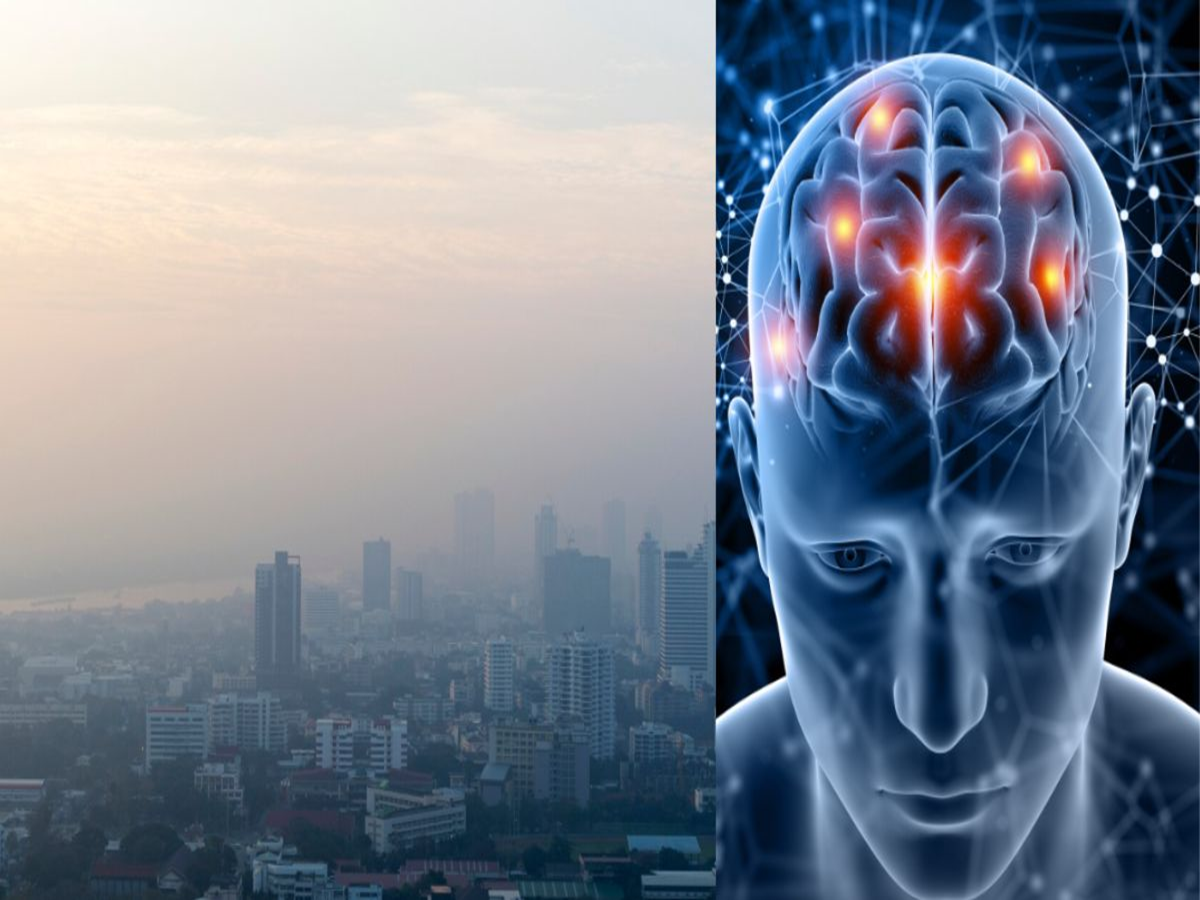
Consequently, children, the elderly, pregnant women, and individuals suffering from asthma or heart disease need to exercise extra caution. Let’s explore which five organs in the body can be harmed by toxic air when the AQI crosses 400, what the symptoms are, and what measures can be taken to protect oneself from pollution.
First, let’s understand why the PM2.5 and PM10 particles present in polluted air are dangerous.
PM2.5 and PM10 are tiny pollutant particles found in the air. PM2.5 particles are so small that they can travel deep into the lungs through inhalation. Some of these microscopic particles can even enter the bloodstream and affect other organs in the body.
Toxic air can damage these 5 organs in the body:
1. Lungs
Pollution has the most direct impact on the lungs. Particles like PM2.5 and PM10 can reach the lungs through inhalation, causing inflammation and irritation.
Potential issues:
Persistent coughing and shortness of breath.
Exacerbation of asthma and bronchitis.
Impaired lung function.
Increased long-term risk of lung cancer.
2. Heart
Fine particles present in polluted air can affect the bloodstream and blood vessels. This can lead to inflammation in the body and place additional strain on the heart. Potential issues:
Increased risk of heart attack.
Impact on blood pressure.
Increased risk of heart disease.
Exacerbation of existing heart conditions.
3. Brain
The impact of air pollution is not limited to the respiratory process. Research has established a link between long-term exposure to pollution and neurological issues.
Potential effects:
Headaches and dizziness.
Impairment of memory and cognitive function.
Increased risk of stroke.
A potential link to dementia in the long term.
4. Eyes
Dust and other particles present in polluted air can come into contact with the surface of the eyes, causing irritation.
Symptoms include:
Redness of the eyes.
Itching and burning sensations.
Watery eyes.
Dryness and a gritty feeling.
Avoid rubbing your eyes repeatedly, and consult an eye specialist if the discomfort persists or worsens.
5. Skin
Pollution particles and certain gaseous pollutants can come into contact with the skin, leading to oxidative stress and irritation-related problems.
Potential issues:
Itching and irritation of the skin.
Redness and dryness.
Increased discomfort for those with sensitive skin.
Acceleration of the skin's premature aging process.
Who is most at risk from pollution?
Pollution does not affect everyone in the same way. Certain individuals need to exercise extra caution when the Air Quality Index (AQI) rises.
Children: Their lungs are still developing, and pollution can negatively impact their respiratory health.
The elderly: The risk is higher due to advancing age and the potential presence of pre-existing medical conditions.
Asthma patients: Pollution can lead to increased shortness of breath and trigger asthma attacks.
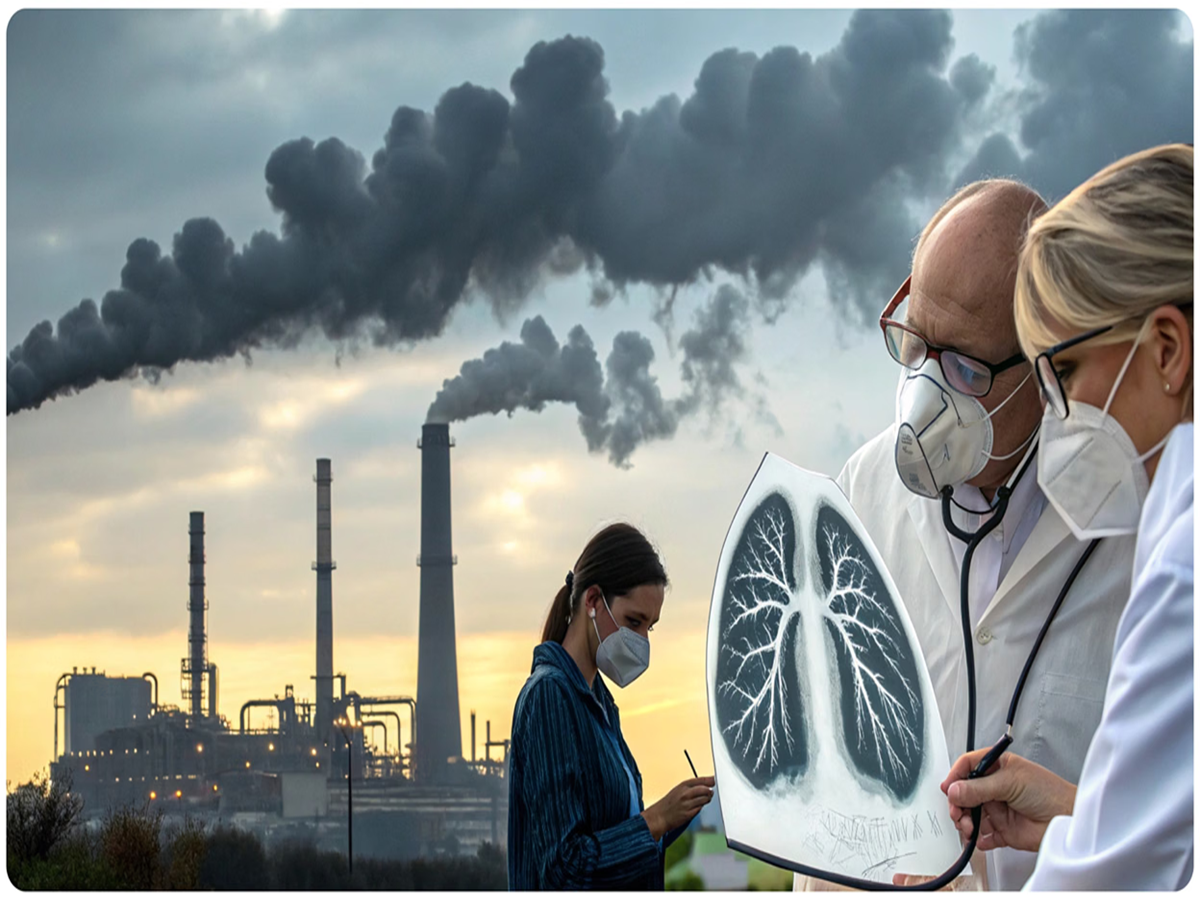
Heart patients: There is an elevated risk of heart-related complications due to pollution. Pregnant women: Long-term exposure to pollution can have an adverse effect on pregnancy and the health of the child.
People who work outdoors: Traffic police, delivery personnel, construction workers, and those who work along roadsides are exposed to polluted air for extended periods.
PC Social Media