
LIFESTYLE
Alert: Why do doctors consider facial asymmetry accompanied by slurred speech a serious matter? Negligence could be fatal..
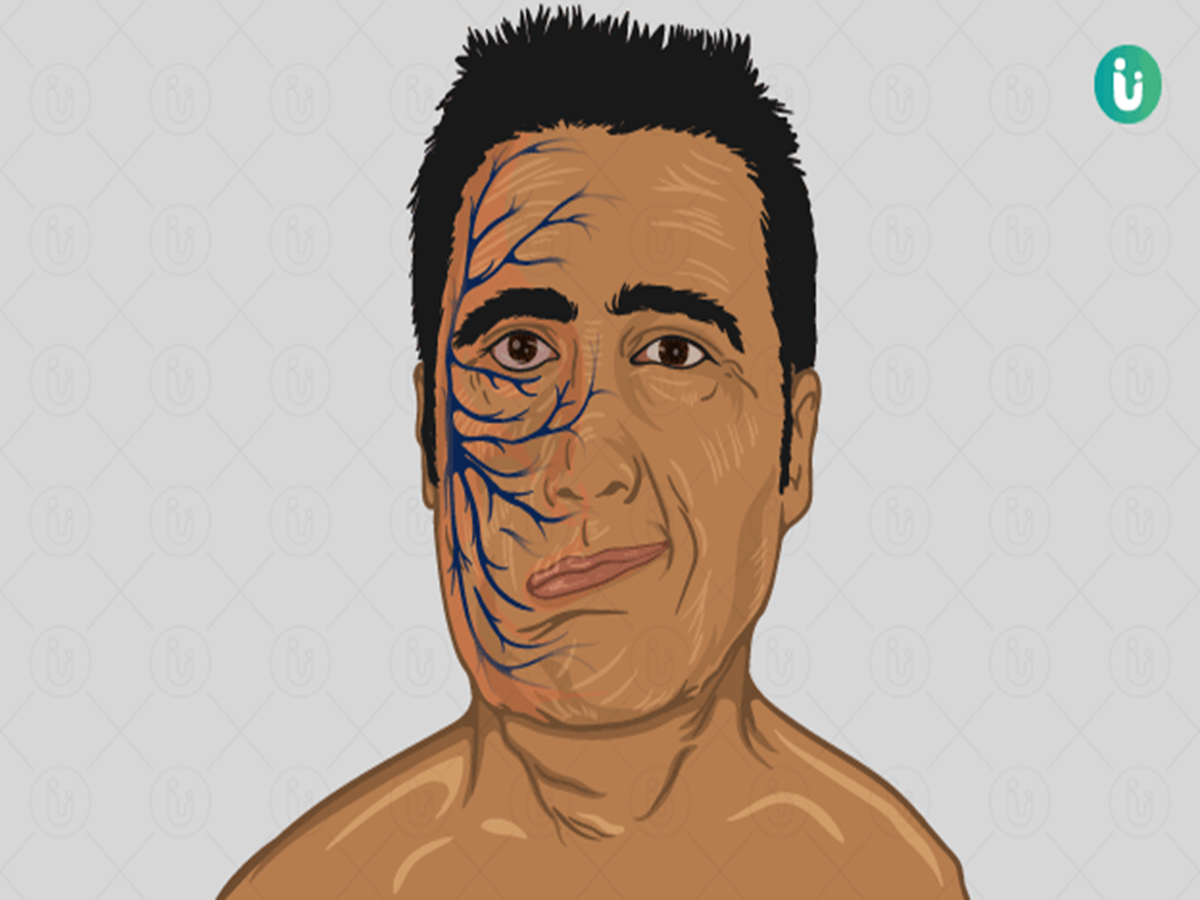
Heart attacks and brain strokes are among the leading causes of death worldwide. According to the World Health Organization (WHO), stroke is the second leading cause of death globally. Furthermore, even for those who survive a stroke, many are left with paralysis, which can lead to long-term disability. Every year, more than 7 million people worldwide die due to strokes, and approximately 12 million people suffer a stroke annually. This underscores the critical importance of remaining vigilant about the risks of stroke.
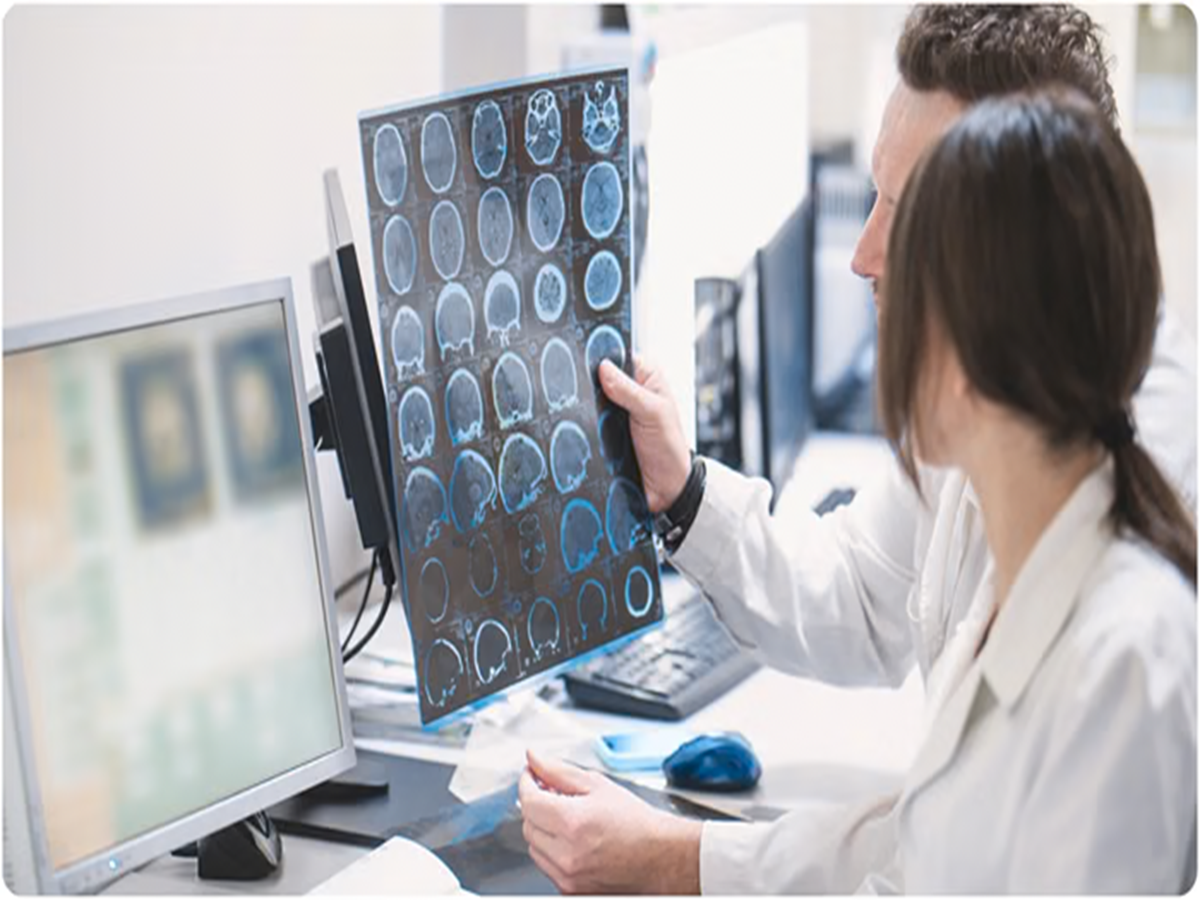
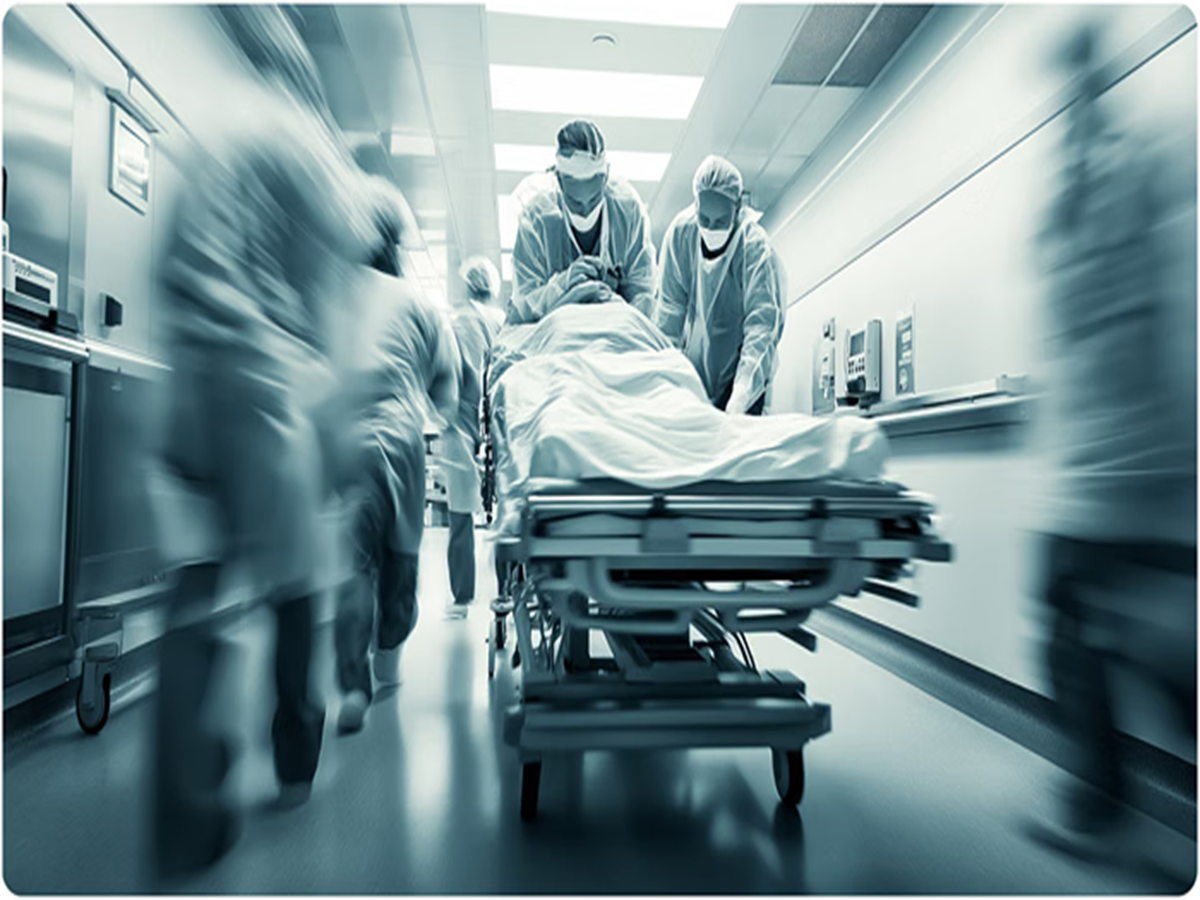
Health experts emphasize that a stroke is a serious medical emergency; even a slight delay in receiving treatment can be fatal. A concerning issue is that people often fail to recognize the initial symptoms of a stroke, which can lead to delays in seeking medical care.
Why do health experts consider every single minute to be precious in cases of stroke?
Timely treatment for a stroke can not only save a patient's life but also reduce the risk of permanent disability. Key symptoms include the drooping of one side of the face, sudden weakness in the arms or legs, and difficulty speaking. If such signs appear, one should immediately go to a hospital rather than attempting home remedies or waiting for the symptoms to resolve on their own.
What do the experts say?
According to Dr. Shailesh B. Gaikwad, Head of the Neuroscience Centre at AIIMS, a stroke is a serious medical emergency. It occurs when the blood supply to a part of the brain is interrupted, or when a blood vessel ruptures, causing bleeding. There are two main types:
In an ischemic stroke, a blood clot blocks a blood vessel in the brain.
In a hemorrhagic stroke, a blood vessel ruptures, causing bleeding within the brain. The treatment for each type differs. High blood pressure, diabetes, elevated cholesterol, heart disease, smoking, obesity, and physical inactivity increase the risk of a stroke.
Treatment in the initial hours can save lives.
In a hospital, the type of stroke is determined using a CT scan or an MRI. For select patients with an ischemic stroke, clot-dissolving medication can be administered within four and a half hours of the onset of symptoms. In cases where a clot is present in a large blood vessel, it may be removed via a catheter through a procedure called mechanical thrombectomy; for certain patients, this procedure can be beneficial even up to 24 hours after the onset.
In the case of a hemorrhagic (bleeding) stroke, the focus is on controlling blood pressure, with surgery performed if necessary.
Changes in speech are a warning sign.
Recognizing a stroke requires an understanding of its symptoms.
Often, signs such as one side of the face drooping, sudden weakness in the limbs, slurred speech, or a loss of balance may occur; however, people frequently dismiss these as mere fatigue, general weakness, or the effects of aging. Such negligence can prove dangerous.
A stroke occurs when the blood supply to a part of the brain is interrupted or when a blood vessel in the brain ruptures. In such situations, every minute counts. Timely identification and accurate diagnosis are crucial for saving a patient's life.
PC Social Media