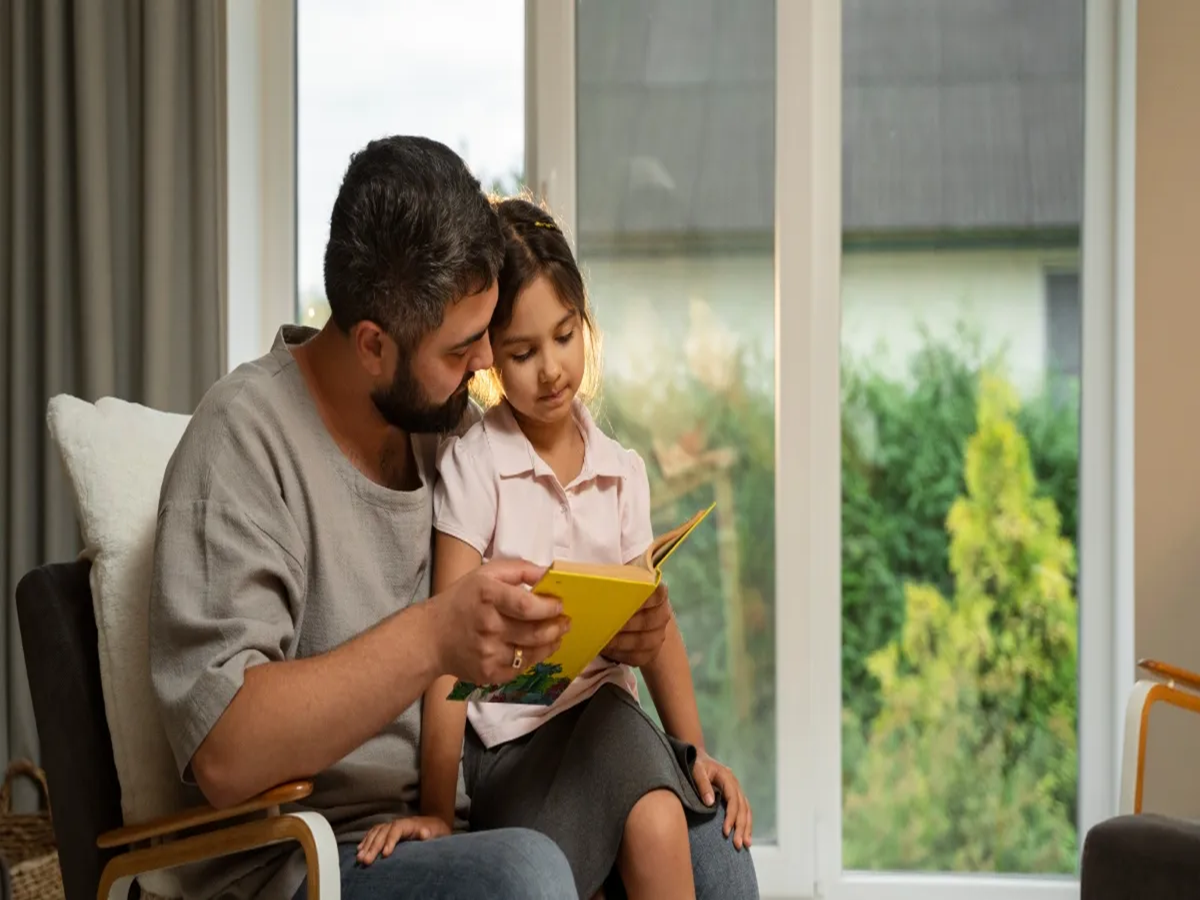
Parenting
AI can do it all, but it cannot replicate these 5 qualities! Instill these habits in children today to ensure a bright future..
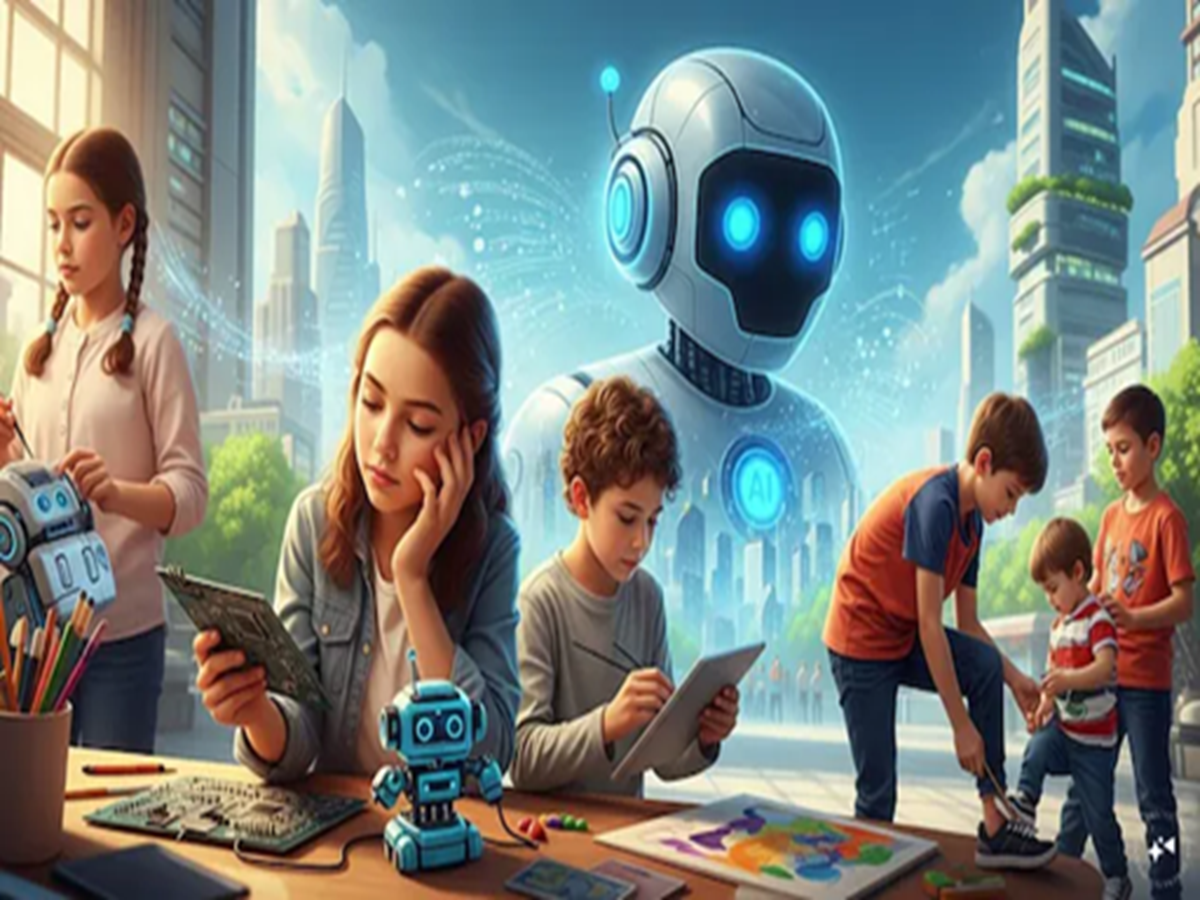
AI Life Skills: Raising children today has become far more challenging than in the past. Mobile phones, the internet, and Artificial Intelligence (AI) have permeated almost every aspect of life. From schoolwork to daily chores, the impact of technology is clearly visible. Consequently, many parents wonder: as AI becomes increasingly intelligent, what skills should children be taught so that they remain their greatest assets in the future?
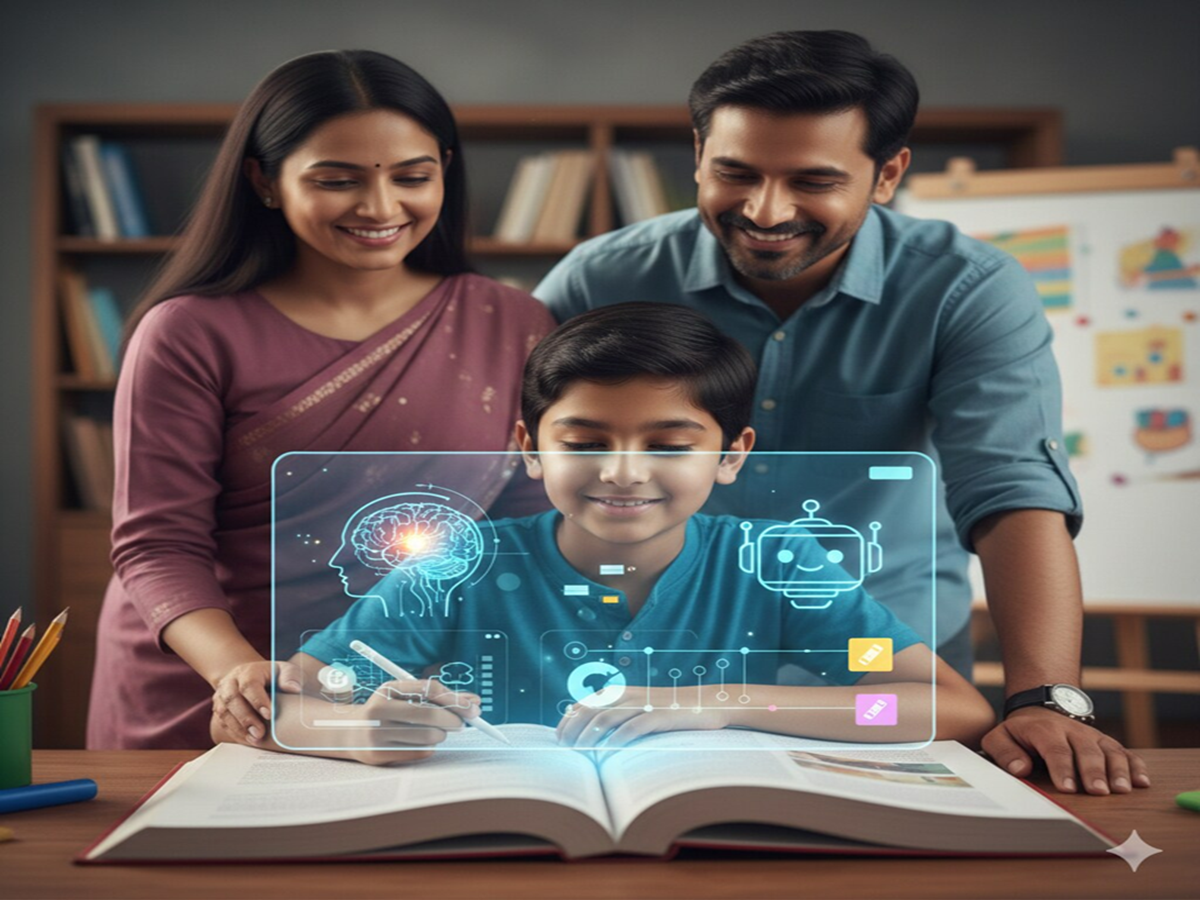
Although AI is evolving rapidly, there are certain human qualities that no machine can fully replicate. Skills such as understanding emotions, adapting to new situations, thinking creatively, and making independent decisions are likely to become even more crucial in the coming years. Experts believe that children who cultivate these qualities from an early age will be better equipped to thrive in a changing world. Let us explore five key life skills that every parent should strive to foster in their children.
1. Emotional Understanding Will Be a Major Asset
It offers benefits in both relationships and life. While AI can provide information and answer questions, it cannot feel human emotions. This is why emotional intelligence is considered one of the most essential skills for the future. Children who learn to understand and manage their emotions are better able to cope with stress, failure, and social challenges. Parents should engage in open conversations with their children, listen to their feelings, and encourage them to understand others' perspectives. This fosters empathy and the ability to build strong relationships.
2. Creativity Will Set Them Apart
Imagination is what makes humans unique. While AI can generate content, create images, and compose music, true creativity stems from human experiences, emotions, and imagination. A child's creative potential develops when they draw, write stories, or devise unique solutions to problems. Parents should encourage their children not just for the outcome, but also for their thought process and effort. This very habit will inspire them to explore new possibilities in the future.
3. There is no substitute for self-reliance
Small responsibilities build a strong personality. No matter how advanced technology becomes, there are many life responsibilities that individuals must handle themselves. Self-reliance instills self-confidence, patience, and problem-solving skills in children; if parents do everything for them, they will not learn to face challenges. Therefore, it is essential to assign them small responsibilities appropriate for their age. Experiences such as organizing their school bags, managing their time, or helping with household chores make children responsible and self-reliant.
4. Learn to adapt to changing circumstances
Adaptability prepares them for the future. The world is changing so rapidly that the future will see jobs we cannot even imagine today. In this context, adaptability becomes crucial for children. Resilience develops when children learn new things, make mistakes, and move forward by learning from them. Parents can encourage them to engage in new activities. Whether it is a new sport, learning a language, or facing a challenge, every experience strengthens them.
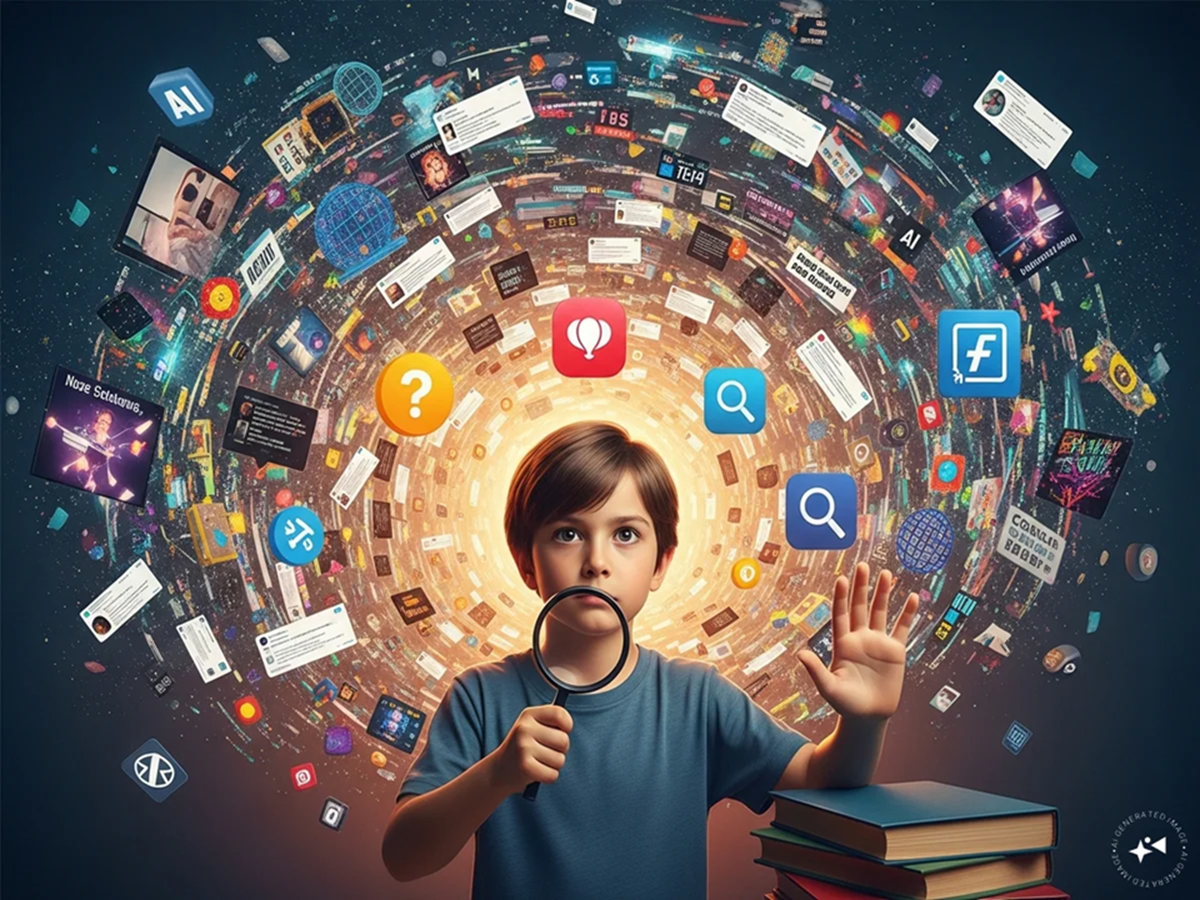
5. Teaching critical thinking is essential
Do not accept information blindly. Today, there is no shortage of information on the internet. AI can provide answers in seconds, yet distinguishing between right and wrong remains a human responsibility. It is vital to teach children not to accept information without thought. They should ask questions, verify facts, and draw their own conclusions. For instance, if a news story goes viral on social media, a child should understand how to verify its authenticity. This mindset will help them make wise decisions in the future.
PC Social Media