
LIFESTYLE
30-Day Salad Diet: What effect will eating only salad for lunch for a month have on the body?
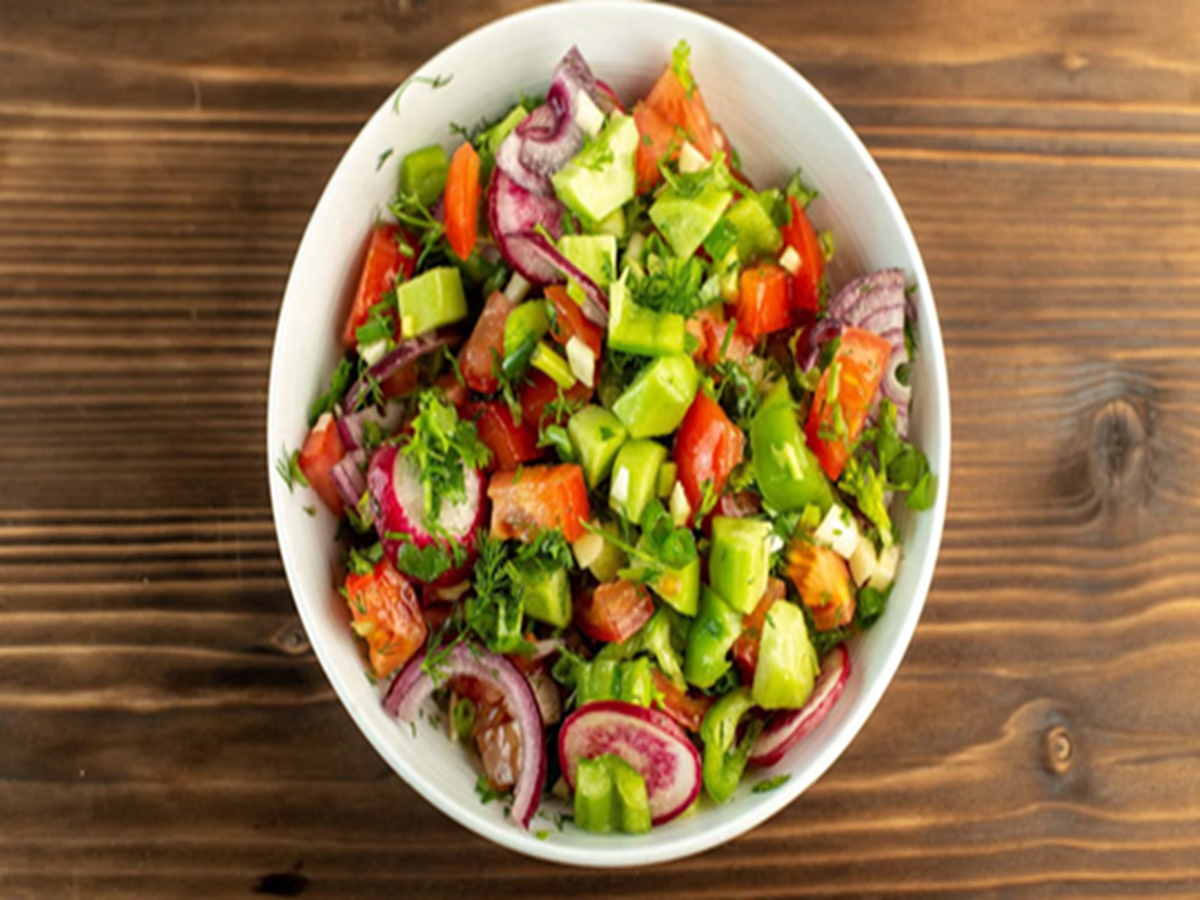
30-Day Salad Diet: Nowadays, many people are altering their diets for fitness and weight loss. The trend of eating only salad for lunch has gained significant popularity, especially among celebrities and fitness enthusiasts.

The concept of a "30-Day Salad Diet"—eating only salad for lunch for a month—may sound healthy, but is it always beneficial for the body? Salads are rich in fiber, vitamins, minerals, and antioxidants, all of which are good for health. However, consuming only salad for an extended period could potentially lead to various health issues.
Therefore, before adopting any diet, it is crucial to understand your body's nutritional needs. Let’s explore the potential impact on the body of eating only salad for lunch over the course of a month.
What happens if you eat only salad for lunch for a month?
1. Weight loss may occur
Replacing high-calorie lunch meals with salad can reduce your overall calorie intake, which may help with weight loss. People whose previous diets relied heavily on fried or processed foods might notice these results more quickly.
However, weight loss depends not just on eating salad, but on your total daily calorie intake and physical activity levels.
2. Increased fiber intake
Vegetables commonly found in salads—such as cucumbers, carrots, tomatoes, leafy greens, and beetroots—are rich in fiber. Fiber aids digestion and can help alleviate issues like constipation.
High fiber intake keeps you feeling full for longer, which can reduce the urge to snack frequently.
3. Risk of protein deficiency
Eating a salad consisting solely of vegetables may not provide the body with sufficient protein. Protein is essential for maintaining muscle strength, balancing hormones, and the body's repair processes. If your salad lacks protein-rich ingredients like paneer, sprouts, chickpeas, lentils, eggs, or tofu, you may experience prolonged weakness.
4. You may feel a lack of energy
Carbohydrates provide the body with immediate energy. Relying solely on salads can leave many people feeling fatigued, weak, or unable to concentrate during the day.
A balanced diet is essential, especially for those who engage in strenuous physical activity, athletes, or people who exercise regularly.
5. It can affect your skin and hair
If the body does not receive adequate protein, iron, omega-3, and other nutrients, the impact may become visible on your skin and hair.
Issues such as hair loss, dry skin, and general weakness can be linked to nutritional deficiencies.

How to maintain a healthy salad diet?
Include protein in your salad, not just vegetables.
Add ingredients like chickpeas, sprouts, paneer, tofu, eggs, or lentils.
You can include small amounts of healthy fats, such as seeds, nuts, or olive oil.
Consume carbohydrates according to your body's needs.
Use a variety of vegetables each day.
PC Social Media