LIFESTYLE
3 Claps: Why do we clap three times in front of a Shivalinga? Learn the mysterious reason behind it..
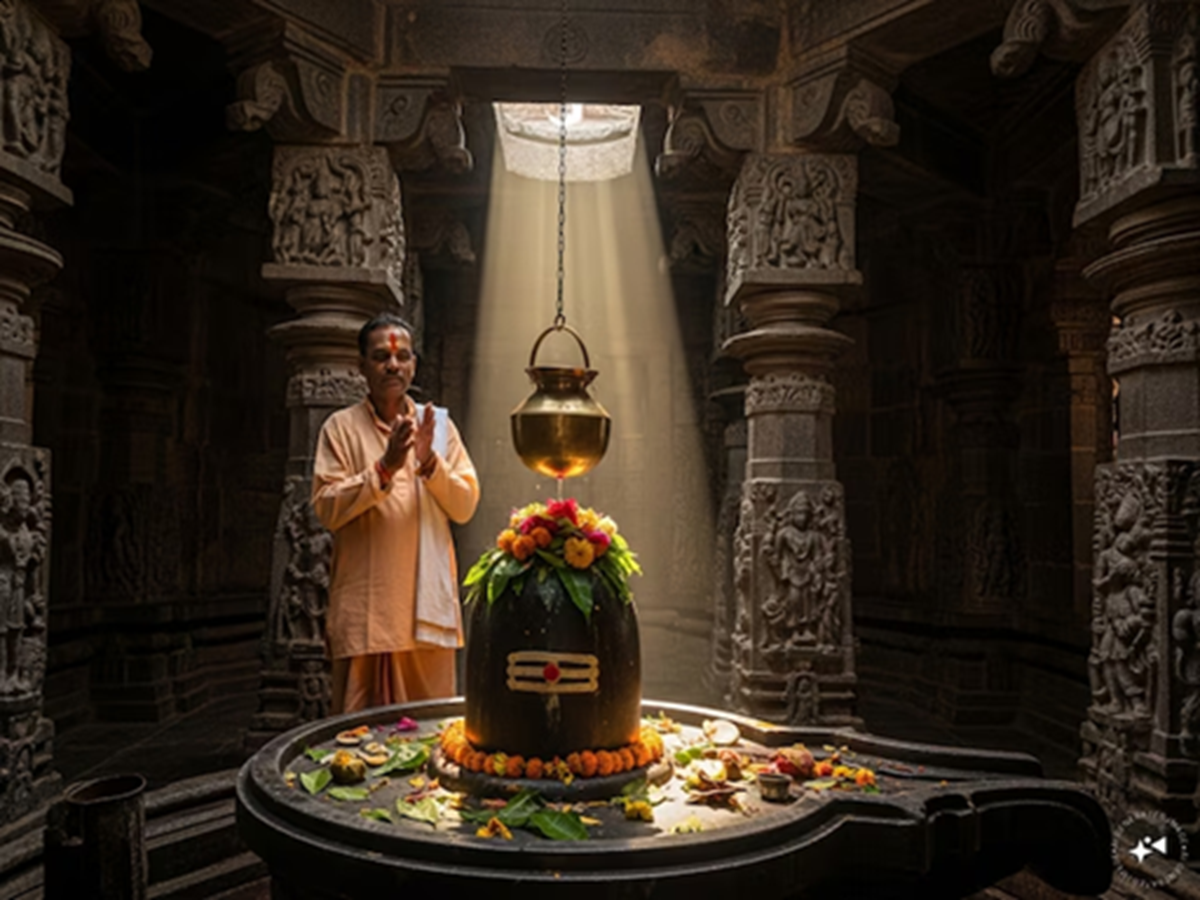
3 Claps In Shiv Temple: Have you ever noticed that after the Aarti or Abhisheka in a Shiva temple, people clap three times? Is this just a tradition, or is there something deeper behind it? We often go to the temple, pray, offer water, and return, but sometimes there are some small acts whose meaning we don't fully understand. Clapping three times is one of them. Interestingly, this tradition is mentioned in scriptures and folk tales. Bhopal-based astrologer and Vastu consultant Pandit Hitendra Kumar Sharma shares more information on this subject.
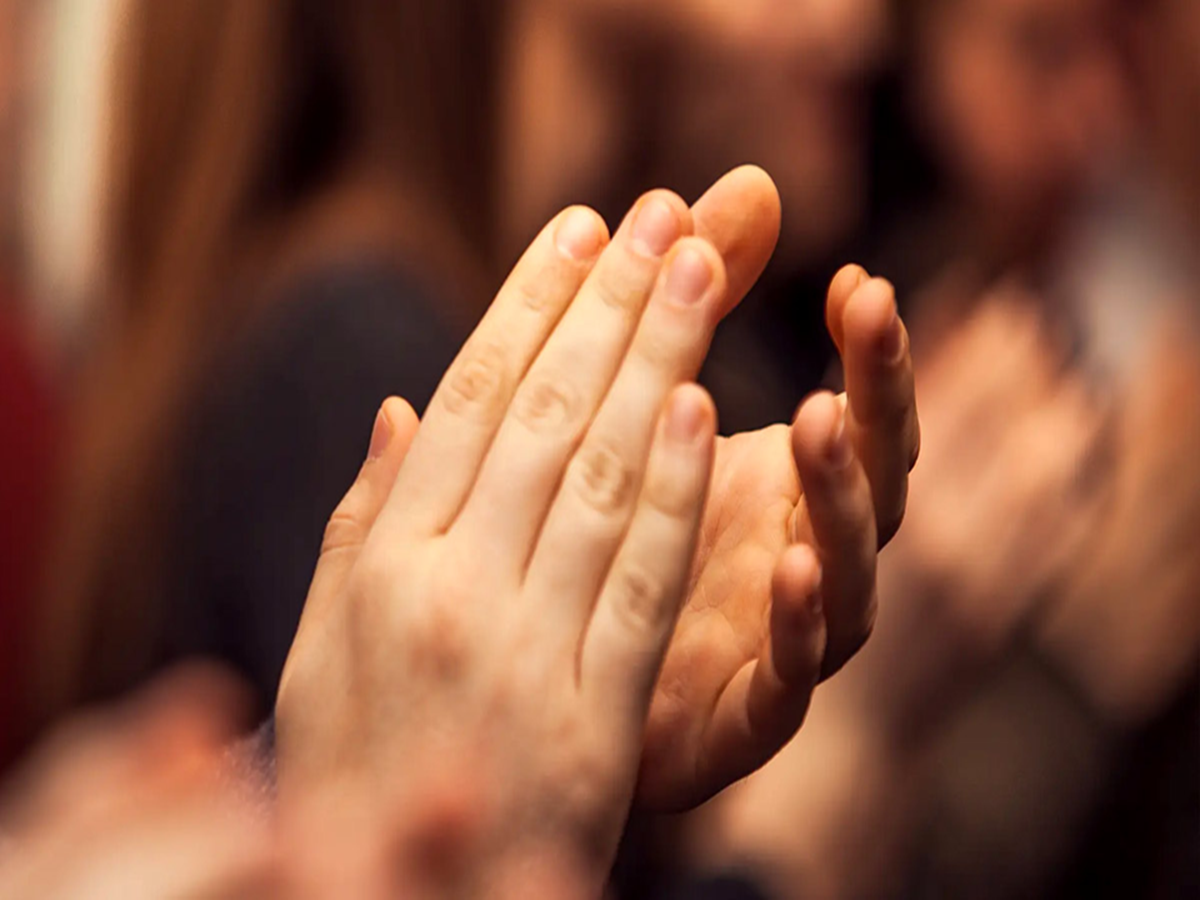
Tradition of Faith: Meaning of the First, Second, and Third Claps
According to Hindu belief, when a devotee enters Lord Shiva's temple, they are no longer just a spectator but surrender themselves to his protection. It is said that the three claps represent three different emotions.
First Clap: "I have come to your protection."
The first clap is considered a symbol of making one's presence felt. Just as we mark our presence upon arriving at a temple, this signifies, "Oh Mahadev, I am before you." It is a form of self-acknowledgment that I am now in your refuge.
The Second Clap: Expressing Your Heart
The second clap is played when a devotee silently expresses their desire, concern, or wish to Lord Shiva. Some seek a job, some seek the happiness of a child, and some seek relief from illness. This clap symbolizes that request.
If you have any personal concerns related to health, relationships, life, religion, or astrology, please contact us.
The Third Clap: Forgiveness and Surrender
The third clap is considered the most special. In this, the devotee surrenders themselves completely to God. If there is any shortcoming in the prayer, if the mantras are not recited correctly, or if the mind wanders, this clap is considered to symbolize the feeling of seeking forgiveness.
Clapping in Mythology
Folklore also says that before conquering Lanka, Lord Rama erected a Shivalinga on the seashore, worshipped it, and clapped three times. Similarly, Ravana is also described as a great devotee of Shiva. Stories mention that he would express his presence, prayers, and devotion by clapping three times during worship. Although these incidents are based on faith, they have a deep impact on society. People see them as inspiration—that if great figures did it, why shouldn't we do the same?
What does science say?
Now the question arises: Is there any scientific basis for clapping? Many health experts believe that clapping exerts gentle pressure on the nerves in the hands, improving blood circulation. In the morning 'laughter clubs' in parks, people clap while laughing. This increases concentration and lightens the mind. The sound of clapping also sends a positive signal. If a performance is good, people applaud by applauding. Even in temples, it becomes a symbol of positive energy. When everyone claps together after the Aarti, a collective energy is generated that adds a unique flavor to the atmosphere.
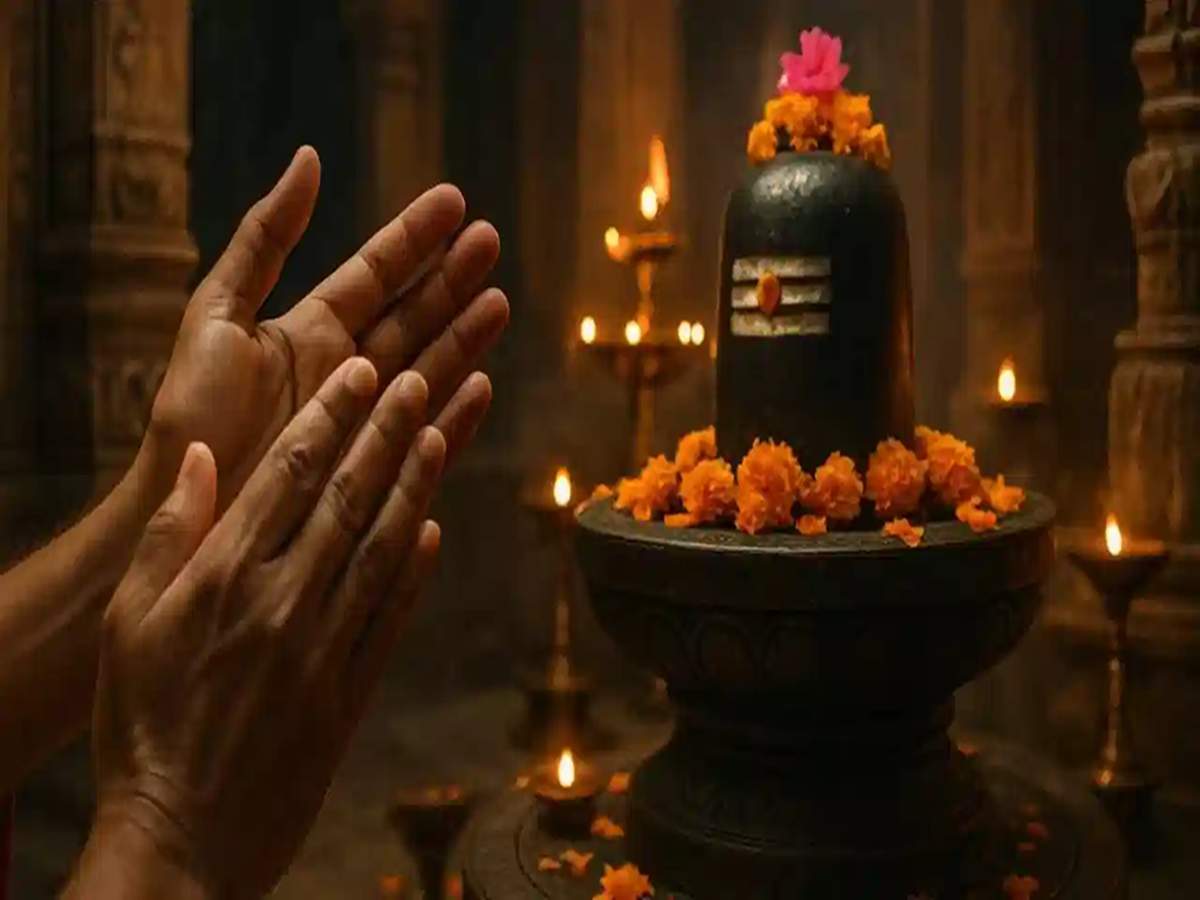
Its Importance in Today's Times
In today's fast-paced lives, people visit temples not only for religious reasons but also for mental peace. In such a situation, clapping three times, even though a small ritual, becomes a way to calm the mind. It reminds us to pause for a moment, gather ourselves, and move forward with a positive mindset. Many devotees report that when they regularly perform this ritual, they feel a unique sense of confidence, as if they have conveyed their message directly to Lord Shiva. This belief is the true power of faith.
Clapping three times is not just a ritual, but a combination of emotion, belief, and positive energy. Whether you view it from a mythological or scientific perspective, its purpose is to focus the mind and surrender to Him. The next time you visit a Shiva temple, remember the meaning of these three claps – perhaps your experience will become deeper than before.
PC Social Media