LIFESTYLE
12 Jyotirlingas in India: Where are the 12 Jyotirlingas of Lord Shiva located, what are their specialities and how to visit them..
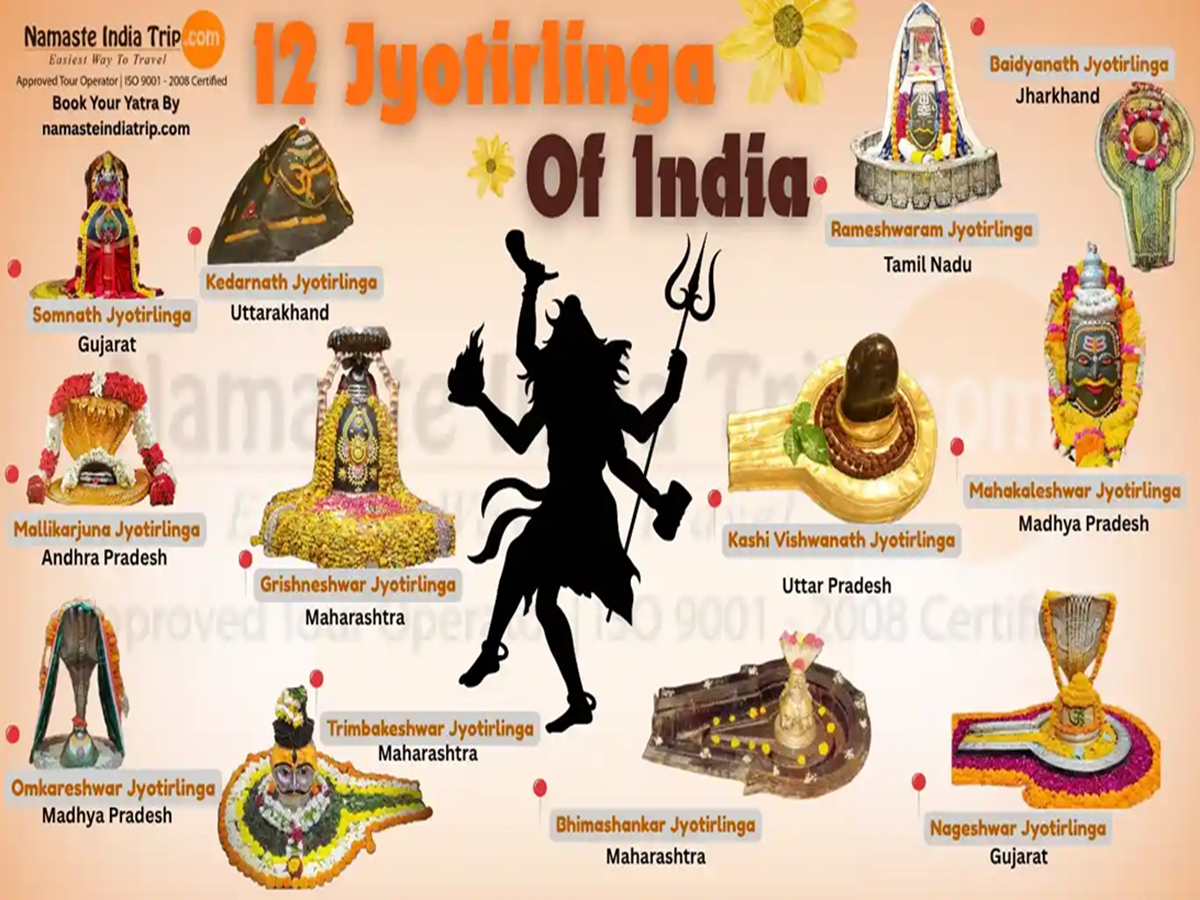
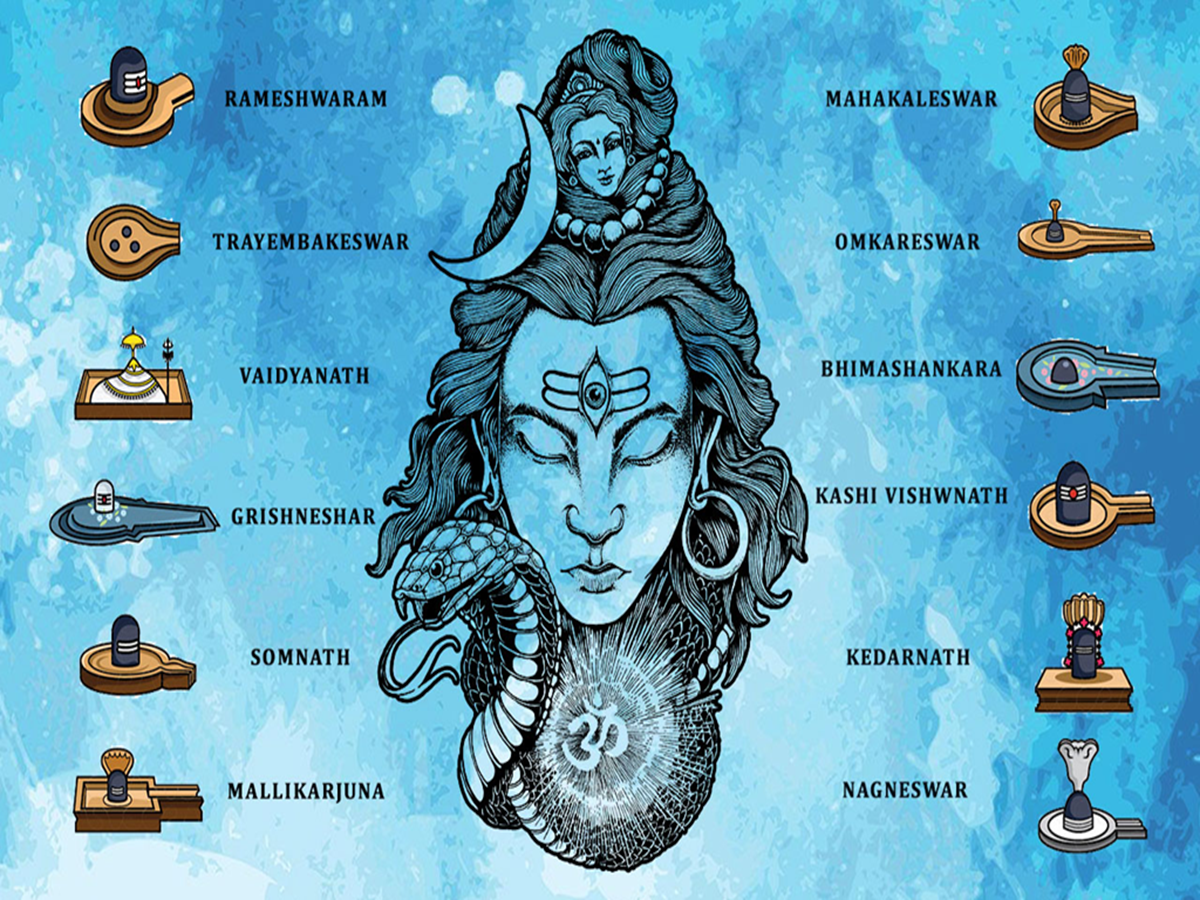
12 Jyotirlingas in India: Visiting the 12 Jyotirlingas is a privilege for every Shiva devotee. Spread across mountains, forests, riverbanks, coastal plains, and ancient cities, the twelve Jyotirlingas of Lord Shiva are among the most sacred pilgrimage sites in India. A Jyotirlinga pilgrimage is more than just a religious journey. It is a journey through India's geography, mythology, and vibrant traditions, from the snow-capped peaks of the Himalayas to the southern shores of the Indian Ocean, from crowded ghats resonating with chants to secluded temples hidden in the forests. Each Jyotirlinga is unique in its own way. So let's find out why you should visit.
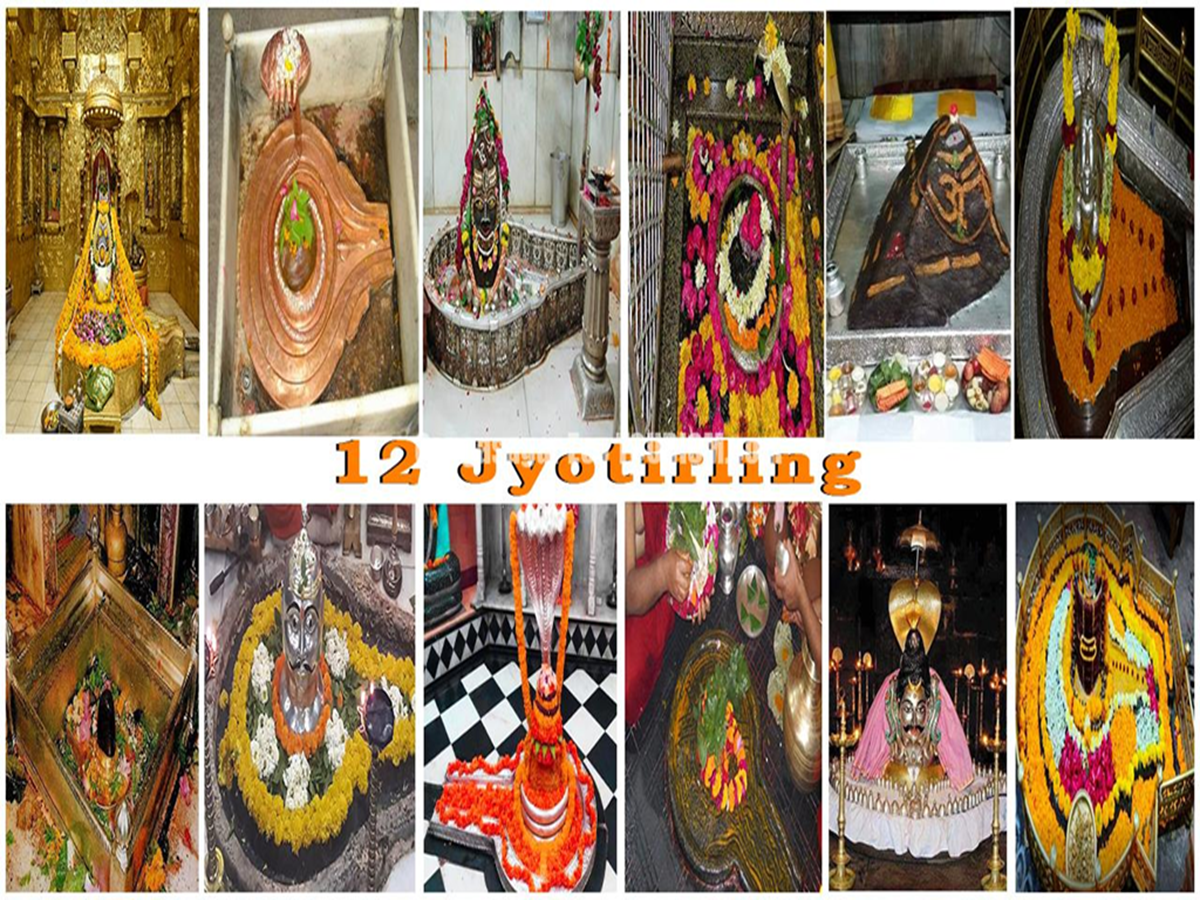
How to visit the 12 Jyotirlingas - (How to visit the 12 Jyotirlingas)
1. Somnath Jyotirlinga, Gujarat - (Somnath Jyotirlinga, Gujarat)
Somnath is considered the first Jyotirlinga. According to legend, Chandra (the moon god) was cursed by his father-in-law, Daksha, that his radiance would be destroyed. Chandra prayed to Lord Shiva to alleviate the curse, and Shiva restored his radiance, making him the lord of the Somnath Moon.
How to Get There: The best time to visit the temple is between October and March, and it is easily accessible by car, train, and air.
2. Mallikarjuna Jyotirlinga, Andhra Pradesh
Mallikarjuna Jyotirlinga, located in Srisailam, Andhra Pradesh, is a significant pilgrimage site where Shiva and Shakti are worshipped together amidst dense forests. It is believed that when Kartikeya left Mount Kailash after a family dispute, Shiva and Parvati followed him to Srisailam. Here, Shiva appeared as Mallikarjuna, while Parvati assumed the form of Bhramaramba, making the place both a Jyotirlinga and a Shakti Peetha.
How to Get There: Srisailam can be visited year-round. The best time to visit the temple is between October and March. You can easily visit Mahakaleshwar Jyotirlinga by train or air, or by booking a taxi.
3. Mahakaleshwar Jyotirlinga, Madhya Pradesh
Located in Ujjain, this is one of the most powerful sites, deeply connected to time and cosmic cycles. The morning Bhasma Aarti (devotional ritual) is considered very special here. According to mythology, a demon named Dushna terrorized Ujjain, after which Shiva appeared as Mahakal and destroyed the evil and protected the devotees.
How to Get There: You can visit Mahakaleshwar Jyotirlinga any time of the year. Taxis, buses, trains, and air travel are available from Delhi.
4. Omkareshwar Jyotirlinga, Madhya Pradesh
This Jyotirlinga, located on Mandhata Island on the banks of the Narmada River, is unique in its own way. One of the most famous legends associated with the Jyotirlinga is that during a war between gods and demons, the gods prayed to Shiva for victory. Shiva appeared in the form of Omkareshwar Jyotirlinga and defeated the demons.
How to Get There: The best time to visit Omkareshwar Jyotirlinga is from October to March. However, you can go any time of the year. You can take a bus, taxi, or train from Indore or Ujjain.
5. Kedarnath Jyotirlinga, Uttarakhand
One of the most famous tourist destinations in the Himalayas, Kedarnath Jyotirlinga, is only open from April/May to November due to heavy snowfall. According to mythology, after the Kurukshetra War, the Pandavas sought forgiveness from Shiva. However, Shiva took the form of a bull and disappeared into the earth. The bull's hump emerged at Kedarnath, where the Jyotirlinga is located.
How to Get There - The best time to visit Kedarnath Jyotirlinga is from April, May, June, and September. The weather is pleasant during this time, and the temple gates are open. From Rishikesh/Haridwar, travel by bus/taxi to Sonprayag/Sitapur, then from Gaurikund, there are options for walking, horseback riding, mule riding, palanquin riding, or helicopter riding.
6. Bhimashankar Jyotirlinga, Maharashtra
This place offers lush green views during the monsoon season. However, be aware that the roads can be a bit slippery. According to legend, after intense penance by sages, Shiva defeated Bhima, the son of the demon Tripurasura, here. It is believed that the Bhima River was formed from Shiva's sweat. The temple is surrounded by forest and has a deep mythological connection to penance and protection.
How to Get There: The best time to visit Bhimashankar Jyotirlinga is between October and February, when the weather is pleasant and cool. Traveling by car or train is the best option.
7. Kashi Vishwanath Jyotirlinga, Uttar Pradesh
The Kashi Vishwanath Temple in Varanasi is very crowded, so it's best to visit early in the morning. Kashi is considered the eternal abode of Lord Shiva. It is also said that those who die here attain salvation.
How to Get There: Varanasi is one of the world's oldest living holy cities. You can visit it any time of the year. Bus, train, and air travel are available from Delhi.
8. Trimbakeshwar Jyotirlinga, Maharashtra
Trimbakeshwar Jyotirlinga is located near Nashik, and the best time to visit is during non-festival days. According to mythology, a sage named Gautama performed penance here to atone for his sins, resulting in the descent of the Godavari River.
How to Get There: You can visit Trimbakeshwar Jyotirlinga any time of the year. However, avoid festivals, as they can be very crowded during these times. You can easily reach it by train or air.
9. Baidyanath Jyotirlinga, Jharkhand
Located near Deoghar, the Baidyanath Jyotirlinga is unique. It is believed that Ravana worshipped Shiva here to attain immortality. However, when Ravana tried to take the lingam to Lanka, it became rooted in Deoghar. Shiva then healed Ravana's wounds, becoming the divine physician (Baidyanath).
How to Get There: You can visit Baidyanath Jyotirlinga at any time of the year. However, it is very crowded during the month of Sawan. Train and air travel are available.
10. Nageshwar Jyotirlinga, Gujarat
Located near Dwarka, Gujarat, Nageshwar Jyotirlinga provides protection from poison, fear, and negative forces. According to mythology, a demon named Daruka captured Shiva's devotee Supriya. Shiva appeared as Nageshwar, destroyed the demon, and protected his devotees.
How to Get There: You can visit this place at any time of the year. Bus, car, and train services are available from Gujarat.
11. Ramanathaswamy Jyotirlinga, Tamil Nadu
Located on Rameshwaram Island, this Jyotirlinga is one of the most revered. According to legend, before crossing over to Lanka, Lord Rama worshipped Shiva here as atonement for killing Ravana (a Brahmin). Rama himself established the Jyotirlinga on the island.
How to reach: The nearest airport is Madurai, and the Rameshwaram railway station is connected to major cities.
12. Grishneshwar Jyotirlinga, Maharashtra
Grishneshwar is the 12th Jyotirlinga and is made of black stone. The Ellora Caves are not far from Grishneshwar Jyotirlinga. According to legend, there was a devout woman named Ghushma who worshipped Shiva daily. When his son was murdered out of jealousy, Shiva resurrected him and appeared as Ghrishneshwar.
How to Get There: Ghrishneshwar Jyotirlinga can be visited at any time, but a special celebration is held on Mahashivratri, which draws large crowds. Train and air travel are available.