Parenting
Your child isn't stubborn—they’re actually very sensible! Identify this in your child through these 7 signs..
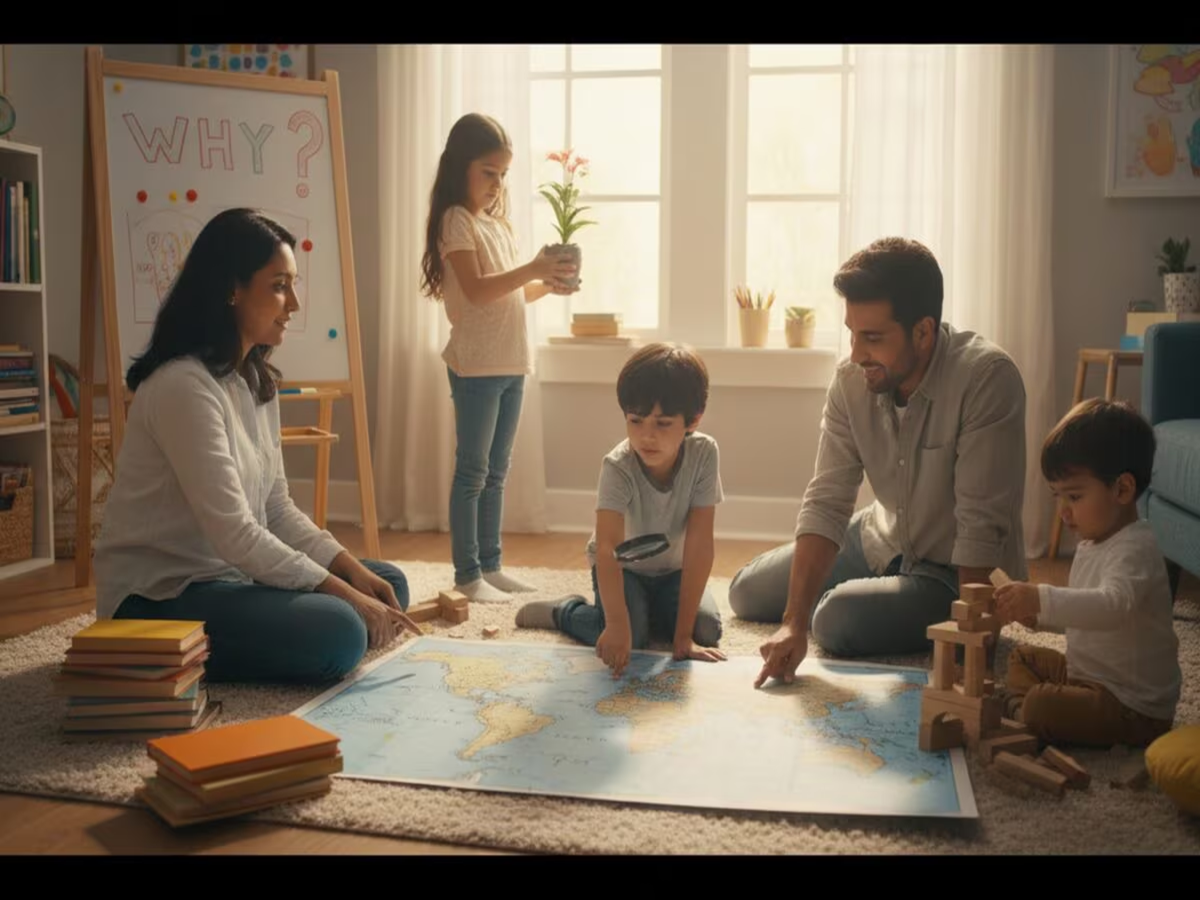
Parents often mistake a child’s tendency to ask questions, present arguments, or insist on having their own way for mere stubbornness. However, what we perceive as stubbornness is frequently a sign of a child’s intelligence, self-confidence, and independent thinking. Such children express themselves openly and strive to understand the world around them. Here are 7 signs that suggest your child is not stubborn, but rather highly intelligent.

1. They ask for the reason behind everything
If your child frequently asks "Why?" and "How?", it is a sign of their curiosity. Intelligent children do not accept things without understanding them; they want to know the reasoning behind everything.
2. They express their opinions openly
These children clearly articulate their likes, dislikes, and thoughts. If your child shares their opinion on various matters, it reflects their ability to think critically and make decisions.
3. They stand up against what they perceive as wrong
When a child opposes something they deem inappropriate, it should not always be dismissed as stubbornness. It may well be that they are beginning to distinguish between right and wrong.
4. They seek solutions to problems
Intelligent children do not just complain; they look for solutions. If your child approaches a problem by thinking of their own way to resolve it, it is evidence of their creative thinking.
5. They do not give up easily
Children often persist in their efforts to complete a task. This is not stubbornness, but rather determination—a trait that will lead them toward success in the future.
6. They show an interest in learning new things
Such children take an interest in new activities, books, games, and experiences. Their enthusiasm for learning sets them apart from others.
7. They attempt to make their own decisions
If a child wants to make choices—such as picking out their own clothes, deciding on games to play, or making decisions about minor matters—it is a sign of their self-confidence and independent personality.

How should you handle this habit in children?
Instead of scolding or silencing thoughtful children, listen to what they have to say. Answer their questions patiently and provide them with opportunities to develop their own thinking. This will further boost their self-confidence.
PC Social Media