
LIFESTYLE
Women's Health: Why do bones begin to weaken after menopause? These simple measures can help prevent serious problems..
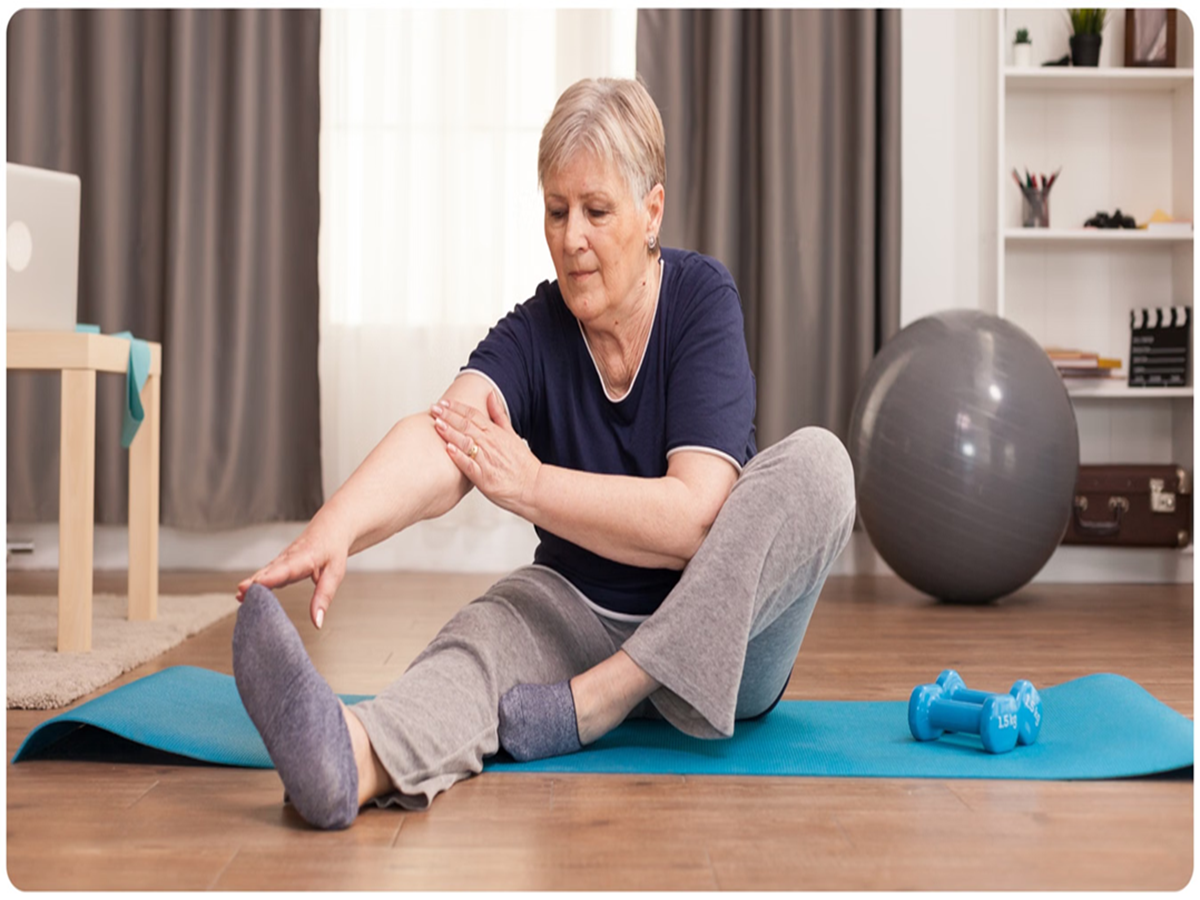
Bones and joints are the parts of our body that enable us to perform almost every daily activity with ease. From walking and climbing stairs to sitting and standing, our joints and bones are constantly at work. However, when pain, swelling, or stiffness sets in, even simple tasks can become difficult. Arthritis is one such condition that affects the joints.
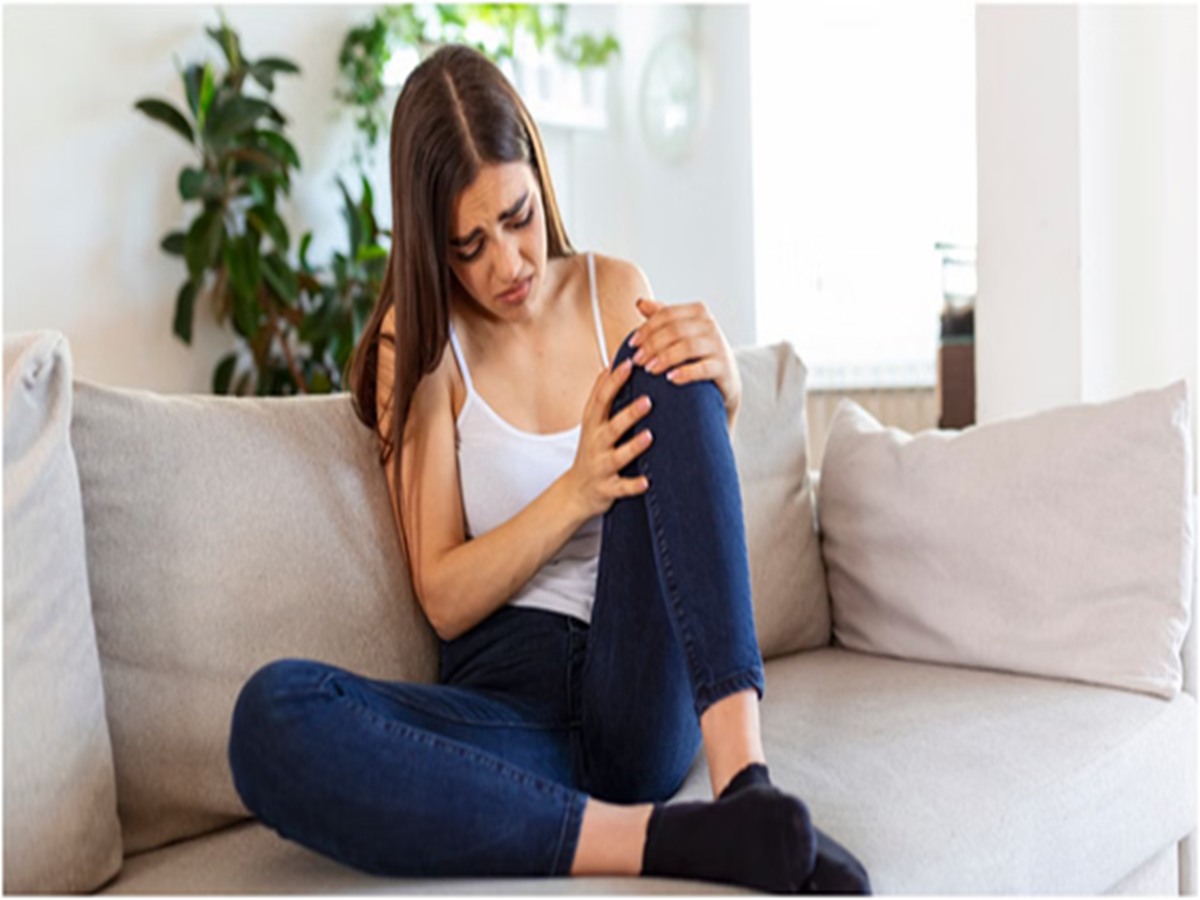
Arthritis is often associated with aging, but it is not a disease that affects only the elderly. Various forms of the condition are seen in people of all ages—from children and young adults to men and women. However, the risk does increase with age. Women, in particular, need to be extra cautious about their bone and joint health after the age of 50.
A major reason for this can be the hormonal changes that occur around menopause. During this time, levels of the hormone estrogen begin to decline, which can impact bone health.
Why might the risk of arthritis be higher in women?
Women's bodies undergo various hormonal changes at different stages of life. Weight gain and physical changes during pregnancy can place extra pressure on the joints in the knees, lower back, and legs. However, not every woman will necessarily develop arthritis as a result.
The situation can differ after menopause, as estrogen levels begin to drop.
Since estrogen plays a role in maintaining bone strength, its decline can affect bone health. Many women also experience weight gain and reduced physical activity during this stage of life.
Additionally, a diet lacking essential nutrients like calcium, vitamin D, and protein can impact bone and muscle health. Therefore, women should start taking care of their bones and joints from an early age.
What can be done to prevent arthritis? While it is not possible to completely prevent arthritis, adopting a healthy lifestyle can help maintain good joint and bone health.
Calcium is an essential nutrient for bone strength. Sources of calcium include milk, yogurt, cheese, sesame seeds, and certain green vegetables. Vitamin D helps the body utilize calcium effectively.
If you feel your diet is not providing adequate nutrition, consult a doctor or dietitian rather than starting supplements on your own.
Constantly resting is not the right approach for joint health. Prolonged sitting can reduce physical activity and weaken muscles.
You can engage in activities like walking, cycling, swimming, light stretching, or yoga, depending on your physical capacity. If you already suffer from joint pain or a medical condition, it is advisable to consult a specialist before starting an exercise routine.
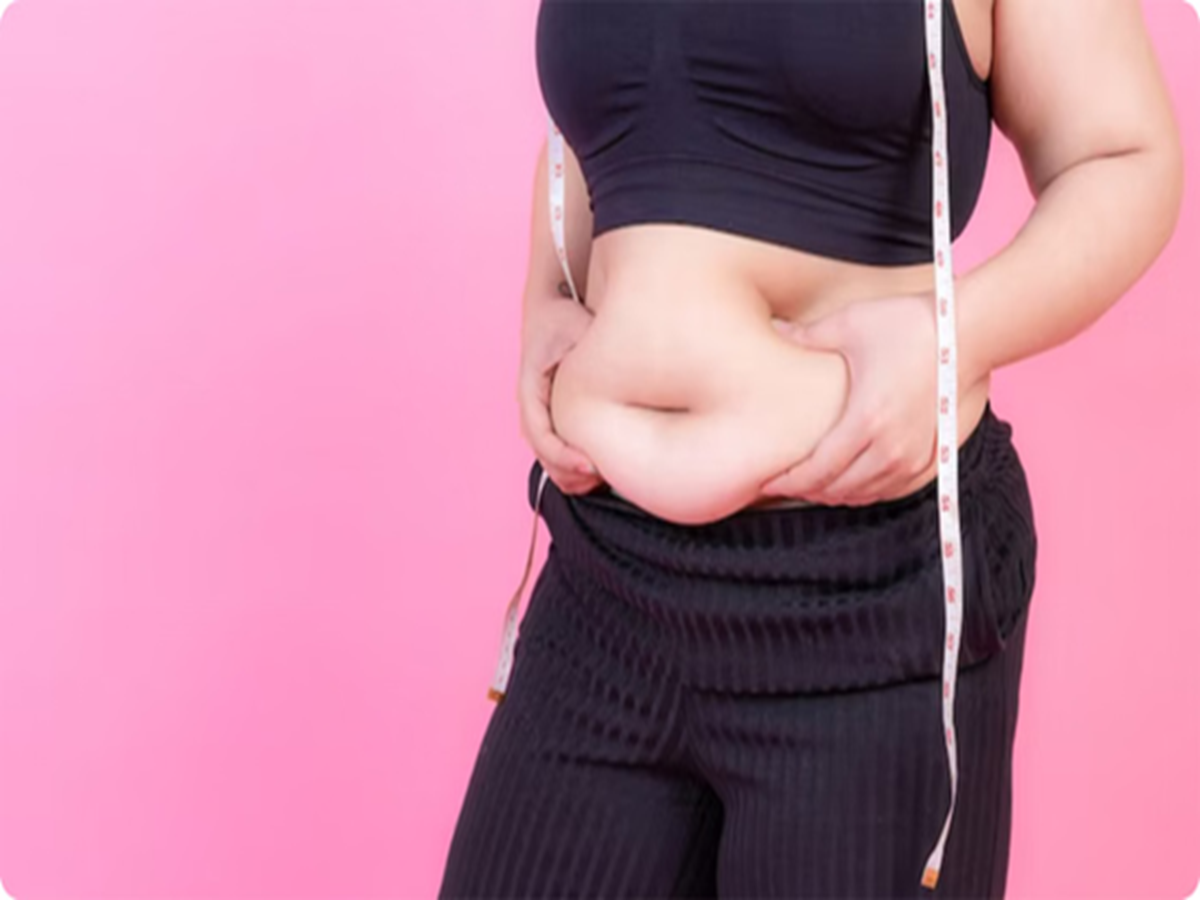
Excess weight can particularly impact the knees and joints in the legs. Increased body weight can place greater strain on the joints during daily movements.
Pay special attention to bone health after menopause.
Women may need to be more vigilant about bone health after menopause. Timely medical check-ups are essential if there is a family history of bone-related disorders, a history of frequent fractures, or if one is significantly overweight. Certain measures can help protect you from serious future complications.
PC Social Media