LIFESTYLE
The significance of Shraddha-Tarpan and Pind Daan—what is the difference between the three? Easily understand it from an Acharya..
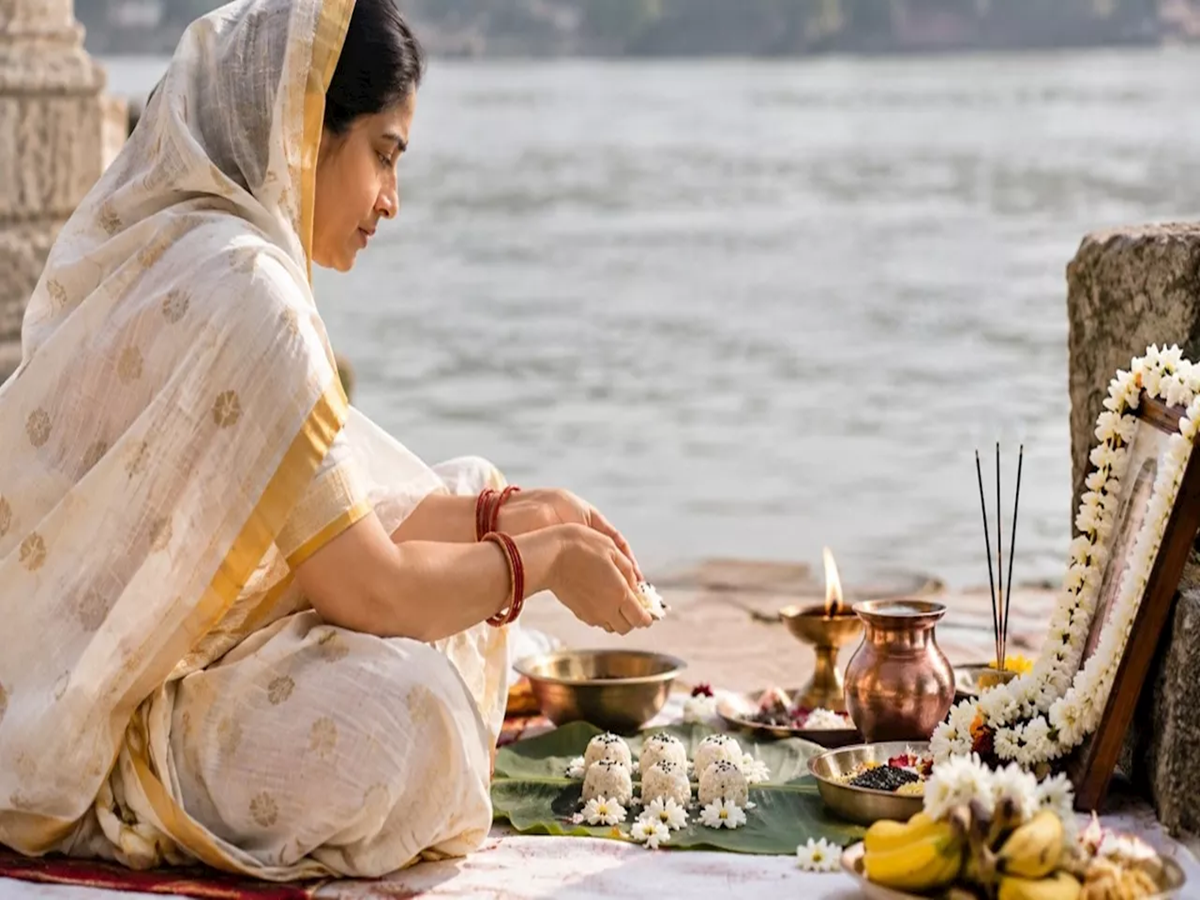
Scriptures prescribe rituals such as *Shraddha*, *Tarpan*, and *Pind Daan* to express reverence for ancestors and ensure the satisfaction of their souls. During *Pitra Paksha*, people perform various religious rites for their ancestors, yet many are unaware of the differences between *Shraddha*, *Tarpan*, and *Pind Daan*, or the significance and procedures associated with each. They often wonder whether these three rituals can be performed together or if they must be done separately on specific dates or occasions. Pandit Jagdish Thakkar, a scholar from Khargone, has explained the scriptural beliefs and traditions surrounding these three rituals in simple terms.
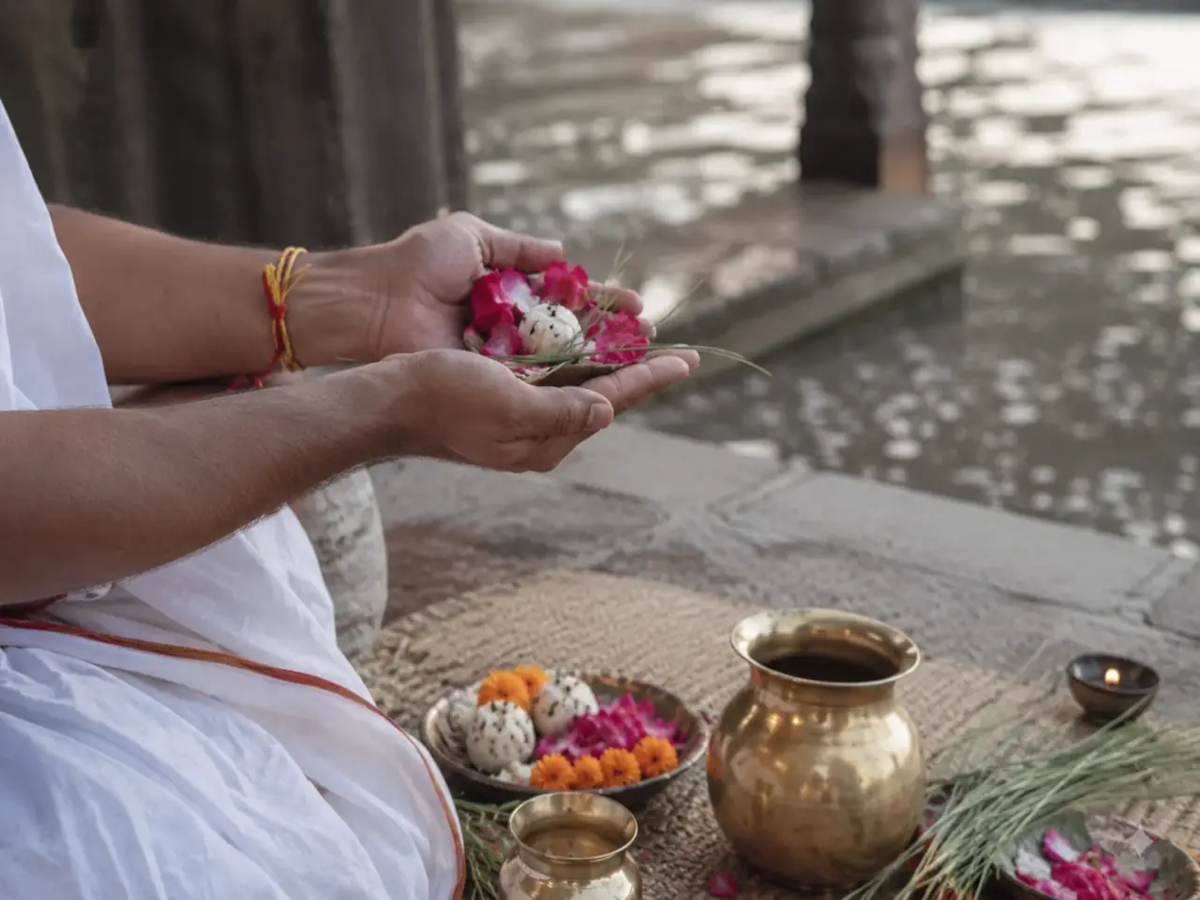
Pandit Jagdish Thakkar explained that *Shraddha* refers to a religious act performed with reverence for one's ancestors; essentially, any ritual carried out with devotion for the sake of ancestors is termed *Shraddha*. *Tarpan* involves offering water while remembering the ancestors, whereas *Pind Daan* involves making and offering *Pinds* (balls of cooked rice or flour) for them; thus, the three are not entirely distinct from one another. *Tarpan* and *Pind Daan* are considered integral parts of the *Shraddha* ritual. To put it simply, *Shraddha* is the overarching term, while *Tarpan* is one of its methods, and *Pind Daan* is another form of the *Shraddha* ritual. However, performing *Pind Daan* is not mandatory in every instance of *Shraddha*; the specific procedure depends on an individual's circumstances and the religious rites previously performed.
When should *Shraddha* be performed?
Pandit Thakkar noted that scriptures prescribe 99 *Shraddha* rituals over a span of 99 years. However, due to a lack of time or other reasons, individuals are often unable to perform all of them. In such cases, two occasions during the year are considered particularly significant: the ancestor's death anniversary and *Mahalaya* (or *Pitra Paksha*). *Shraddha* is performed on the ancestor's death anniversary, and it is also observed for ancestors during *Pitra Paksha*.
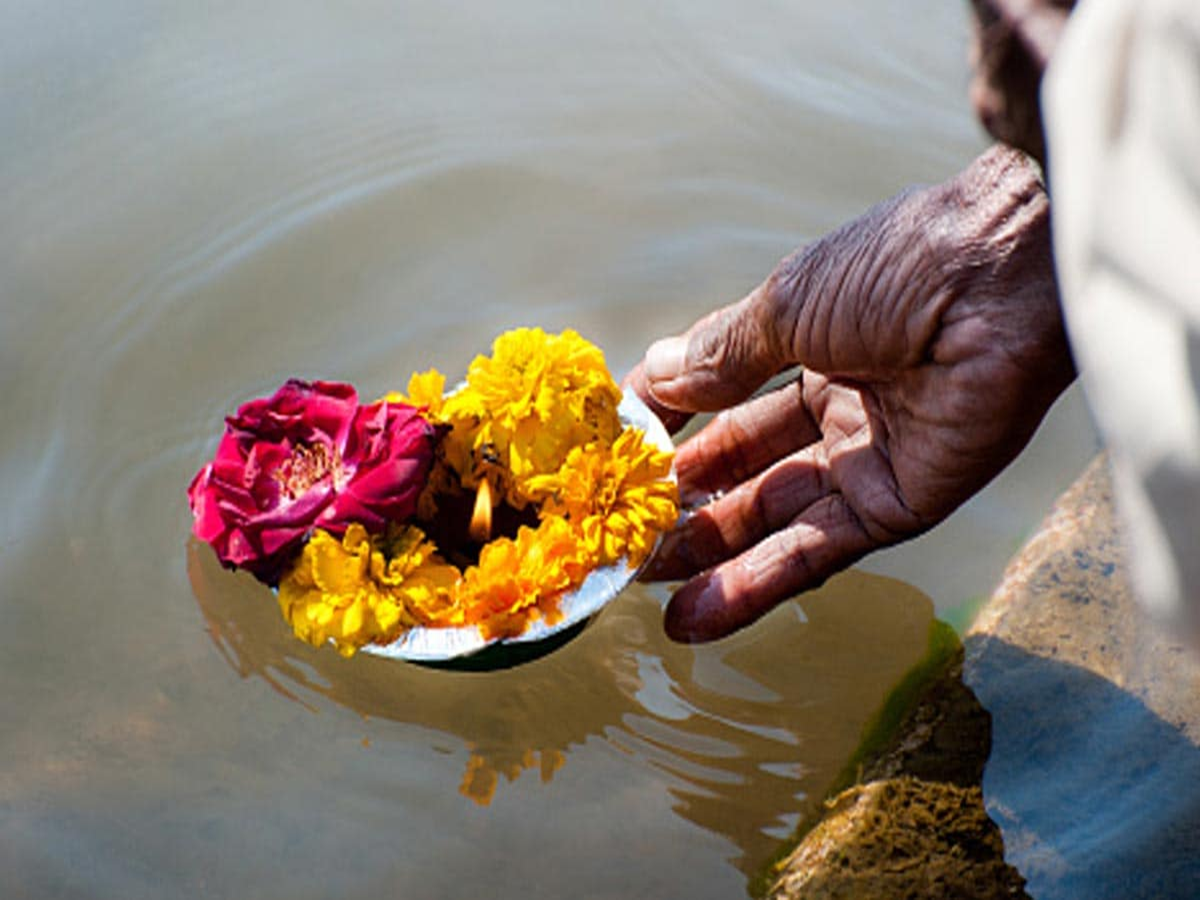
When and how should *Tarpan* be performed? According to Pandit Thakkar, the scriptures prescribe the ritual of *Tarpan* for Brahmins, Kshatriyas, and Vaishyas. In *Tarpan*, water is offered to the ancestors (*Pitris*). The ritual involves remembering the ancestors and making a solemn vow (*Sankalp*), followed by offering water—and items like sesame seeds, in accordance with tradition—using a prescribed method. Apart from *Pitru Paksha*, this ritual is also performed on other designated occasions.
When and how should *Pind Daan* be performed?
According to the Pandit, *Shraddha* and *Pind Daan* are performed on the specific lunar day (*Tithi*) corresponding to the ancestor's passing. In *Pind Daan*, *Pinds* (ritual offerings made of cooked rice or flour balls) are offered to the ancestors. The method of preparing and offering these *Pinds* varies according to religious tradition and location. *Pind Daan* holds special significance at religious sites where there is a tradition of performing this ritual for ancestors; notable places for this include Gaya Ji and Brahmakapali.
What should one do if *Pind Daan* has already been performed at Gaya Ji?
Pandit Jagdish Thakkar states that those who have already performed *Pind Daan* for their ancestors at Gaya Ji or Brahmakapali do not need to perform it again. Subsequently, they should perform *Tarpan* for their ancestors; in other words, repeating *Pind Daan* during *Pitru Paksha* is not considered mandatory for someone who has already performed it at Gaya Ji or Brahmakapali. They should simply observe the tradition of *Tarpan*.
Can *Shraddha*, *Tarpan*, and *Pind Daan* be performed together?
According to the scriptures, both *Tarpan* and *Pind Daan* can be included within a single *Shraddha* ritual. It is not necessary to perform all three separately every time. This is because *Shraddha* is a comprehensive ritual, whereas *Tarpan* and *Pind Daan* are distinct components of it; therefore, if *Shraddha* is being performed on an ancestor's death anniversary, *Tarpan* or *Pind Daan* can also be carried out as part of that same *Shraddha* procedure.
PC Social Media