
LIFESTYLE
Swine Flu: First human case of H1N2 reported in China; find out how it differs from H1N1 infection and what the risks are..

Infectious diseases have posed a serious threat to global health. Health experts worldwide have been particularly concerned about zoonotic diseases—infectious diseases that spread between animals and humans. These can be caused by viruses, bacteria, fungi, or parasites transmitted from animals to humans. Experts state that more than 60% of human diseases are zoonotic in nature.
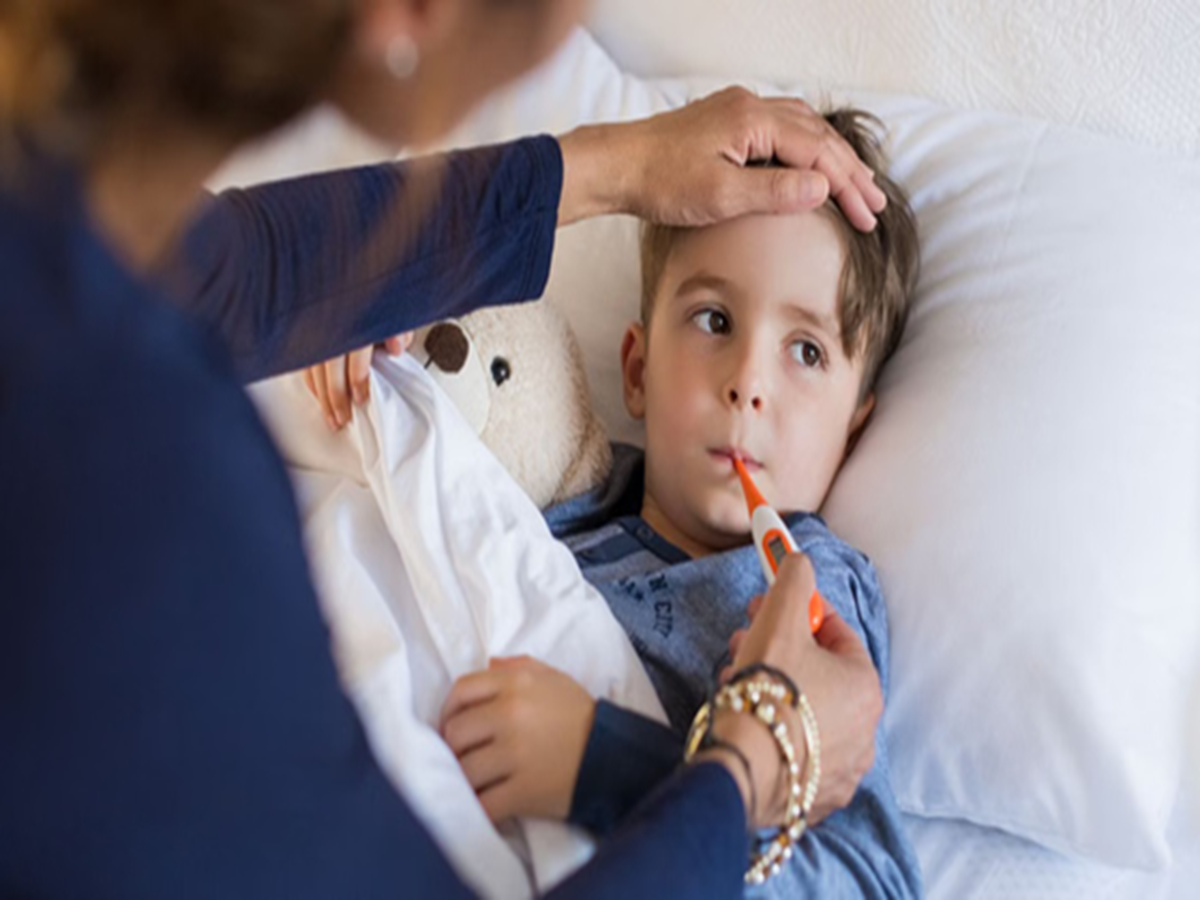
Swine flu (H1N1) is one such disease, with cases reported periodically. Recent reports indicated that the disease was posing an increasing threat in several parts of India; the number of patients rose sharply in Delhi and Karnataka during July and August. Now, a recent report reveals the first human case of Swine Influenza A (H1N2) in China.
Health experts explain that H1N2 is a rare type of influenza that spreads from pigs and can occasionally infect humans through contact with the animals. However, the number of such cases has historically been very low. This marks the first instance of H1N2 in China.
Could this pose a serious health risk, or does it cause symptoms similar to the common cold, like H1N1? Let us explore this in detail.
**H1N2 Swine Flu Case**
According to recent reports, the first human case of H1N2 swine flu has been detected in China. This event is considered significant because the virus is primarily found in pigs and infects humans only in very rare circumstances.
The infection was confirmed in a two-year-old boy in China. He was suffering from recurrent fever and intermittent coughing.
Despite undergoing medical treatment on several occasions, his condition deteriorated. He developed bronchopneumonia, necessitating hospitalization. During the medical examination, doctors identified an Influenza A (H1N2) infection. The patient has since fully recovered and been discharged.
**Risk of Swine Flu from Pigs**
Researchers from the Chinese CDC noted that the child lived in an area with a high population of pigs, chickens, and pigeons. A pig had also died around the time the child fell ill; the Influenza A virus was detected in samples from both the child and the deceased pig.
The investigating team concluded that the infected pig was a likely source of the virus's transmission to the child, though the exact mechanism of transmission could not be definitively established. Thirty other individuals who had come into contact with the child were tested; none tested positive for the virus, nor did any develop flu-like symptoms.
**What is the difference between H1N1 and H1N2?**
Health experts state that both H1N1 and H1N2 are subtypes of the Influenza A virus.
H1N1 is a common seasonal flu strain that spreads among humans and caused a pandemic in 2009.
In contrast, H1N2 is primarily a virus found in pigs, causing infections in humans only on rare occasions.
Doctors note that in areas where pigs are prevalent, there is a risk of infection for young children, the elderly, pregnant women, and individuals with pre-existing health conditions.
**Previous Reports of H1N2 Cases**
It is worth noting that the case reported in China is not the first instance of H1N2. Cases have previously been recorded in the United States and Europe, particularly among individuals who had contact with pigs.
According to surveillance data from the US CDC, 44 cases of H1N2 infection were reported in the United States between 2010 and May 2026.
Such human infections remain rare. Concerns could escalate if the virus begins to spread continuously from person to person or undergoes mutations that allow it to transmit more easily among humans.
What are the symptoms of H1N2?
According to the CDC, illness caused by the H1N2 influenza virus is generally mild, and symptoms can resemble those of the common seasonal flu.
Infected individuals have exhibited symptoms such as fever, fatigue, loss of appetite, cough, runny nose, sore throat, and nausea.
In some cases, the infection can lead to severe illness requiring hospitalization. In rare instances, it can even be fatal.
How can one protect against H1N2v?
Doctors note that cases of this infection are more frequently observed in people who come into contact with pigs; such individuals are advised to take precautions.
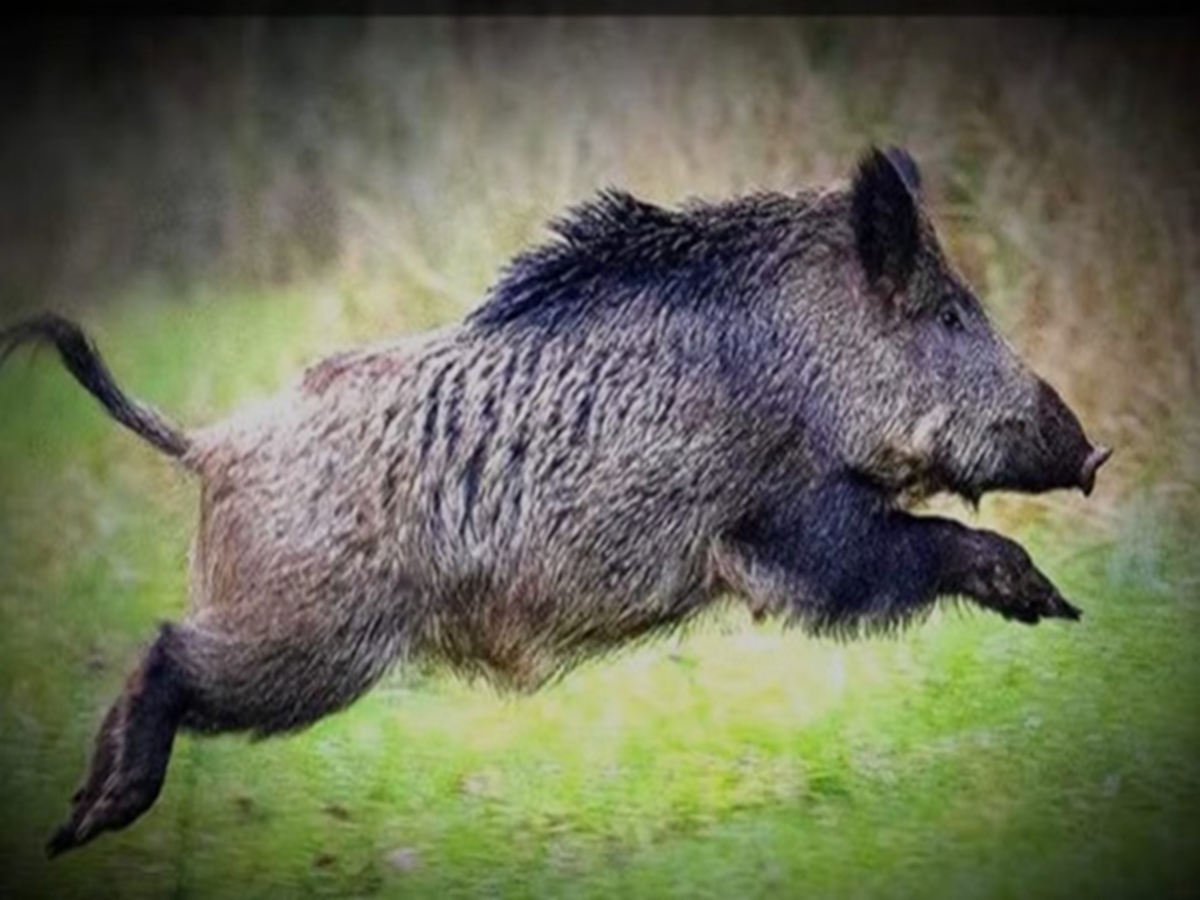
Avoid contact with sick pigs and wash hands thoroughly with soap after touching animals.
People working around pigs should pay special attention to hygiene.
Consult a doctor if symptoms such as persistent fever, cough, or flu-like signs develop after contact with pigs.
The case reported in China is currently a rare instance of human infection. There is currently no evidence of sustained person-to-person transmission.
PC Social Media