FASHION
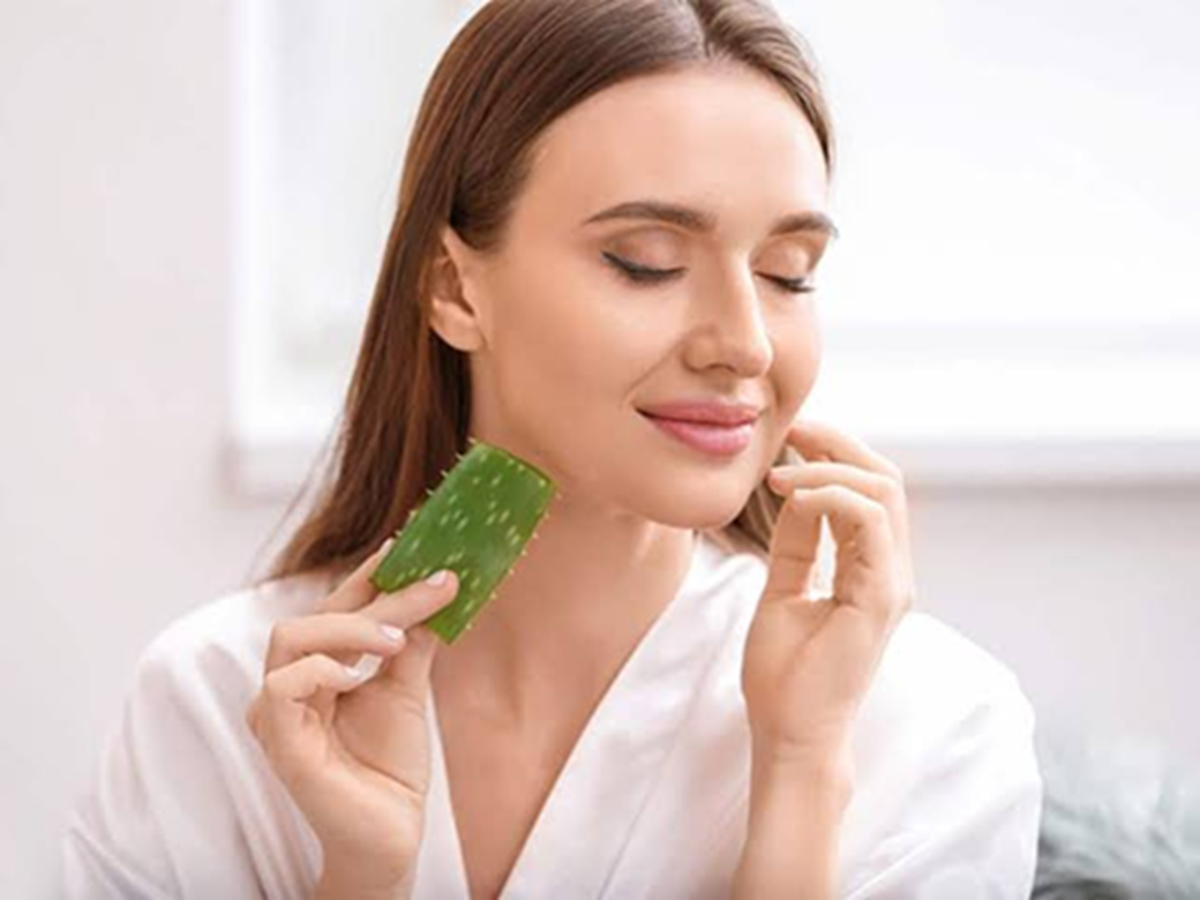
Skin Care: Do not apply Aloe Vera to your face without a patch test; instead of benefits, it could lead to a skin infection..
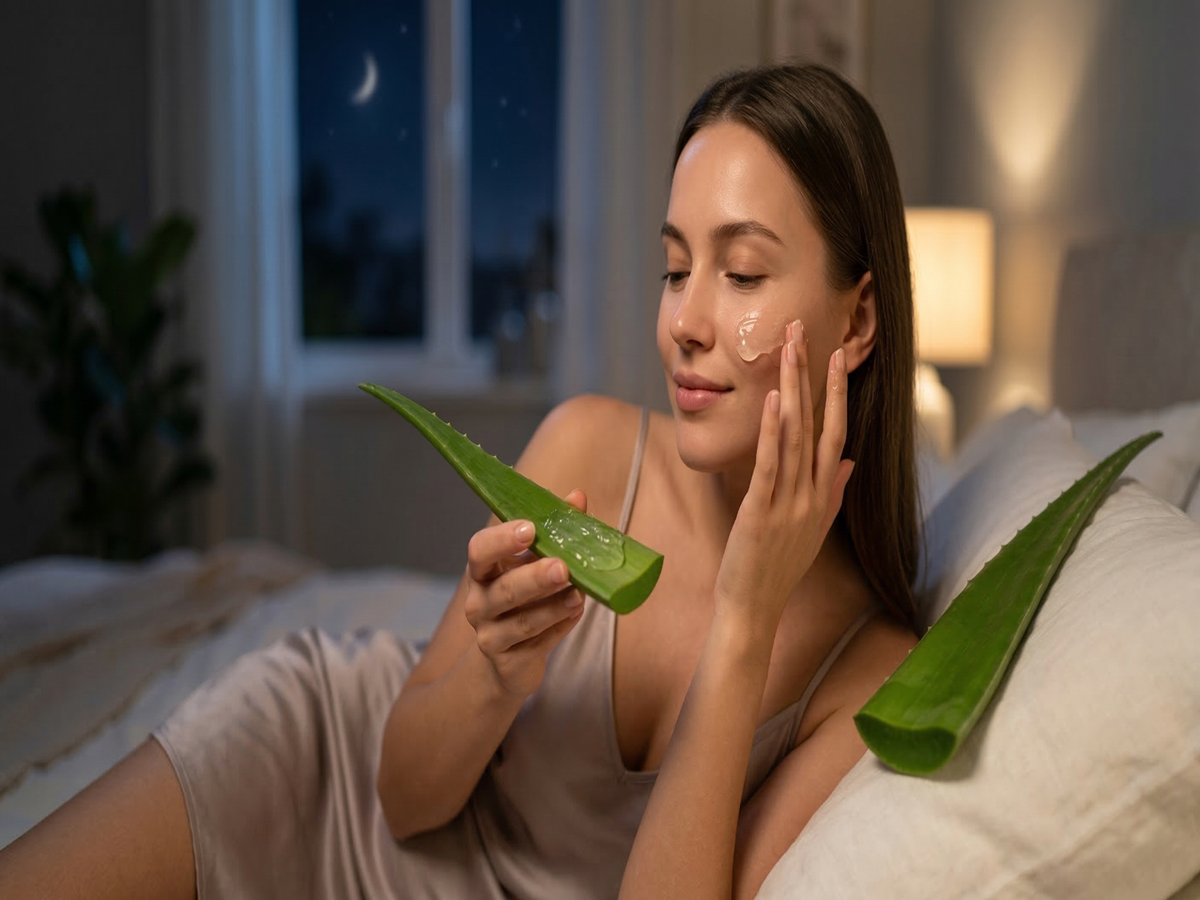
For centuries, aloe vera gel has been considered a 'natural beauty tonic' for the skin. It is commonly used in households to treat acne, blemishes, sunburn, and dry skin. We often assume that because something is natural, it cannot have any side effects.
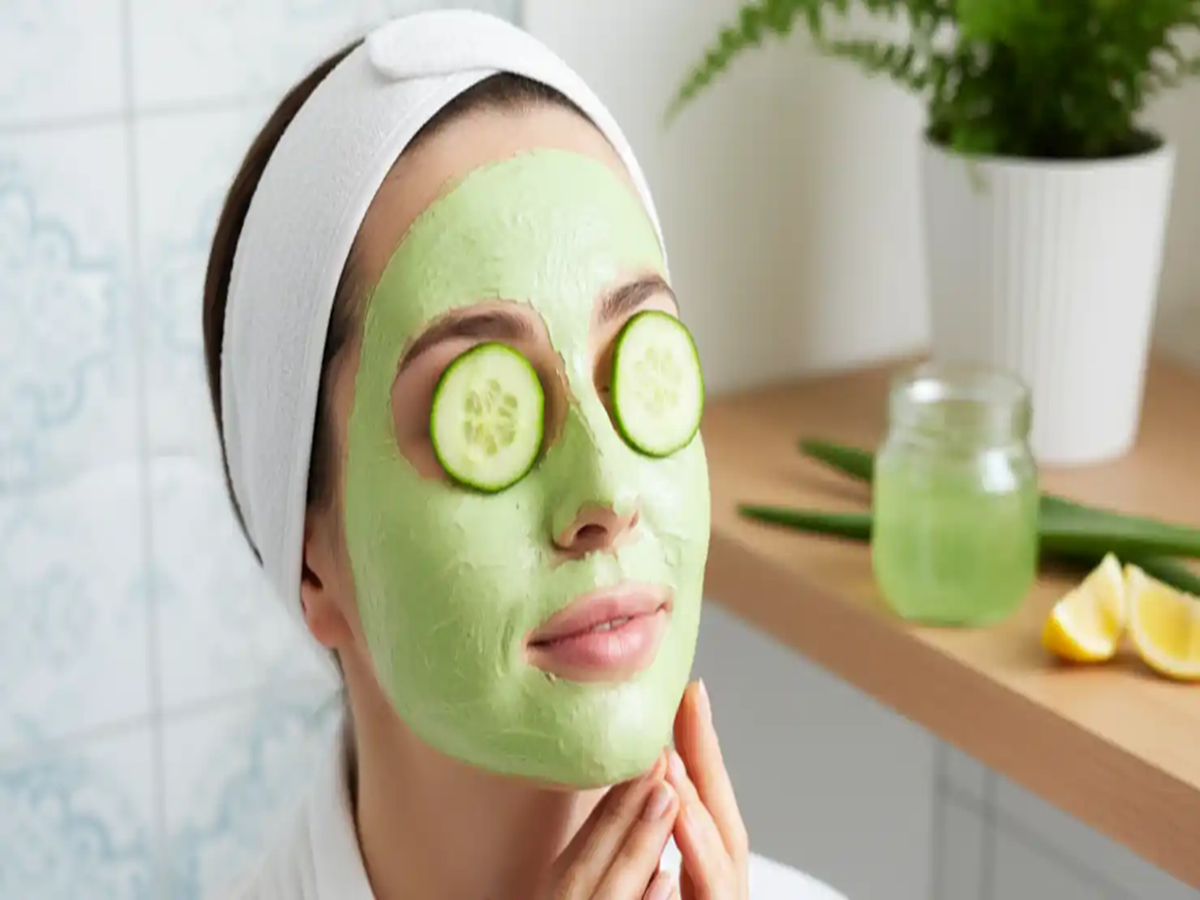
However, is this assumption entirely correct? Absolutely not. If you use aloe vera gel incorrectly, excessively, or use a poor-quality product, it can cause significant harm to your skin instead of providing benefits. Let’s explore the full picture.
How is aloe vera beneficial for the skin?
Proper use of aloe vera offers several skin benefits:
Moisture and freshness: It deeply hydrates the skin and eliminates dryness, leaving the skin looking soft and fresh.
Acne relief: Its anti-bacterial properties eliminate acne-causing bacteria and reduce facial inflammation.
Sunburn relief: It soothes sun-scorched skin and aids in rapid recovery.
Fades blemishes: Regular application can lighten blemishes and significantly improve skin tone.
Reduces signs of aging: Aloe vera contains powerful antioxidants that protect the skin from free radicals and help minimize signs of aging.
Points to consider
Applying aloe vera to your face without caution can lead to serious adverse effects:
Allergies and severe reactions: Not everyone's skin tolerates aloe vera well. Its use can cause issues such as itching, burning sensations, redness, swelling, blisters, and skin peeling. It can be particularly risky for those with sensitive skin.
Excessive skin dryness: Continuous application can strip the skin of its natural oils. As a result, dry patches, a sensation of tightness, and premature wrinkles may appear on the face.
Clogged pores and increased acne: Many commercially available gels are very thick and contain added chemicals. These can clog pores, potentially leading to frequent breakouts of pimples, blackheads, and whiteheads.
Side effects of chemicals: Artificial colors, fragrances, and alcohol present in commercial gels can cause skin irritation, pigmentation, and allergic reactions.
Sun sensitivity: For certain skin types, stepping out into the sun after application can significantly increase the risk of burning and tanning.
Risk of infection: Applying fresh aloe vera directly from the plant without proper cleaning can allow bacteria and fungi to thrive, potentially leading to skin infections.
Weakening of the skin barrier: Relying solely on aloe vera can weaken the skin's natural barrier, making the skin more susceptible to damage.
Not a cure-all: Applying aloe vera to serious conditions like hormonal acne, melasma, or allergic reactions can worsen the situation and delay access to appropriate medical treatment.
Important precautions before use
To avoid the downsides and maximize the benefits of aloe vera, keep the following points in mind:
Perform a patch test: Always conduct a patch test before applying it directly to your face to check for any allergic reactions.
Use in moderation: Apply it to your skin in a balanced and limited quantity.
Choose chemical-free gels: When buying from the market, ensure the gel is free from harsh chemicals; opt for pure, chemical-free products.
PC Social Media