LIFESTYLE
Should you observe the Karwa Chauth fast during pregnancy? A gynecologist shares insights..
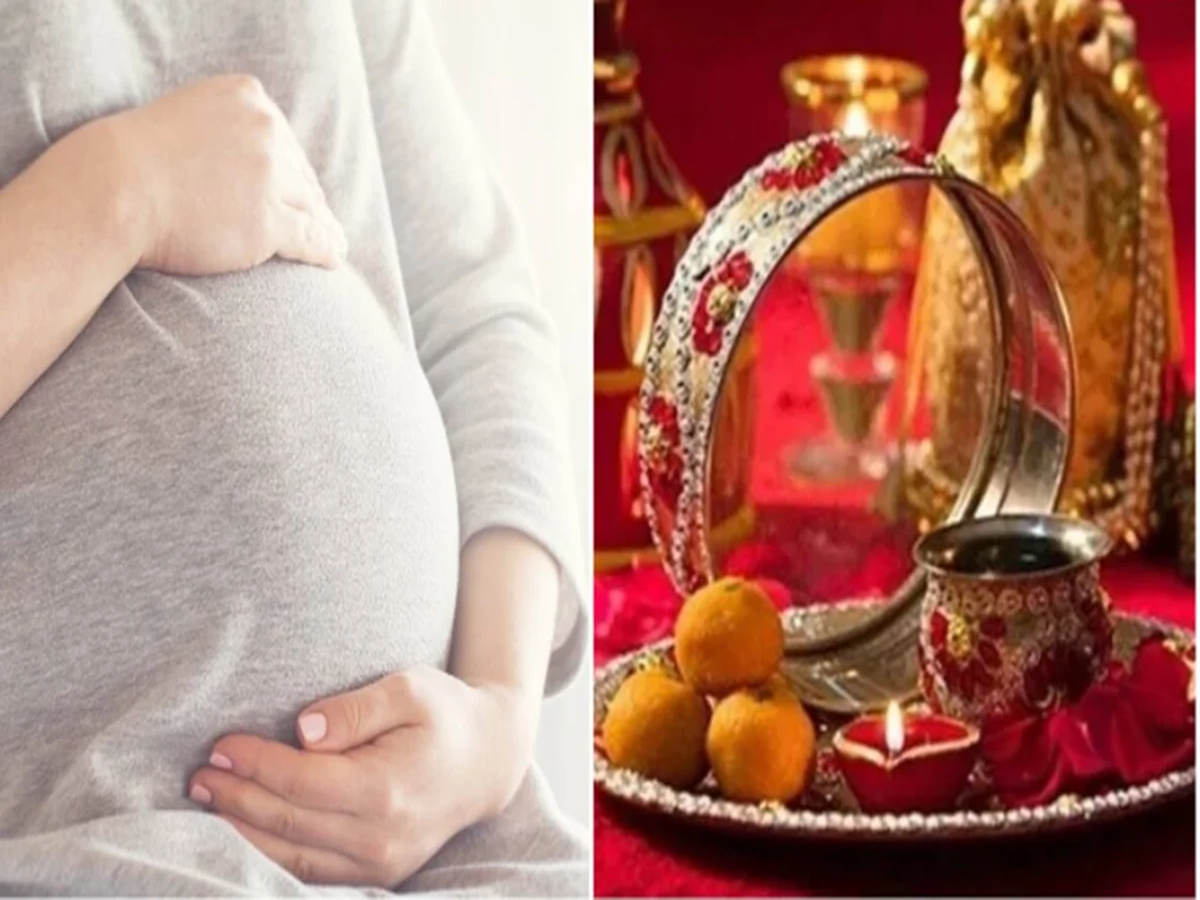
Karwa Chauth Fasting During Pregnancy: The Karwa Chauth fast holds great significance for married women. On this day, women observe a *nirjala* (waterless) fast—abstaining from both food and water—from sunrise until moonrise, praying for their husbands' longevity and a happy marital life. However, for those who are pregnant, a question naturally arises: is it safe to fast—going without food and water—during pregnancy?
During pregnancy, it is crucial to prioritize the health of both the mother and the developing baby. Going without food or water for an extended period can lead to issues such as dehydration, weakness, dizziness, and a drop in blood sugar levels. Given this, should pregnant women observe the *nirjala* fast of Karwa Chauth? Is it possible to fast while taking certain precautions? Let’s explore what gynecologists advise regarding observing the Karwa Chauth fast during pregnancy and what essential factors should be kept in mind.
How safe is it to observe the Karwa Chauth fast during pregnancy?
According to gynecologists, observing a *nirjala* fast—remaining without food or water from sunrise to moonrise—can be risky during pregnancy. A pregnant body requires an adequate intake of water, energy, and nutrients. Since research on religious fasting during pregnancy is limited, a *nirjala* fast cannot be considered safe for all pregnant women.
What are the potential risks of observing a *nirjala* fast during pregnancy?
Dehydration: Going without water for a long period can lead to a lack of fluids in the body.
Weakness and Dizziness: Staying on an empty stomach can cause fatigue, headaches, and dizziness.
Fluctuations in Blood Sugar: Pregnant women, especially those with diabetes, need to exercise extra caution.
Risk of Pregnancy Complications: If there are pre-existing health issues, the risks associated with fasting may increase.
Which pregnant women should avoid fasting? Women experiencing gestational diabetes, anemia, persistent vomiting, dehydration, or a high-risk pregnancy should not fast without medical advice. It is also essential to consult your doctor regarding your specific condition if you are in the early or final stages of pregnancy.
If you wish to observe Karwa Chauth, what should you do?
Instead of a *nirjala* (waterless) fast, consume fruits or a light meal, as advised by your doctor.
Ensure you drink enough water and other suitable fluids throughout the day.
Include items like fruits, milk, yogurt, nuts, and other nutritious foods.

Avoid standing for long periods, strenuous physical activity, or exposure to heat.
Do not stop taking prescribed medications or pregnancy supplements without consulting your doctor.
Please note that simply consuming fruits instead of a full meal does not necessarily make fasting safe for every pregnant woman. Make this decision based on your individual medical condition.
PC Social Media