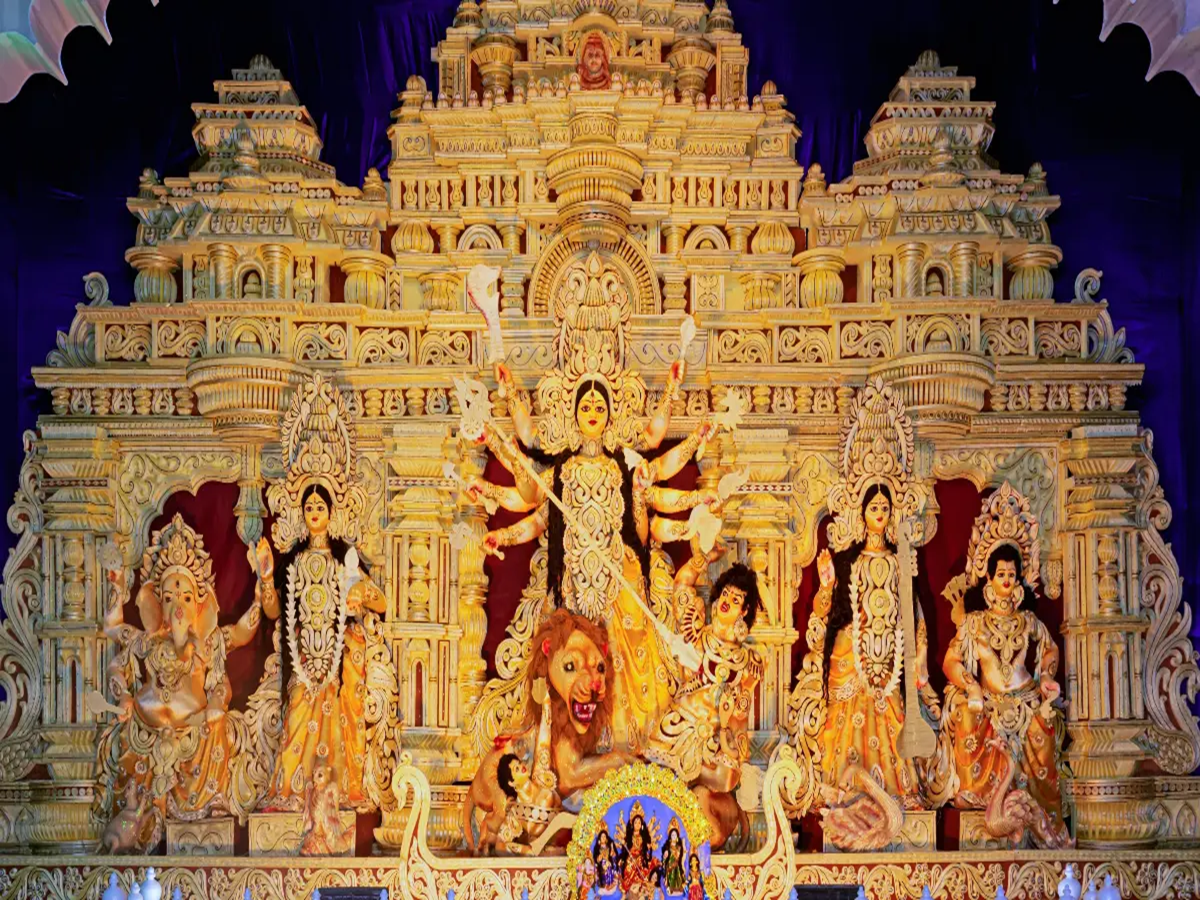
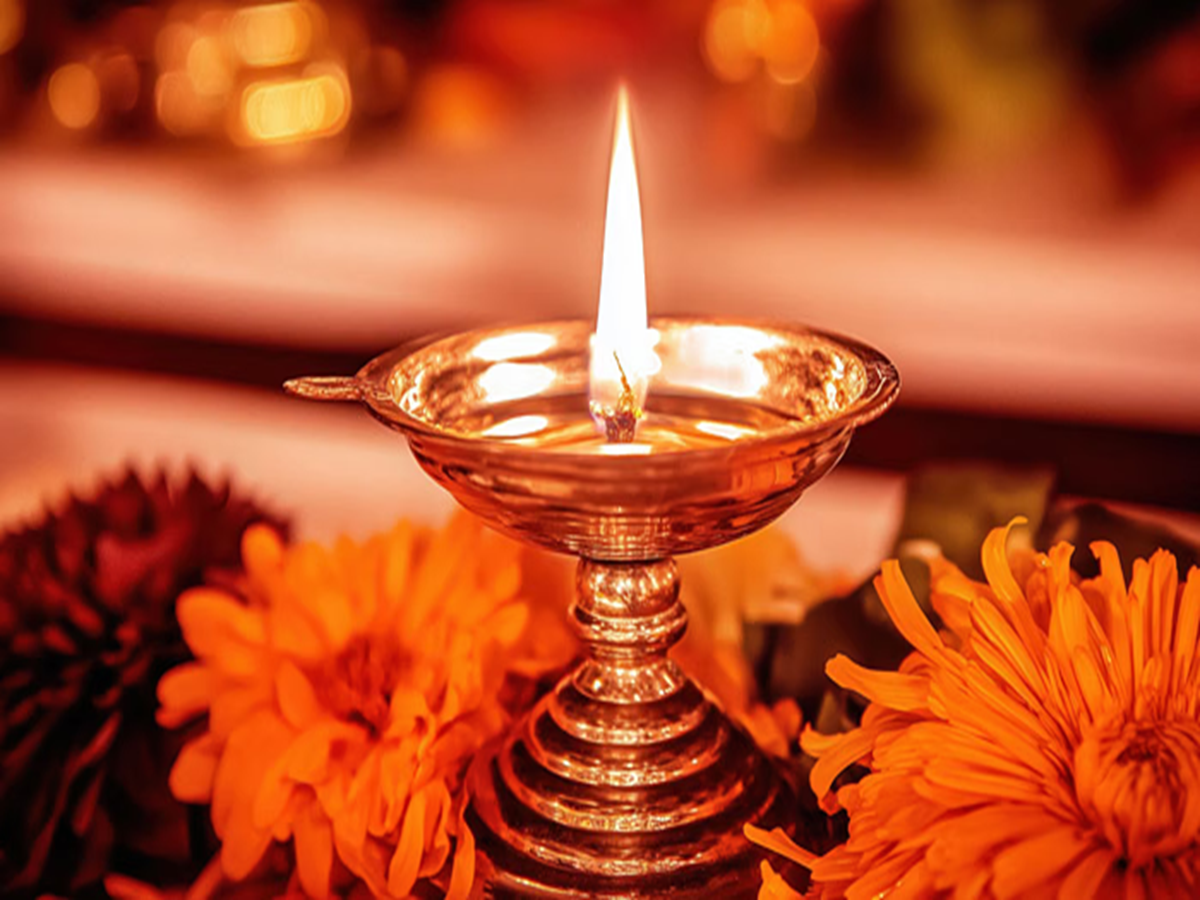
The tradition of lighting an *Akhand Jyoti* (an eternal, unbroken flame) holds special significance during Navratri and other religious rituals. An *Akhand Jyoti* refers to a flame that is kept burning continuously for the entire duration of a vow or ritual. According to religious belief, this flame helps maintain a positive and sacred atmosphere in the place of worship. However, it is essential to observe certain rules and precautions when lighting an *Akhand Jyoti*.
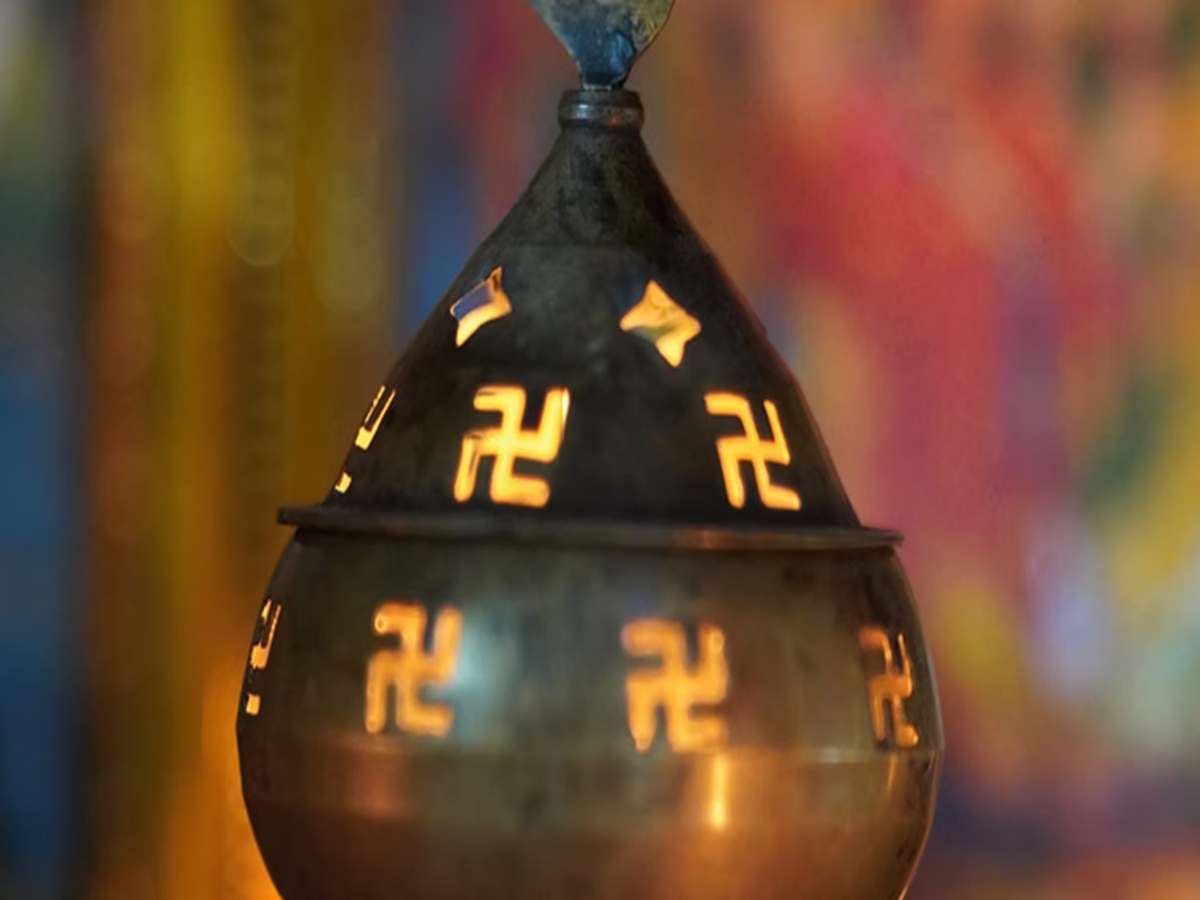
What is the significance of lighting an *Akhand Jyoti*?
In Hinduism, lighting a lamp is considered auspicious during any worship or religious ritual. It is believed that the light of the lamp dispels darkness and symbolizes positivity. For this reason, there is a tradition of lighting an *Akhand Jyoti* during Navratri, special prayers, rituals, or while undertaking a solemn vow (*sankalp*). Religious beliefs hold that lighting an *Akhand Jyoti* at home fosters an atmosphere of happiness, peace, and prosperity. Devotees also view it as a symbol of their reverence for the deities and a testament to their commitment to their vow.
Rules for lighting an *Akhand Jyoti*
It is considered auspicious to meditate upon Lord Ganesha, Lord Shiva, and Goddess Durga before lighting the *Akhand Jyoti*. Afterward, light the lamp with devotion. Religious tradition also prescribes the chanting of a specific mantra dedicated to Goddess Durga:
“Om Jayanti Mangala Kali Bhadrakali Kapalini,
Durga Kshama Shiva Dhatri Svaha Svadha Namostute.”
There are also religious beliefs regarding the placement of *ghee* (clarified butter) and oil lamps. According to tradition, a *ghee* lamp is placed on the right side, while an oil lamp is placed on the left. If the *Akhand Jyoti* has been lit for a specific prayer, ritual, or vow, every effort is made to ensure it does not extinguish until the objective is fulfilled.
Avoid leaving the *Akhand Jyoti* unattended.
Once the *Akhand Jyoti* is lit, it requires regular care. Ensure that there is always a sufficient amount of *ghee* or oil in the lamp. The flame should be placed in a location sheltered from strong winds and where there is no risk of the lamp tipping over. A suitable glass shield or cover may be used to protect the flame, provided it does not increase the risk of excessive heat or fire. It is also essential to keep the *Akhand Jyoti* (perpetual flame) away from children, pets, and flammable materials.
**Points to Consider When Choosing a Place for Worship**
It is considered appropriate to light the *Akhand Jyoti* in a clean and organized space dedicated to worship. According to religious beliefs, it is preferable if there are no toilets or bathrooms in the immediate vicinity of the worship area. Additionally, the lamp should not be placed too close to doorways, curtains, paper, or other flammable objects. Prioritizing safety during worship is just as important as adhering to religious protocols.
**What to Do After the Vow (Sankalp) is Fulfilled?**
If the *Akhand Jyoti* was lit for a specific vow or intention, follow your family or religious traditions regarding the lamp once the vow is fulfilled. Many traditions suggest allowing the flame to extinguish naturally on its own. It is believed that one should avoid blowing out the flame with one's breath.
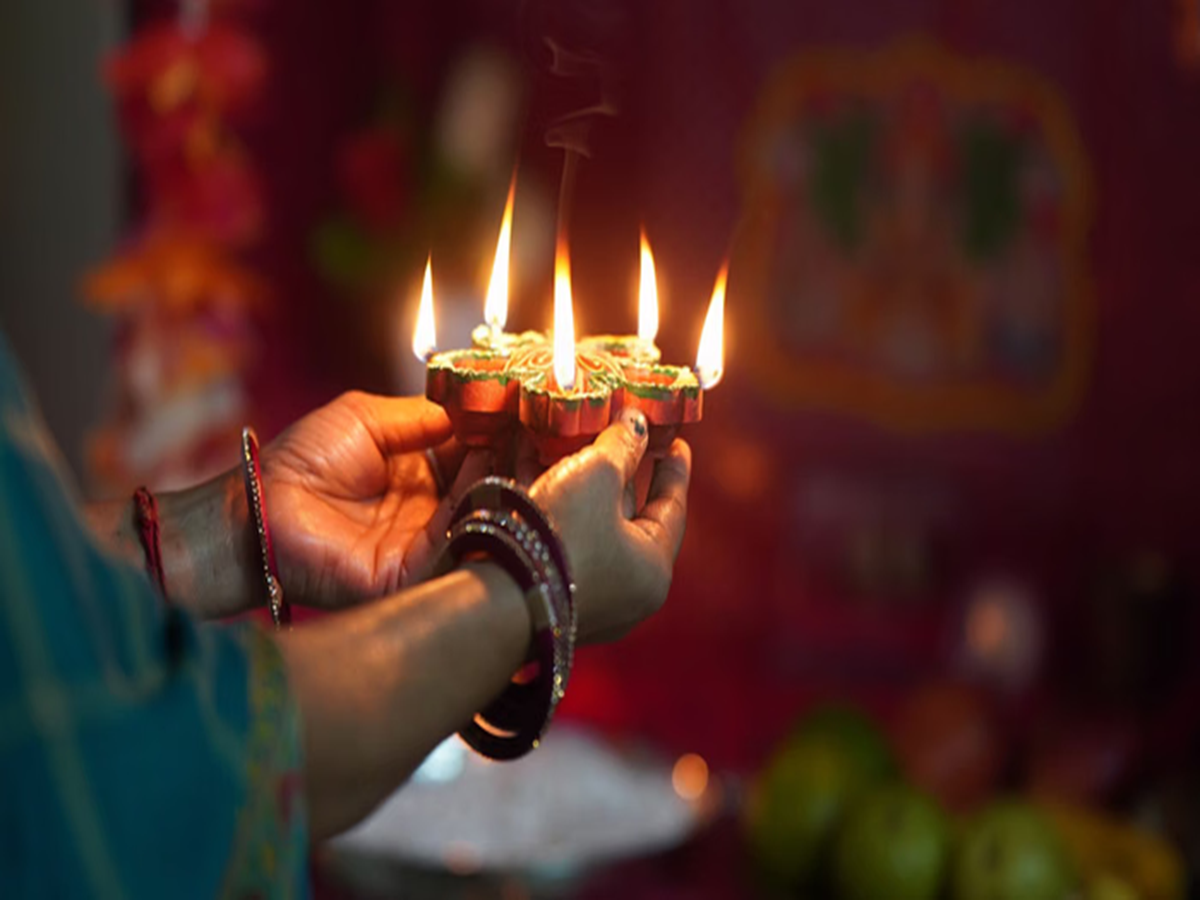
**Religious Benefits Associated with Akhand Jyoti**
Religious beliefs associate the *Akhand Jyoti* with positive energy, spiritual peace, and prosperity. Lighting a *ghee* (clarified butter) lamp is considered particularly auspicious. Meanwhile, there are also various religious traditions regarding the use of mustard oil lamps. However, claims suggesting that these practices can definitively eliminate the influence of Saturn (*Shani*), *Pitra Dosh* (ancestral affliction), or specific illnesses should be viewed strictly within the context of religious belief. The primary purpose of the *Akhand Jyoti* is rooted in devotion, worship, and spiritual practice.
PC Social Media