LIFESTYLE
Sharadiya Navratri 2026: Goddess Durga to arrive riding an elephant; know the vehicles for her arrival and departure..
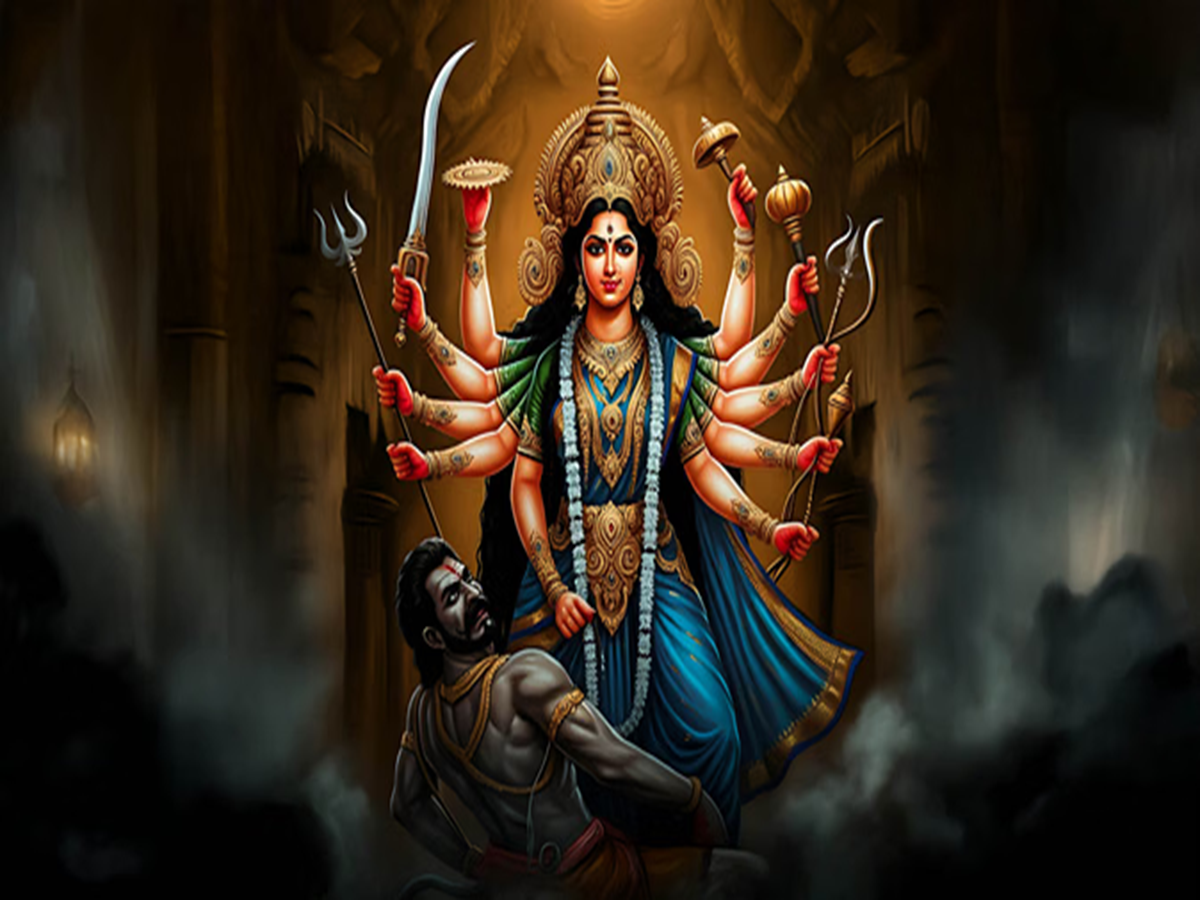
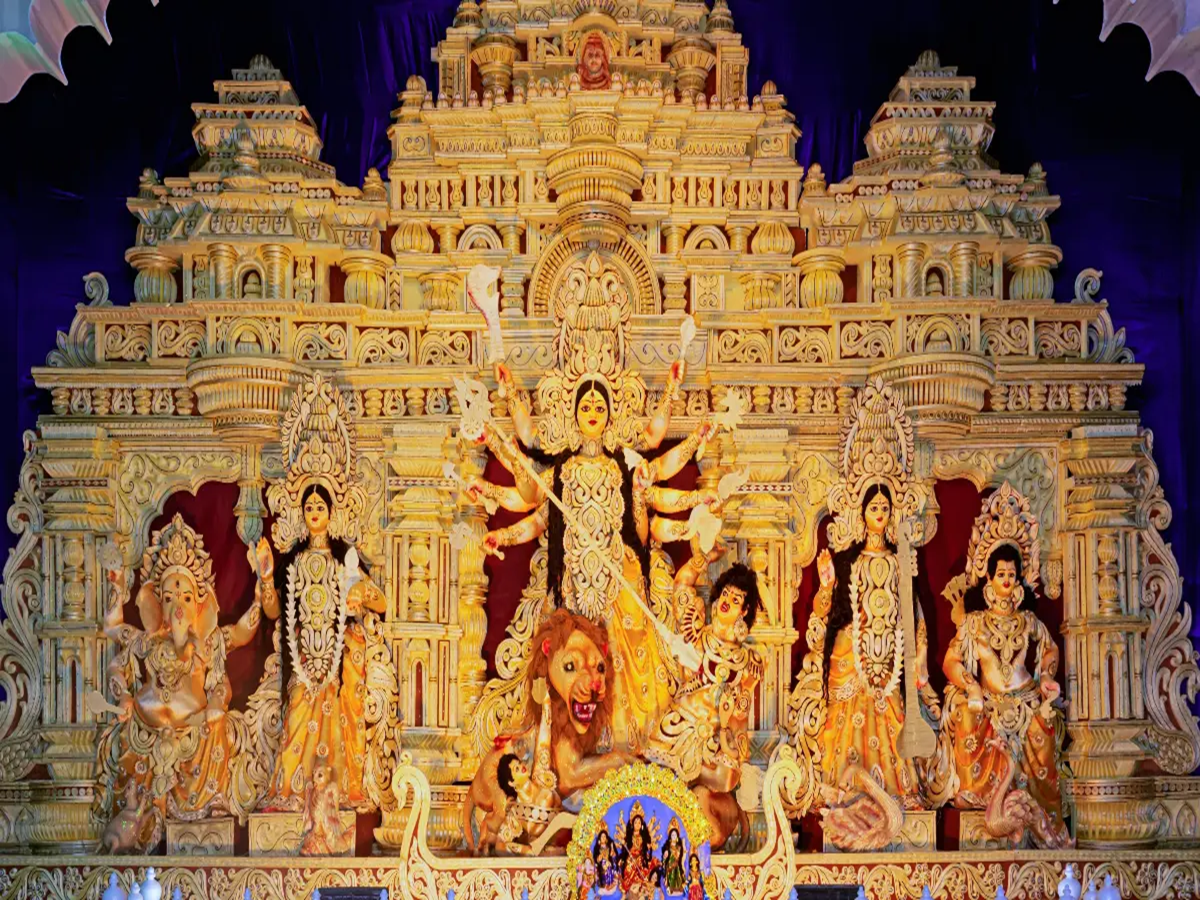
Shardiya Navratri 2026: The auspicious festival of Shardiya Navratri will begin this year on Sunday, October 11, 2026. During the nine days of Navratri, the nine forms of Goddess Durga are worshipped with prescribed rituals. Devotees seek the Goddess's blessings through worship, fasting, and spiritual practice. Religious belief holds that worshipping Goddess Durga during Navratri fosters happiness, peace, and positivity in the home. There is also special discussion regarding the *vahana* (divine vehicle) associated with the Goddess's arrival and departure this time. According to tradition, since Navratri begins on a Sunday, Goddess Durga will arrive on Earth riding an elephant; conversely, as Vijayadashami falls on a Tuesday, her departure is believed to be on a rooster (*Charanayudha*).
When will Shardiya Navratri begin?
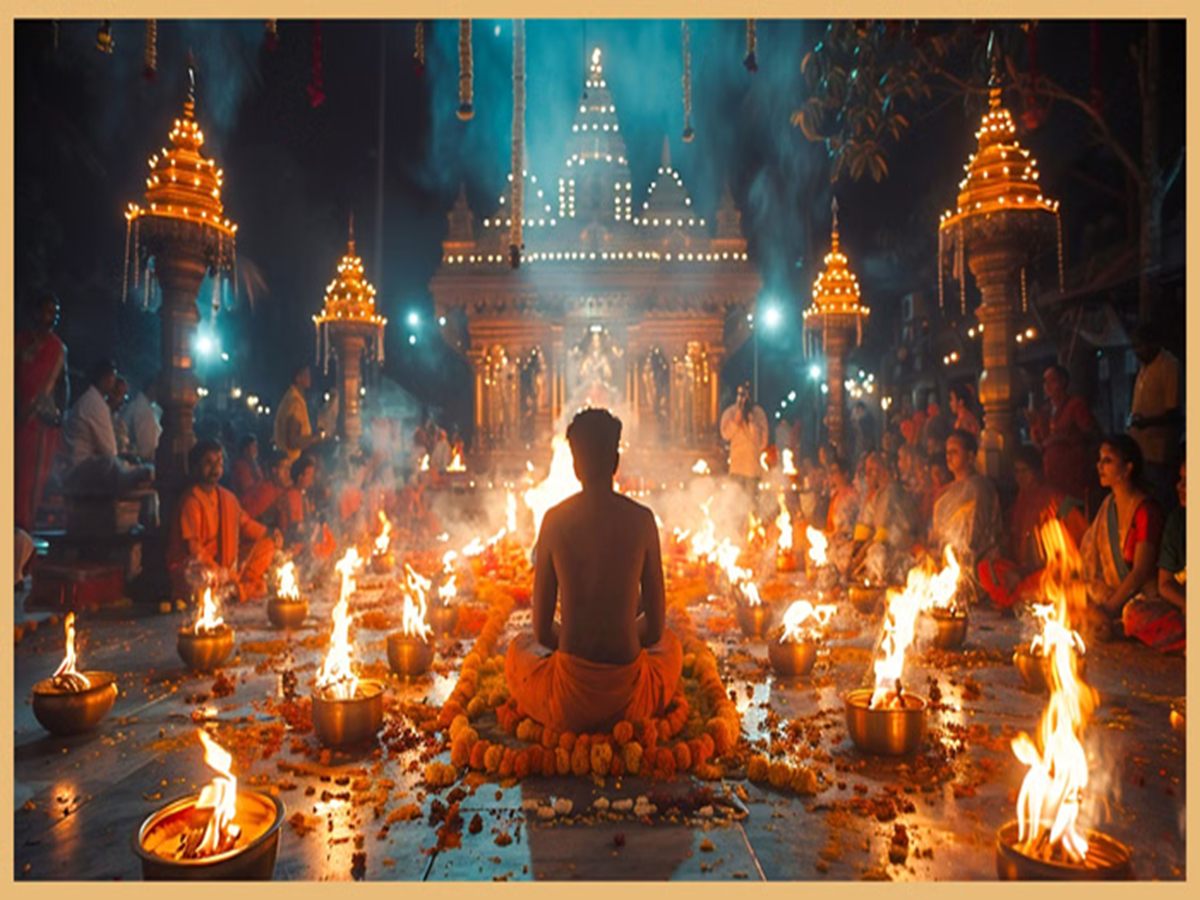
According to the *Panchang* (Hindu almanac), Shardiya Navratri will commence on October 11, 2026. The first day of Navratri falls on a Sunday. Different forms of Goddess Durga will be worshipped over the nine days, and major rituals associated with *Ashtami* and *Navami* will take place on October 19. Vijayadashami will be celebrated the following day, on October 20.
Goddess Durga to arrive on an elephant this time
Religious beliefs dictate the Goddess's arrival vehicle based on the day of the week on which Navratri begins. It is believed that if Navratri starts on a Sunday or Monday, Goddess Durga's vehicle is the elephant. If it begins on a Saturday or Tuesday, the horse is considered the vehicle, while other days are associated with the *doli* (palanquin) or *nauka* (boat). Since Shardiya Navratri begins on a Sunday in 2026, Goddess Durga's arrival is considered to be on an elephant (*Gaj*). In religious tradition, the elephant is associated with happiness, prosperity, stability, and opulence; therefore, the Goddess's arrival on an elephant is regarded as an auspicious sign.
What does the Mother Goddess's arrival on an elephant signify?
In Indian tradition, the elephant is considered a symbol of power, stability, and prosperity. Consequently, religious beliefs regard the Goddess's arrival on an elephant as an omen of happiness, prosperity, and favorable circumstances. Some traditions also associate this with a good monsoon and agricultural abundance. However, these are matters of religious belief and should not be viewed as definitive predictions of the future.
On which vehicle will Goddess Durga depart?
There is a tradition of determining the vehicle for Goddess Durga's departure on Vijayadashami—the day following Navratri—based on the day of the week. This year, Vijayadashami falls on Tuesday, October 20, 2026. According to prevailing scriptural beliefs, if the Goddess departs on a Tuesday or Saturday, her vehicle is considered to be the *Charanayudha*—traditionally identified as a rooster (*murga* or *kukkut*). Therefore, it is believed that Goddess Durga will depart on a rooster this time. In religious traditions, this vehicle is not considered very auspicious and is associated with signs of social unrest, anxiety, or challenges. However, these are astrological and religious beliefs; scientifically, no specific event can be predicted based on them.
Worship of the nine forms of Goddess Durga during Navratri
During the nine days of Navratri, nine distinct forms of the Goddess are worshipped. The deities worshipped are Maa Shailaputri on the first day, Maa Brahmacharini on the second, Maa Chandraghanta on the third, Maa Kushmanda on the fourth, Maa Skandamata on the fifth, Maa Katyayani on the sixth, Maa Kalaratri on the seventh, Maa Mahagauri on the eighth, and Maa Siddhidatri on the ninth day. Devotees observe fasts according to their devotion, recite scriptures dedicated to the Goddess, and perform *Ghatasthapana* (ritual installation of the sacred pot) at home to worship the Mother Goddess. The essence of Navratri is rooted in power (*Shakti*), devotion (*Bhakti*), and self-restraint. Therefore, there is a tradition of focusing not only on worship and rituals but also on the purity of mind, speech, and actions during these nine days.
What is the significance of the beliefs surrounding Goddess Durga's *vahana* (divine vehicle)?
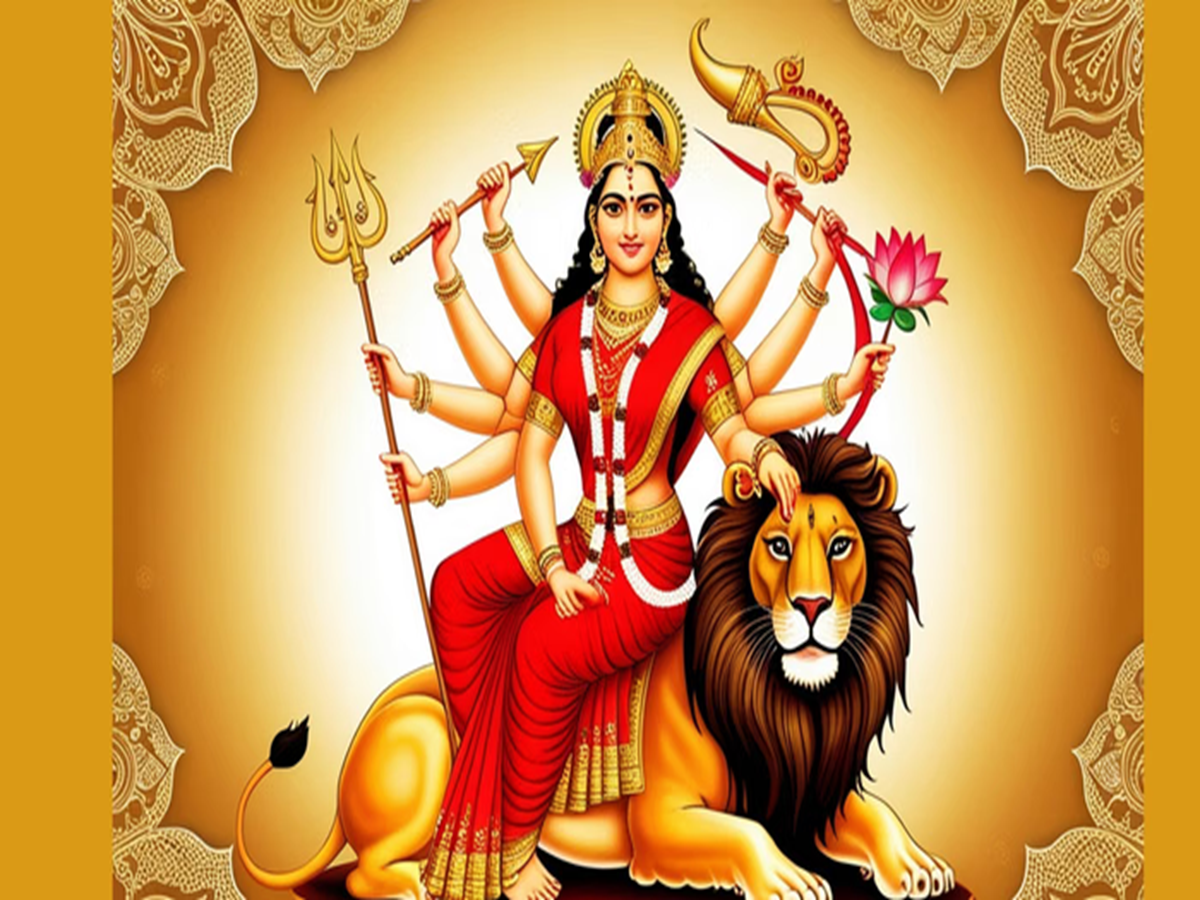
Beliefs regarding the vehicle upon which the Goddess arrives and departs have existed for centuries. These are used to interpret various religious omens for the times ahead. While the Goddess's arrival on an elephant in 2026 is associated with auspiciousness and prosperity, her departure on a rooster is viewed as a sign of caution and impending challenges. However, these beliefs are rooted in faith and tradition; it would not be appropriate to regard them as definitive predictions.
PC Social Media