
Parenting
Psychology Tips for Parenting: Smart parents use these 5 psychological hacks to keep their children close to their hearts..

Smart Parenting Tips: Parenting goes beyond merely educating children, instilling good values, or teaching the difference between right and wrong. Children also crave an emotional connection with their parents. They want their parents to listen to them, understand their feelings, and guide them onto the right path rather than scolding them when they make a mistake. This is why positive parenting emphasizes love, open communication, active listening, and setting boundaries calmly. If you want your child to share everything—big or small—with you without fear, making a few changes to your daily habits can be very helpful.

Every child is unique; therefore, the impact of any parenting technique can vary depending on the child's age, temperament, and circumstances.
1. Listen fully instead of interrupting
When your child is talking about school, friends, or a problem they are facing, avoid rushing to offer advice or pass judgment. Look at them while listening and, if necessary, paraphrase what they said in your own words. This is known as active listening. Giving your child your full attention and trying to understand their emotions can improve communication and strengthen your bond.
For instance, if your child says, "My friend wasn't talking to me today," don't immediately dismiss it by saying, "It's no big deal; just forget about it." Instead, ask, "Did that make you feel bad?" This shows them that you value their feelings.
2. Don't focus only on mistakes; praise good behavior too
If your child completes their homework on time, tidies up their toys, or helps a younger sibling, make sure to praise them. However, instead of just saying "Good boy" or "Good girl," specify exactly what you appreciated. Praising a specific positive action helps the child understand what they did right.
3. Address the behavior instead of scolding for every mistake
Making mistakes is part of a child's learning process. Therefore, instead of using labels like "You are so careless," focus the conversation on the behavior itself. Instead of labeling the child, it is more helpful to address their behavior and guide them on the right approach.
For instance, if a child scatters their belongings, rather than saying, "You always make a mess," try saying, "It is important to put toys back in their place after playing."
4. Dedicate some quality time to your child every day
Spending time with your child doesn't always require a major activity. Simply sitting and talking, reading a story, playing, or going for a walk is enough. During this time, put away your phone and turn off the TV so you can give your child your full attention.
5. Establish rules, but with love and respect
In parenting, giving children complete freedom isn't the right approach either. There should be clear, simple, and age-appropriate rules in the home. The key difference is that these rules should be explained calmly rather than enforced through fear, physical punishment, or scolding. Positive parenting involves setting clear boundaries while also understanding and respecting the child's feelings.
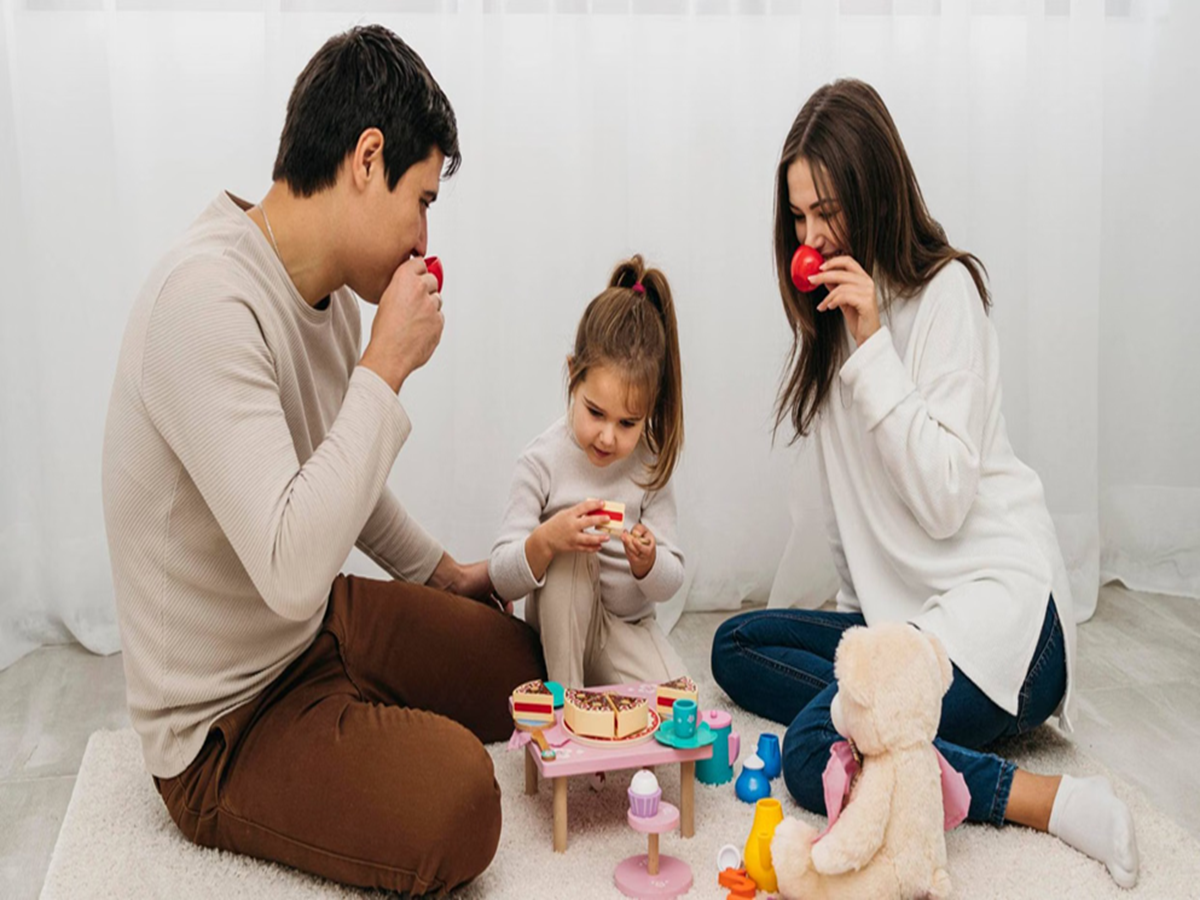
Remember, being a good parent doesn't mean being perfect. What truly matters is that your child feels safe, heard, and understood by you. Listening attentively, praising good behavior, avoiding humiliation when mistakes occur, spending quality time daily, and setting boundaries with love—these small habits can gradually strengthen your relationship.
PC Social Media