Parenting
Positive Parenting Tips: Don't think of it as rudeness! These 5 unpleasant things that children do make them strong and cautious..
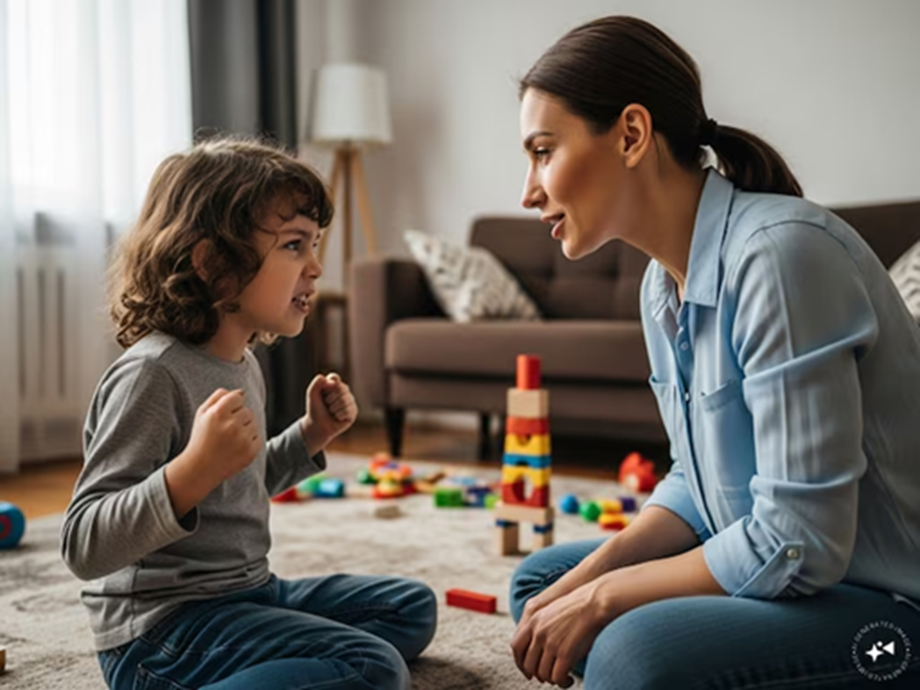
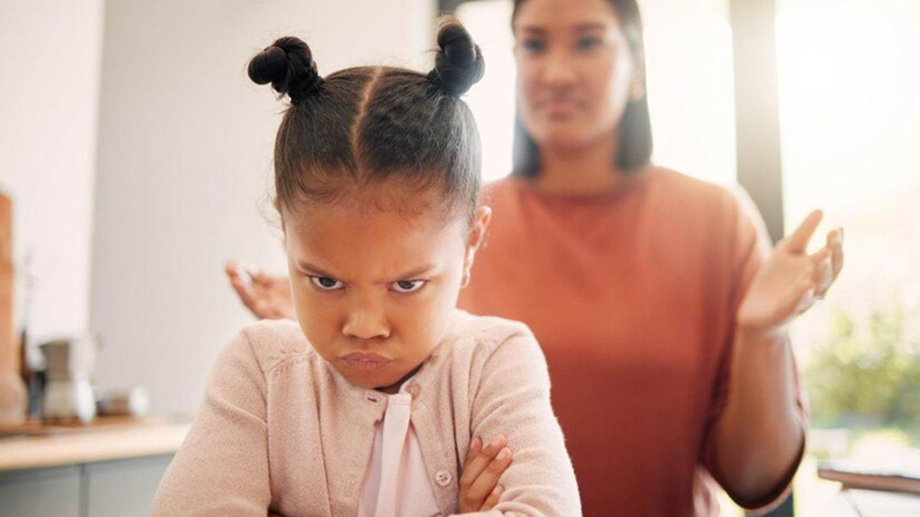
Positive Parenting Tips: Often, when children say 'no' to something, ask questions or start giving their answers, parents consider it rude or a bad habit. But the truth is that these habits are a sign of them becoming strong, self-confident, and alert. In today's upbringing, we must understand these things about children instead of suppressing them. If you understand the reason for their behavior and let them evaluate right and wrong, then they themselves will gradually learn to express their feelings in a better way. So let's know which things about children seem wrong at first sight, but make them mentally strong and teach them to protect themselves in the future.
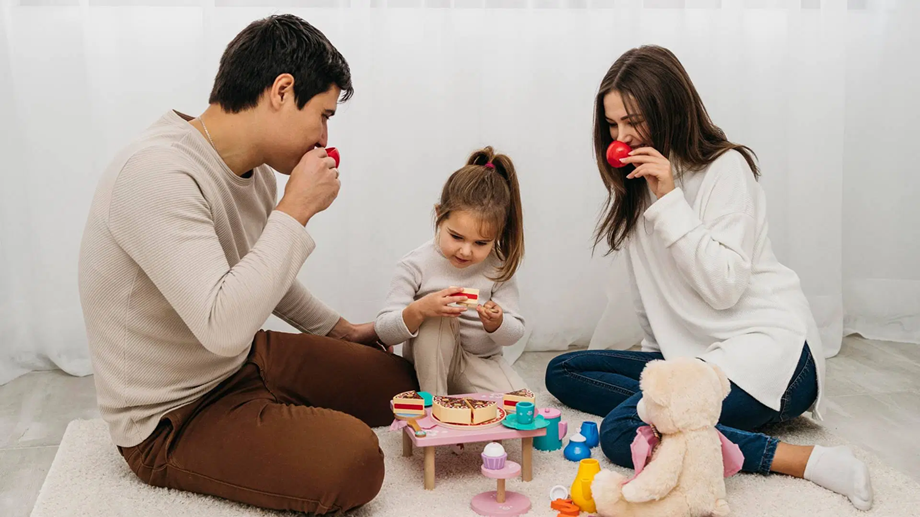
When the child says 'no', do not scold.
If a relative wants to hug the child forcefully and the child refuses, then instead of calling him 'rude', understand his decision and accept his body autonomy. Often, parents feel that when a child refuses something, he is being stubborn or not listening. But if the child is saying 'no' to something intelligently, it means that he is understanding his likes and dislikes. This develops his concept of self-respect and body boundaries.
Asking questions does not mean rudeness.
"Don't ask so many questions!" - Many parents say this line to their children. But the truth is that when a child asks questions, he wants to understand things. This is a part of his ability to think and understand. If the child asks, "Why should we not talk to strangers?", then it should be answered intelligently and not with anger. This activates his logical mind.
Expressing your feelings is not a weakness.
When the child says, "I am feeling scared" or "I am sad today", then many times we silence him or say that "boys do not feel scared". But expressing your feelings as a child increases your child's emotional intelligence. For example, if the child is scared of something in school, then listen to his feelings, understand them, and assure him that it is normal to be scared, but we are with you.
When the child says, "I didn't like this"
Many times, the child sees something at home or outside that he finds wrong, like hitting someone, shouting, or discriminating. If he protests against it or questions it, it means that he is developing an understanding of right and wrong. If the child says, "You spoke to Mummy in anger, I didn't like that", then respect his feelings and, if possible, say sorry to him.
It is also important to ask for privacy.
As children grow up, they need some space. If they want to lock the door of their room or keep a password on their mobile, it doesn't always mean that they are doing something wrong secretly. For example, if the child says, "I don't want to show my diary page", then understand his privacy. Only with this trust will he be able to talk to you openly whenever needed.
Instead of suppressing these habits of children, if we handle them wisely, then it will make them strong, self-reliant, and cautious people. It is not necessary to scold every time; sometimes understanding their point of view is also an important part of parenting.
PC Social media