LIFESTYLE
Pitru Paksha 2026: How to perform Pind Daan if you lack the means? Scriptural remedies to satisfy the ancestors..
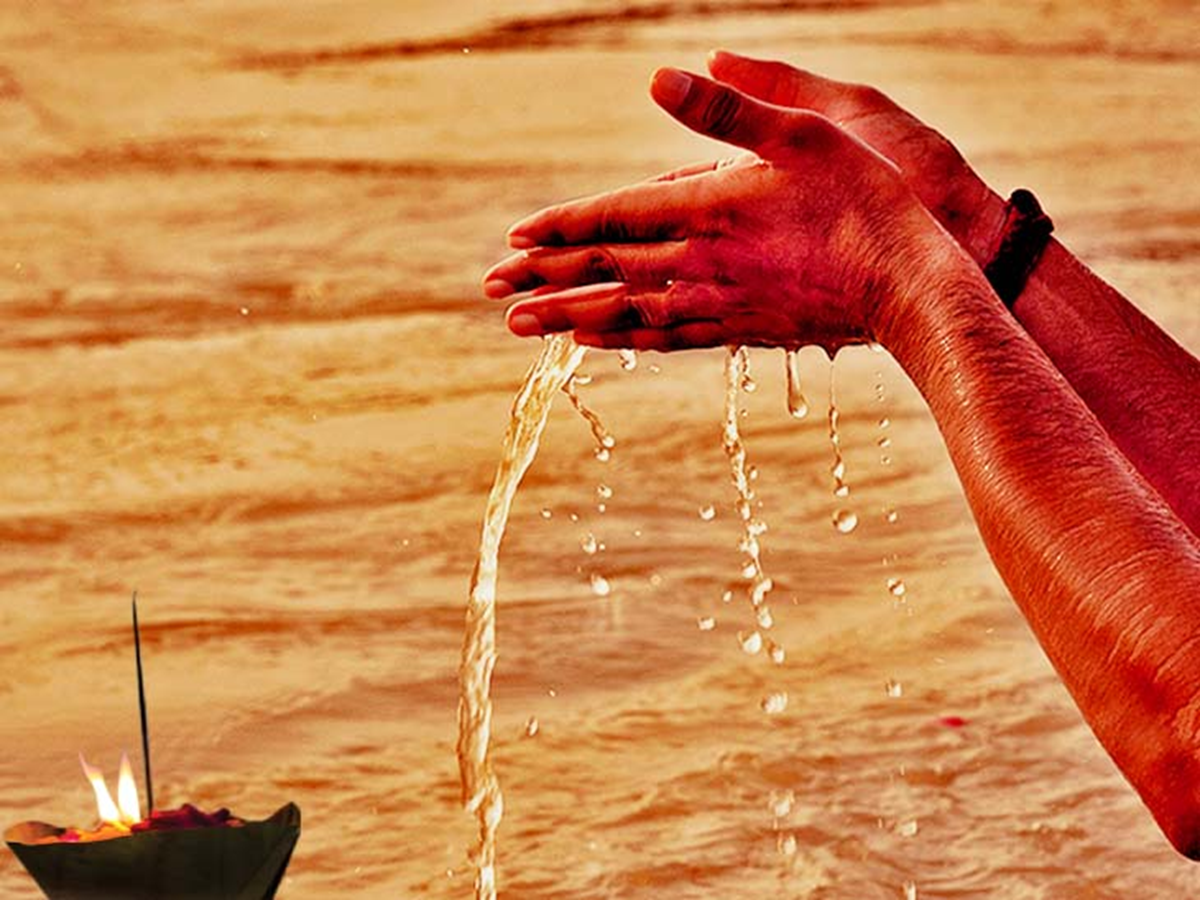
Shraddha refers to rituals—such as *Tarpan* (offering water)—performed with reverence and in accordance with scriptural injunctions to satisfy one's ancestors. Acts such as remembering the ancestors with devotion, making offerings, or performing *Pind-daan* (offering rice balls) are all encompassed by the term Shraddha.
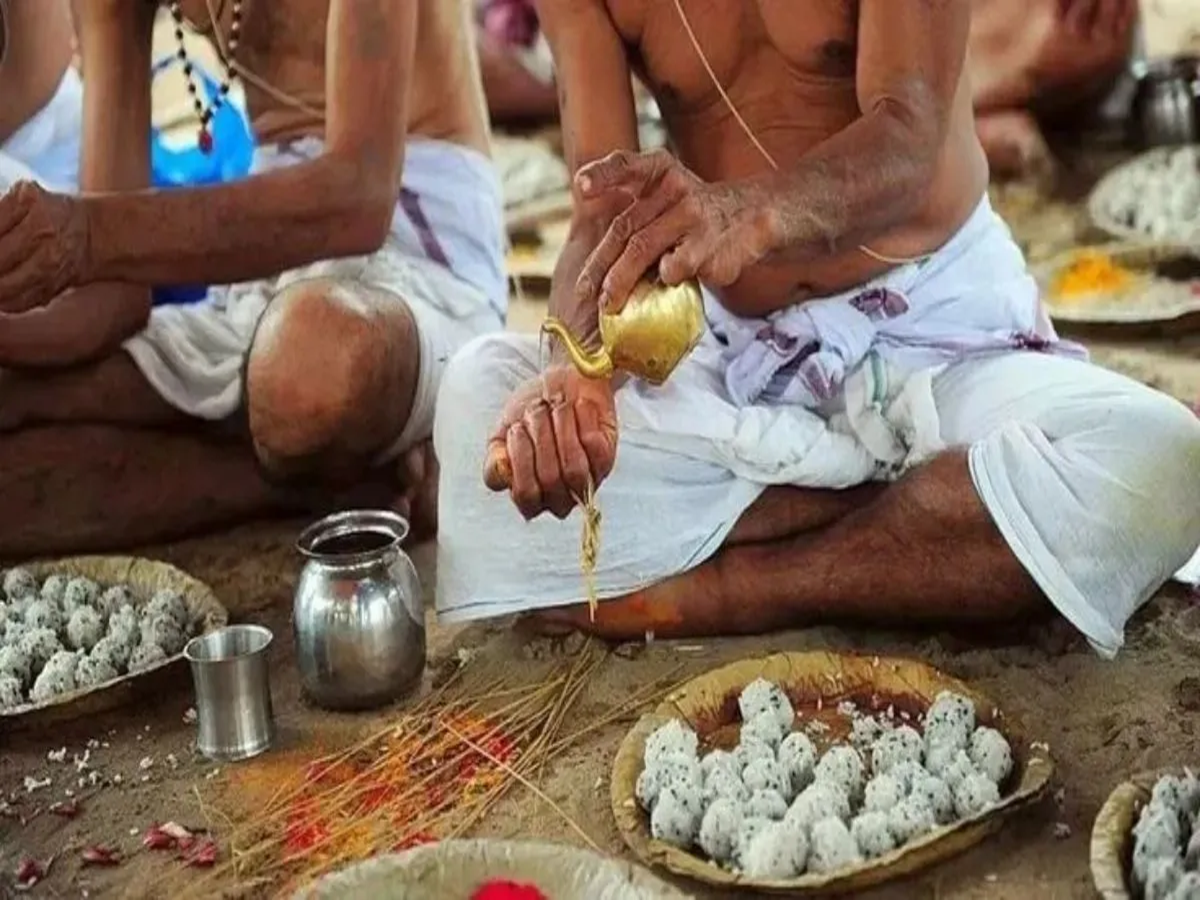
Scriptures prescribe performing Shraddha for ancestors during this specific period at holy sites such as Gaya, Pushkar, Haridwar-Kankhal, Badrinath, Prayag (Tirtharaj), or Kashi. Those unable to visit these locations should perform the ritual wherever possible—using water from a river, pond, or even a well.
What should one do if unable to donate food?
If one lacks the funds or necessary materials to host a meal, one should donate food grains according to one's capacity. If donating cooked food is not feasible, one may offer uncooked grains (*Sidha*) to a worthy Brahmin. If even that is beyond one's means, offering a small amount of sesame seeds suffices. If even that is not possible, one should mix seven or eight sesame seeds into water and offer it (*Jalanjali*) to the ancestors with reverence.
Providing fodder for a cow for a single day is also cited as an alternative form of Shraddha. In cases of poverty, the *Varaha Purana* and *Vishnu Purana* provide guidance: if unable to host a feast, one may offer uncooked food items (such as flour), wild greens, or a monetary offering (*Dakshina*) within one's means, or simply cut grass and feed it to a cow. If none of these options are possible, one should stand near a tree, raise both hands, and pray to the *Digpals* (deities of the directions) and the ancestors: "I possess neither wealth nor any other material to perform the Shraddha of my ancestors; therefore, I offer my reverent salutations to them. May my ancestors be satisfied with my devotion; I have extended these hands towards the sky—the path of the wind."
What is written in the *Skanda Purana*? The *Gobhila Smriti* states that if one has the means, one should invite a learned scholar, offer him a meal, and perform the *Parvana Shraddha*; however, if resources are limited, the ritual may be performed by offering *Naivedya* (sacred food offering) to an effigy made of *Kusha* grass.
The *Skanda Purana* declares that the *Parvana Shraddha* should be performed with devotion using whatever is available during times of travel, distress, financial hardship, illness, childbirth, or when one's wife is menstruating; however, the ancestors curse those who act stingily despite possessing the means.
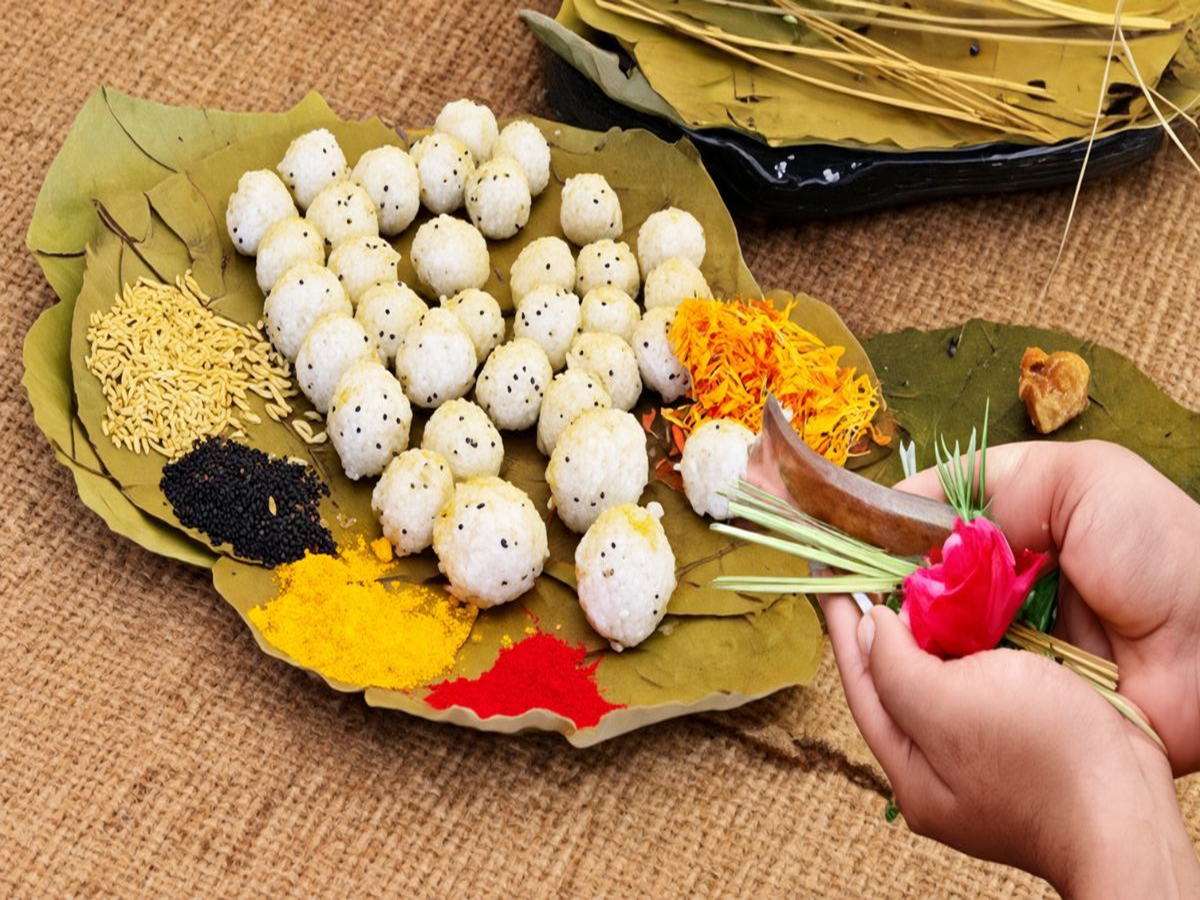
The *Ayodhya Kanda* of the *Valmiki Ramayana* recounts that while residing in the Dandakaranya forest, Rama performed the *Shraddha* for his ancestors using *Ingudi* (desert date), *Ber* (jujube), and *Bel* (wood apple) fruits. It is stated therein that one should offer to the divine ancestors the very same food that one consumes oneself.
PC Social Media