
Parenting
Parenting Tips: Restrictions on every small thing also makes children stubborn, parents should be alert on seeing these 3 symptoms..
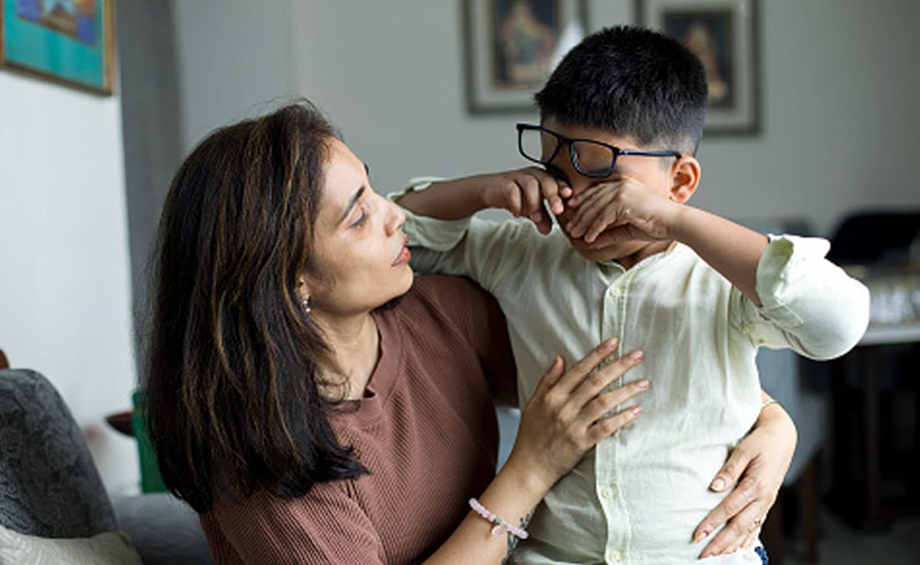
Does your child become stubborn on small matters, get angry, or not listen to you at all? Often parents feel that it is their responsibility to stop children from doing every wrong thing... and this is true! But, sometimes excessive interference (over-parenting) can make children more stubborn instead of improving them.

When children are growing up, they need freedom and some space to make their own decisions. If you interrupt them at every step, then they start being stubborn to get their point across. Gradually, this stubbornness becomes their habit, and then it becomes difficult to make them understand. Let's know
How to recognize that you are being too restrictive?
If you see these 3 symptoms in your child, then understand that there is a need to make some changes in your parenting style:
Argues on every matter
When you refuse the child something and he immediately turns around and starts arguing with you or starts answering you, then it is a warning. This may mean that he feels that you do not understand him or are taking away his freedom. They do this to vent their anger or to get their point across.
Irritated by small things
If your child has started getting irritated without any reason, or he gets very angry over small things, then the constant restrictions can be a reason behind this. When the child feels that he does not have the freedom to do something of his choice, then frustration increases in him, which comes out in the form of anger.
Lying or hiding things
When the child feels that if he tells something, he will be scolded or will be forbidden to do something, then he starts lying or hiding things. This is a sign that the child does not have full faith in you that you will understand him. They do this to protect themselves, and this habit can become a big problem in the future.
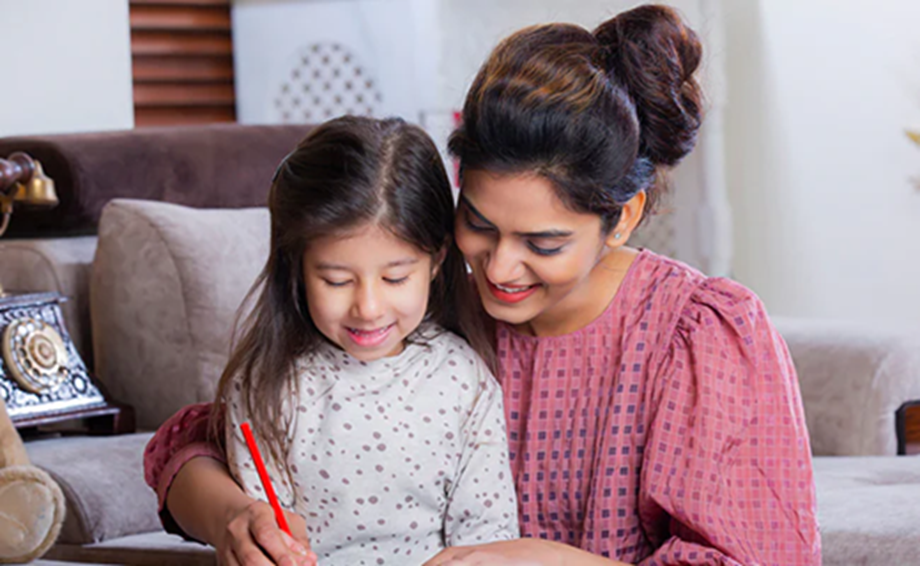
What should parents do?
If you are seeing any of these symptoms in your child, then there is no need to panic. First of all, consider your way of stopping. Do you say 'no' to everything? Do not give them freedom to do something of their choice?
Talk openly to your child. Listen to them and try to understand them.
Give them the freedom to take their own decisions in some things, even if they are small decisions. This will increase their confidence.
Make some basic rules, but do not be strict on everything. Show flexibility where necessary.
When children behave well or obey you, motivate them and praise them.
PC Social media