Parenting
Parenting: There are many disadvantages of forcing children to say sorry, parents can make them realize their mistake in these 5 ways..

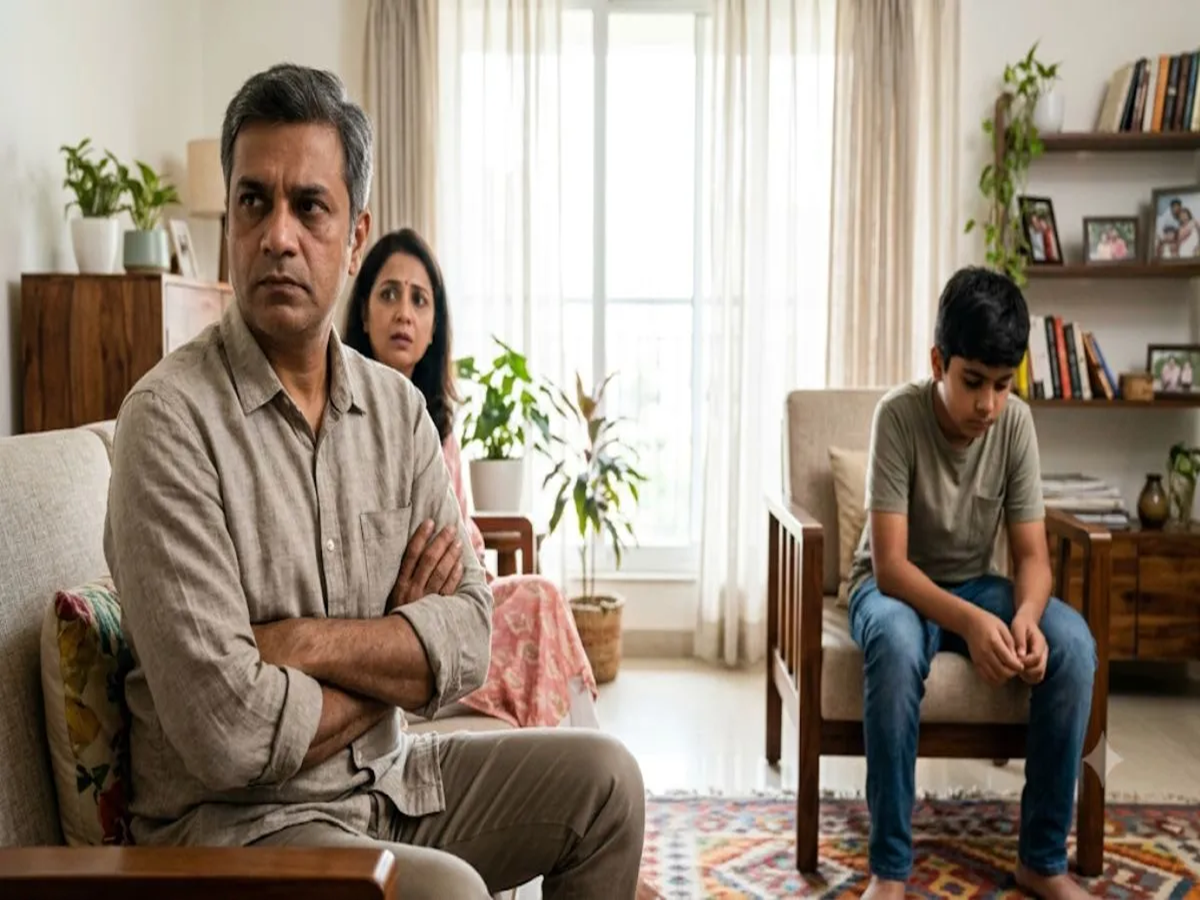
We often expect children to say sorry as soon as they commit a mistake, and when they don't, we start insisting that they say sorry by scolding or embarrassing them (Pressing Kids To Apologize), but have you ever thought about what children feel behind this coercion?

Forcing a child to apologize neither explains the true meaning of his mistake nor brings a positive attitude in him; rather, it can reduce his self-confidence and he learns to apologize only due to fear or shame, and not from a true heart.
In such a situation, the question arises of what should be done then? How to make children realize their mistake so that they apologize willingly and be careful in the future? Let us know 5 sensible ways (Ways To Teach Kids About Saying Sorry).
Explain through conversation, not by scolding.
When the child makes a mistake, first of all, sit him aside and talk to him with a calm mind. Tell him how the other person felt about his behavior. When the child understands the impact of his behavior, only then will he improve.
Example: "When you broke your sister's toy, she felt very sad. How would you have felt if this had happened to you?"
Emphasis on "correction" instead of "sorry"
Tell children that the real meaning of accepting a mistake is to improve one's behavior. Just saying "sorry" is not enough, but it is important to understand that such a mistake should not be repeated in the future.
Tip: After the mistake, say - "What can we do now so that things become okay?"
Teach by giving examples.
Children imitate elders. If they see that their parents also apologize for their mistake, then they naturally learn that apologizing is not a matter of shame, but a sign of wisdom.
Example: "Sorry son, I spoke too much in anger. Next time, I will try to remain calm."
Identify feelings
Children are often unable to express their feelings in words. Help them understand when they are angry, jealous, sad, or frustrated, and what the right thing is to do.
Say something like: "Were you angry that he took the toy? What else could we have done instead of getting angry?"

Give time, not stress
Each child has a different capacity to understand and react. Don't expect an immediate apology. Give them time to think and feel the impact of their mistake.
Be careful: Forcing them to say "sorry" will only make them repeat the word, not the feeling.
Remember, children understand the meaning of a true apology only when they are raised with love, respect, and understanding, not with scolding.
PC Social media