
Parenting
Parenting: Simply saying "don't use your phone" won't work; discover smart ways to teach balance in the world of screens..
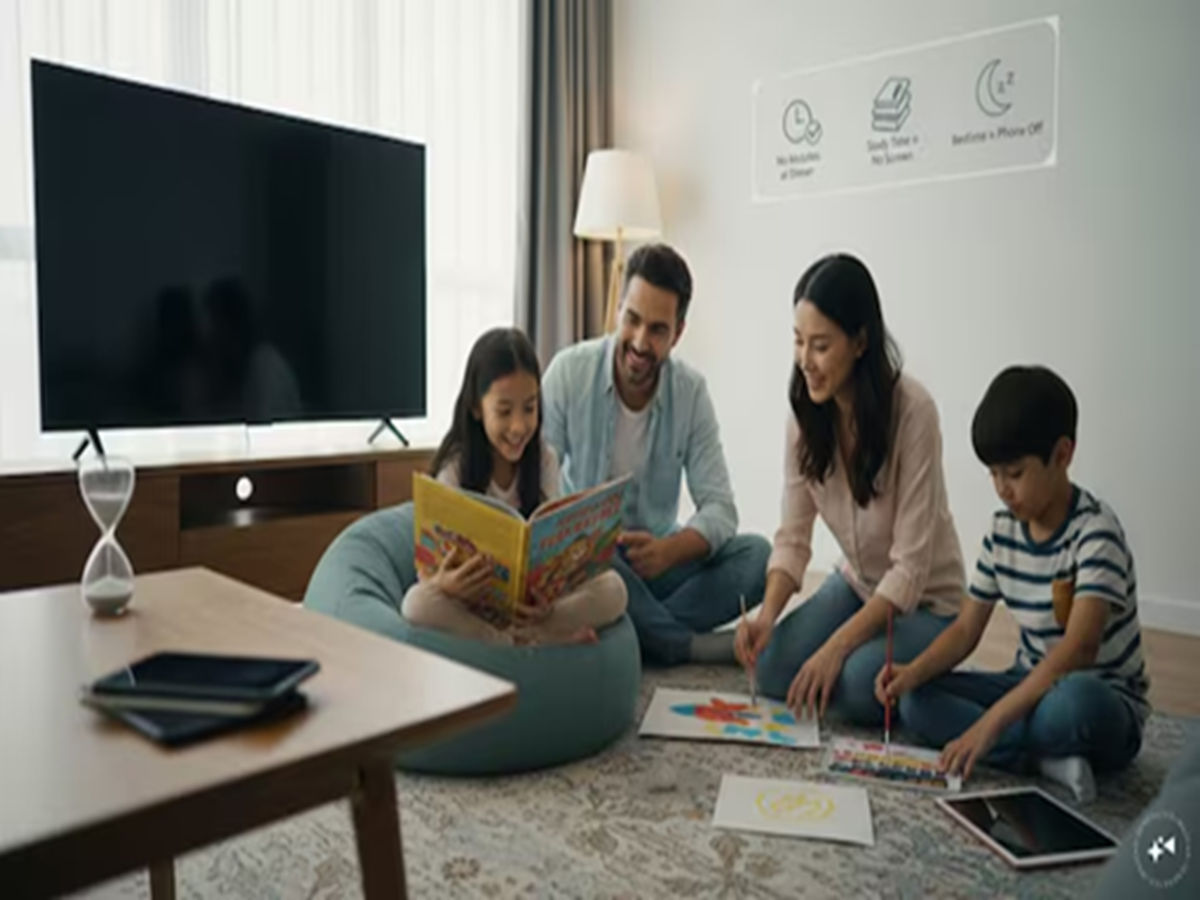
In today's digital world, mobile phones have become an integral part of children's lives. Screens play an increasing role in everything from studying and entertainment to chatting with friends and learning new things. Consequently, when parents see their children engrossed in their phones for hours, their immediate reaction is often, "Stop using the phone." But does simply saying this make children distance themselves from their mobiles? Experts believe that mere restrictions do not solve the problem; instead, children need guidance to develop healthy digital habits.
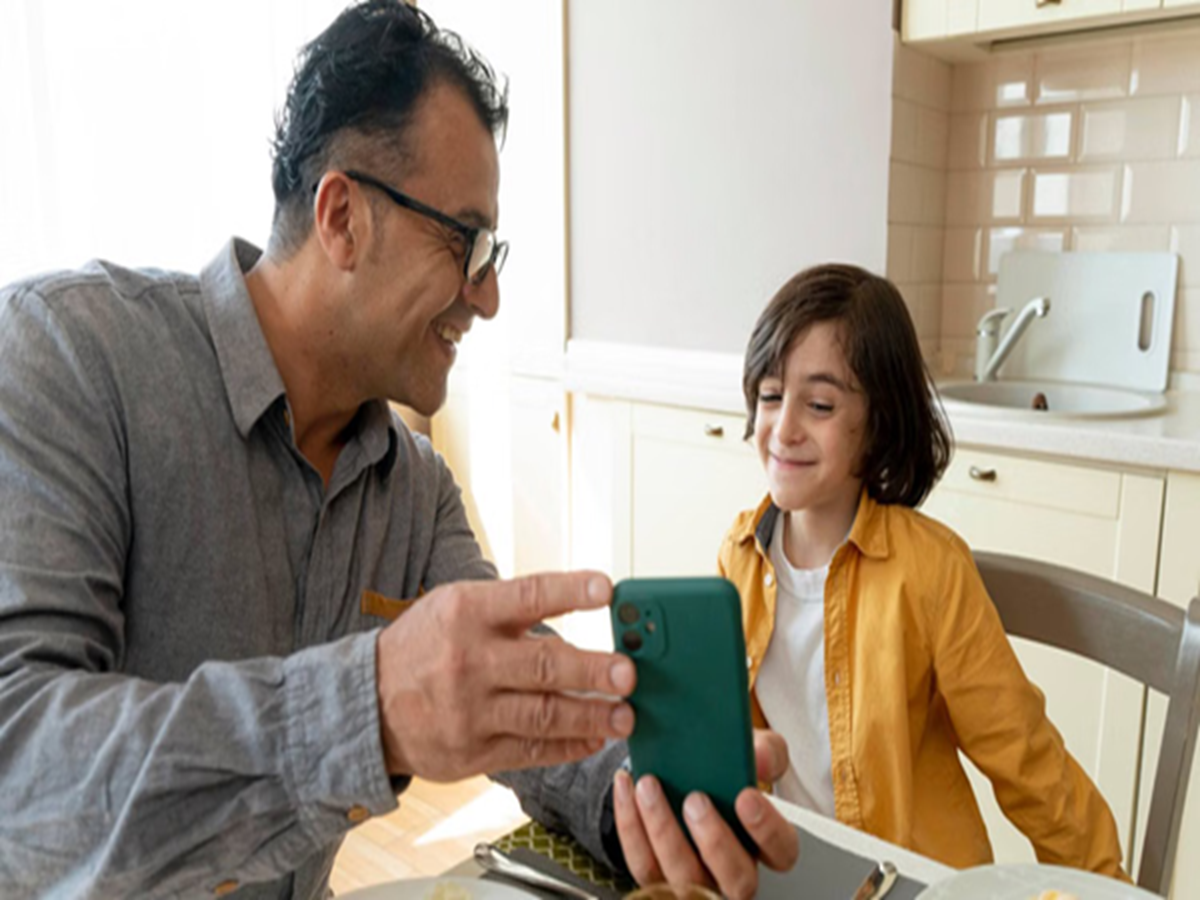
Why is simply saying "no" not enough?
For children, a mobile phone is not just a gadget but a source of entertainment and a way to satisfy their curiosity. Games, videos, and social media captivate them. If parents simply demand that the phone be turned off without explaining why, children may view it as an infringement on their freedom. This can lead to resentment or cause them to use their phones secretly. Therefore, it is essential to first understand why and for how long the child is using the phone.
Establish clear rules for screen time.
The most effective way to manage mobile usage is to set clear rules regarding screen time at home. For instance, rules can be established prohibiting phone use during mealtimes, study sessions, and before bedtime. Additionally, a specific daily time limit for phone usage can be set. When rules are established beforehand and apply equally to the entire family, children are more likely to accept them.
Parents should be role models
Children learn by observing what happens at home. If parents remain constantly engrossed in their phones, it is unrealistic to expect their children to cut down on screen time. Therefore, adults must also be mindful of their own digital habits. Spending quality time with the family, engaging in conversation, and spending periods without using a mobile phone can set a positive example for children.
Offering better alternatives is also essential
Simply taking away the mobile phone is not the solution. Children need to be offered alternatives that spark their interest in the world beyond the screen. Sports, reading books, learning music, painting, listening to stories, and outdoor activities with friends can keep children engaged and active. When children begin to enjoy creative activities, their reliance on mobile phones naturally decreases.
Communication is the most powerful tool.
It is crucial to communicate openly with children. Explain to them—with love and patience—how excessive screen time can affect their eyes, sleep, studies, and mental health. Children are more likely to understand and accept the message when it is conveyed positively, rather than through scolding or intimidation.
PC Social Media