
Parenting
Parenting: Should your child be bathed every day during the winter? One mistake can worsen coughs and fever..
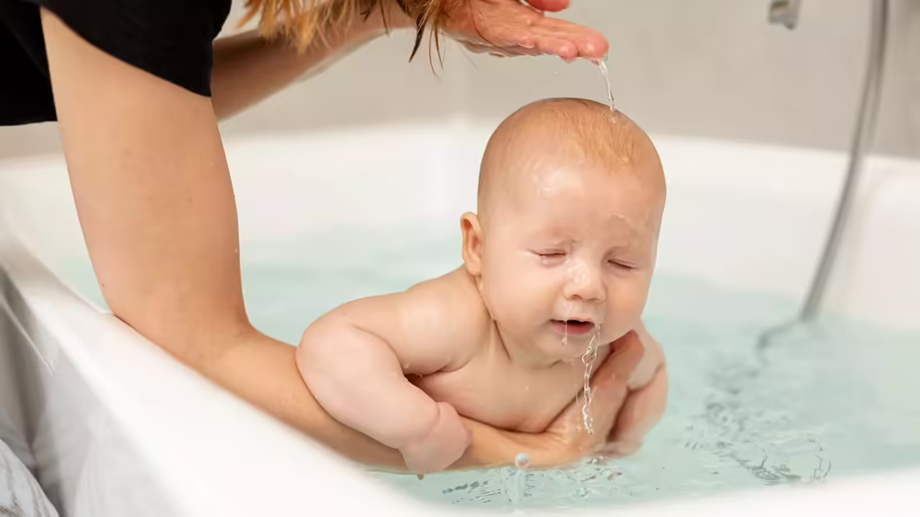
Child Winter Care Tips: It's not necessary to bathe children thoroughly with water during winter, but keeping them clean and warm is more important. Use lukewarm water, mild soap, and the right timing. With proper care, you can easily protect your child from problems like colds, coughs, and flu. In fact, keeping your child clean and warm during winter is paramount. If the method and timing of bathing are correct, it proves beneficial for the child. So, let's learn how to bathe children during winter, what precautions to take, and what small things you can keep in mind to keep your child healthy. Dr. Gaurav Agnihotri, Homeopathy, Bhopal, shares more information on this topic.
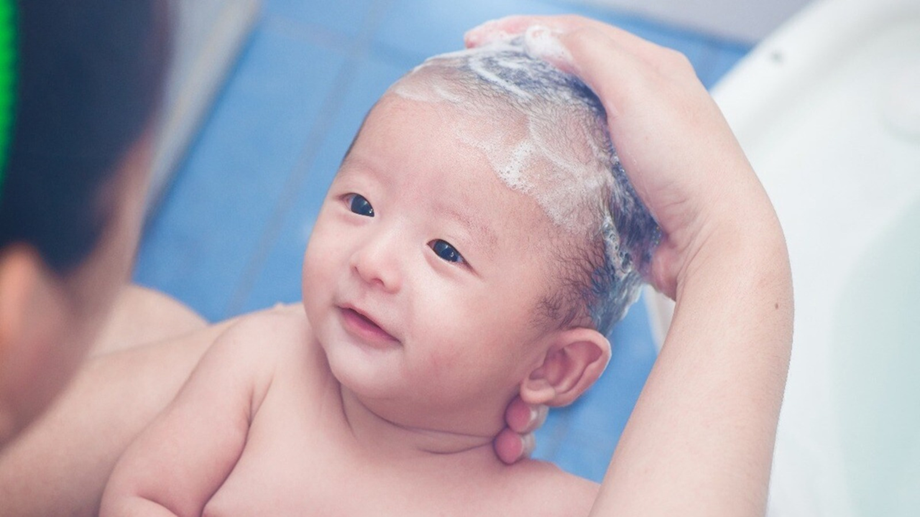
What new parents should do: Winter brings not only cold but also many challenges for young children. The biggest challenge during this season is protecting children from colds, coughs, and flu. If you're a new parent, this will be your first winter, and you'll be wondering how to protect your little one from the cold. For those with children who already suffer from colds and coughs, this season can be even more challenging.
Parental Confusion: Parents often wonder whether or not to bathe their baby in the cold. Some believe that bathing in the cold worsens the cold, while others say that bathing keeps the body clean and reduces coughs. This confusion often leads to poor decisions regarding child care.
What to Do for a Cold and Cough: First, it's important to understand that bathing isn't just about pouring water, but about keeping the baby's body clean and comfortable. Daily bathing isn't necessary during winter, but it's essential to maintain cleanliness. If your baby has a cold or a mild fever, it's best to give them a sponge bath with warm water instead of pouring water all over their body. This keeps the baby clean and prevents them from feeling cold.
Pay special attention to temperature: The water temperature is crucial when bathing. It should neither be too hot nor too cold. Touch the water with your hand and check if it feels comfortable. If the temperature is right for your baby, avoid keeping the baby in the water for long periods of time. Try to complete the entire bathing process within 5 to 7 minutes.
Before bathing: Keep the room temperature normal before bathing. Keep the windows or fan closed to prevent cold air from entering. Gently clean the baby's head and chest first. Then, clean the neck, armpits, and waist areas. These areas get dirty quickly, and moisture can cause irritation or rashes.
Soap: When choosing a soap, ensure it is baby-friendly, contains glycerin, and has a mild fragrance. Strong or chemical soaps can irritate babies' delicate skin. If your baby has sensitive skin, use a baby bath gel.
Do not wear clothes immediately: Don't dress your baby immediately after bathing. Allow 2-3 minutes for the baby to return to normal temperature. Then, dress him in soft cotton clothes and place a light cap on his head. The best time to bathe your baby in winter is between 11 a.m. and 1 p.m., when temperatures are slightly higher. Avoid bathing in the evening or at night. Remember, your baby's cleanliness and comfort are more important than bathing. Regularly cleaning your baby with lukewarm water and wrapping him in warm clothes will keep him healthy and happy throughout the winter.

What to do after bathing: Immediately dry your baby with a soft towel after bathing. Pay special attention to the neck, armpits, and behind the ears, as these areas often remain damp and are where the cold begins to affect him. Afterward, gently apply a moisturizer or baby oil to your baby's skin. Winter can dry out skin, so maintaining moisture is crucial.
PC Social Media