Parenting
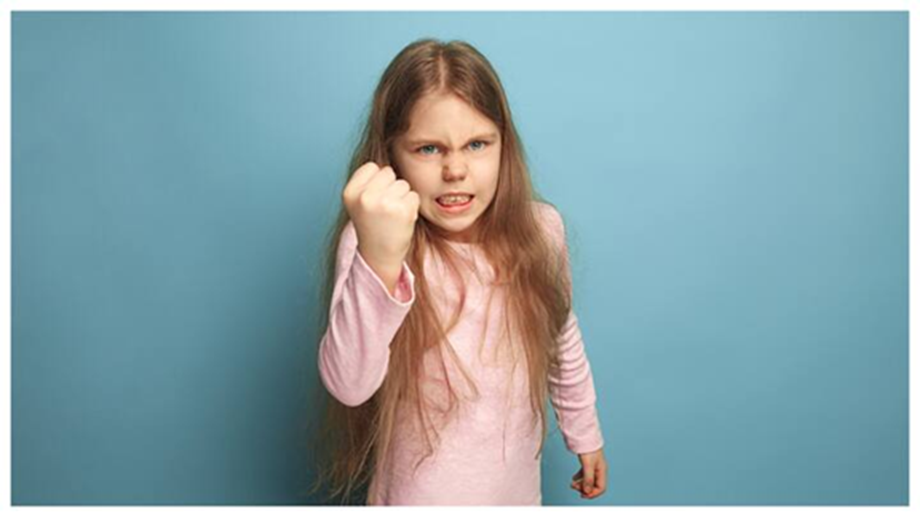
Parenting: If your child gets angry over small things, then teach him these 5 habits; he will immediately realize his mistake..

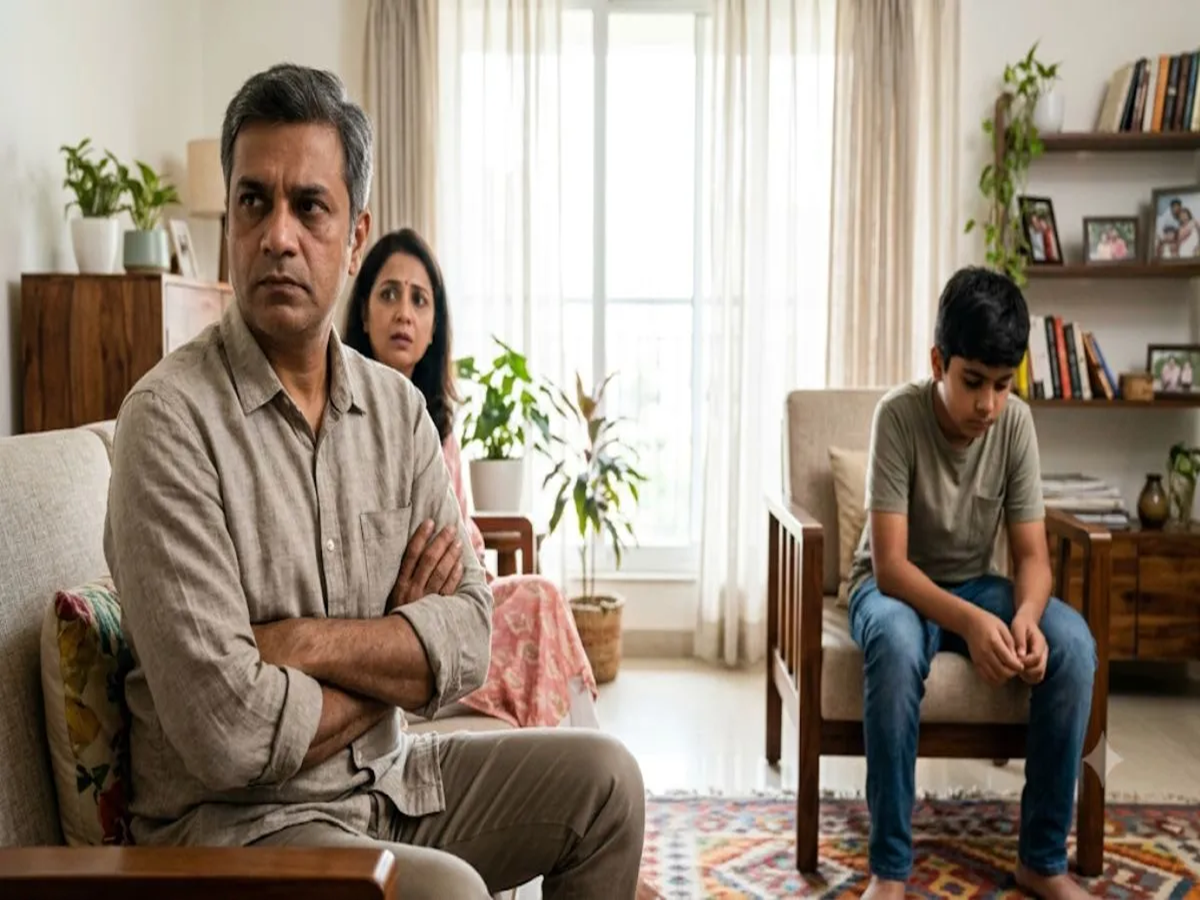
Anger is a normal emotion, but it is important that the child understands how to express anger appropriately and behave politely with others. It is very important to develop a sense of self-confidence and responsibility in children. If the child is taught to admit his mistakes and apologize, he will be able to handle his emotions and relationships better in life. So, if you want your child to be a sensible, sensitive, and responsible person, start teaching him these 5 habits. Through these habits, he will be able to control his anger and understand and correct his mistakes.
Teach to identify feelings.
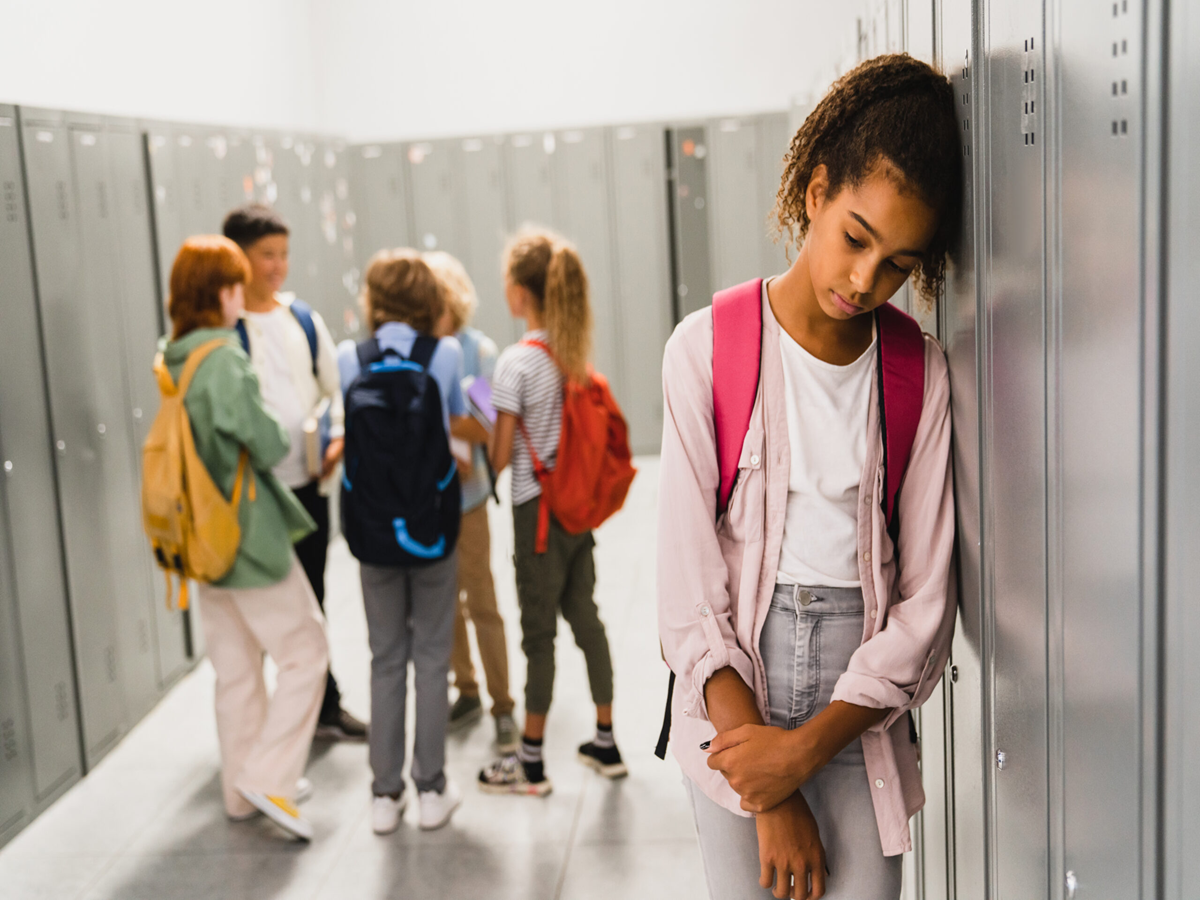
Children are often unable to express their feelings, which makes them react quickly in anger. They need to understand that anger is just an emotion and that there are many other emotions they struggle with. When children are taught about their emotions, they understand that anger is only a temporary state, which can be the result of another emotion, such as frustration, fear, or exhaustion. Therefore, it is important to teach them to identify and name their emotions correctly. For example, "Are you feeling angry?", "Are you upset?", "Are you feeling sad?". When children can identify their feelings and know how to express them, they will be able to share their thoughts and feelings through communication instead of anger.
Speak of 'apology' as wisdom, not shame.
Children often shy away from apologizing because they feel that it may weaken their image. This thinking is taught to them in the wrong way, because apologizing is not a matter of shame, but is the identity of a sensible and responsible person. When we admit our mistakes and apologize, it shows that we value our feelings and relationships. Whenever you make a mistake, apologize in front of the child, whether it is to a family member or to the child itself. For example, if you accidentally scold the child or say something wrong to someone else, then tell him, "I am sorry, I was angry and I should not have said that." This will teach the child that making mistakes is part of being human, but we can correct our mistakes by apologizing. When the child sees that apologizing is not a weakness but wisdom, he will also feel comfortable apologizing and will not hesitate to accept his mistakes in the future.
Teach calming techniques
It is normal for children to get angry, but when they react immediately in anger, it is not right for their mental and emotional development. To deal with this situation, it is important to teach children calming techniques. Teaching them that instead of reacting immediately in anger, it is better to pause for a few moments and understand their feelings, can be very beneficial. You can teach the child the technique of deep breathing or counting. For example, you can say, "Whenever you get angry, count to five and then take a deep breath." This will make the child understand the process of calming his anger and think with a cool mind before reacting. You can also do this with the child in a playful way. For example, "Now we will practice peace. Whenever you get angry, count and then say, what should be done?" Gradually, this will become a habit and the child will be able to express his thoughts without getting angry.
Take the help of positive things.
You should communicate with the child in a calm and positive language. For example, "This behavior of yours was not right, can you think what you did wrong?" Such questions motivate the child to introspect. He starts thinking about himself whether he was doing the right thing and gradually develops the habit of apologizing.
This method promotes self-responsibility and understanding in children, as well as makes them emotionally mature. By using positive and calm words, you can not only explain to your child his mistake but also show him the right way to correct it.
Be a good role model.
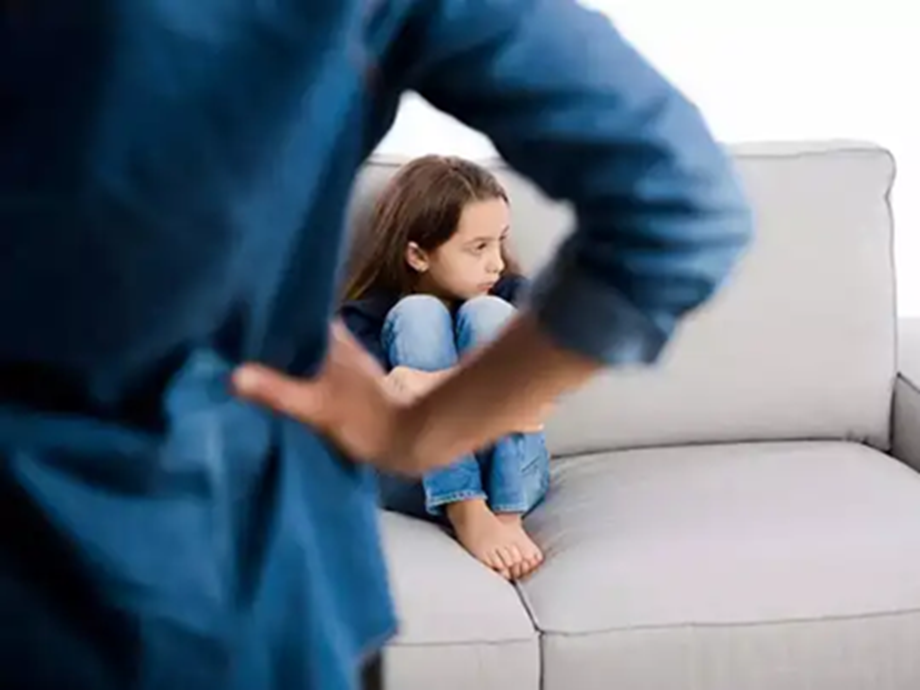
The most effective way children learn behavior and habits is from what they see at home. If the elders at home get angry, evade their mistake, or do not apologize, the child also learns the same. Children are often influenced more by actions than words, so we must set an example in our behavior. If you admit your mistake, apologize, and remain calm, your child will also adopt the same behavior. For example, when you make a mistake, apologize in front of the child and show them that admitting a mistake is not a matter of shame, but a part of wisdom and responsibility. Telling is more effective than showing. Children tend to adopt the habits they see in the behavior of their parents or other family members. So, if you become a good role model, it helps the child to imbibe the same qualities.
Teach children how to apologize.
Just saying "sorry" is not enough, it is also important to explain to children how to apologize properly. For example, when a child understands his mistake and apologizes, it can be something like this:
"I'm sorry, I broke your pencil."
"I spoke in anger, I regret it."
This will help children understand not just the words but also the feelings behind those words. Teaching them that apologizing does not only mean realizing a mistake but also learning from that mistake. This habit will help them throughout their life so that they can recognize their feelings and express them in the right way.
PC Social media