Parenting
Parenting: Don't panic when you hear your child's complaint! Here's how to respond to your teacher's feedback..

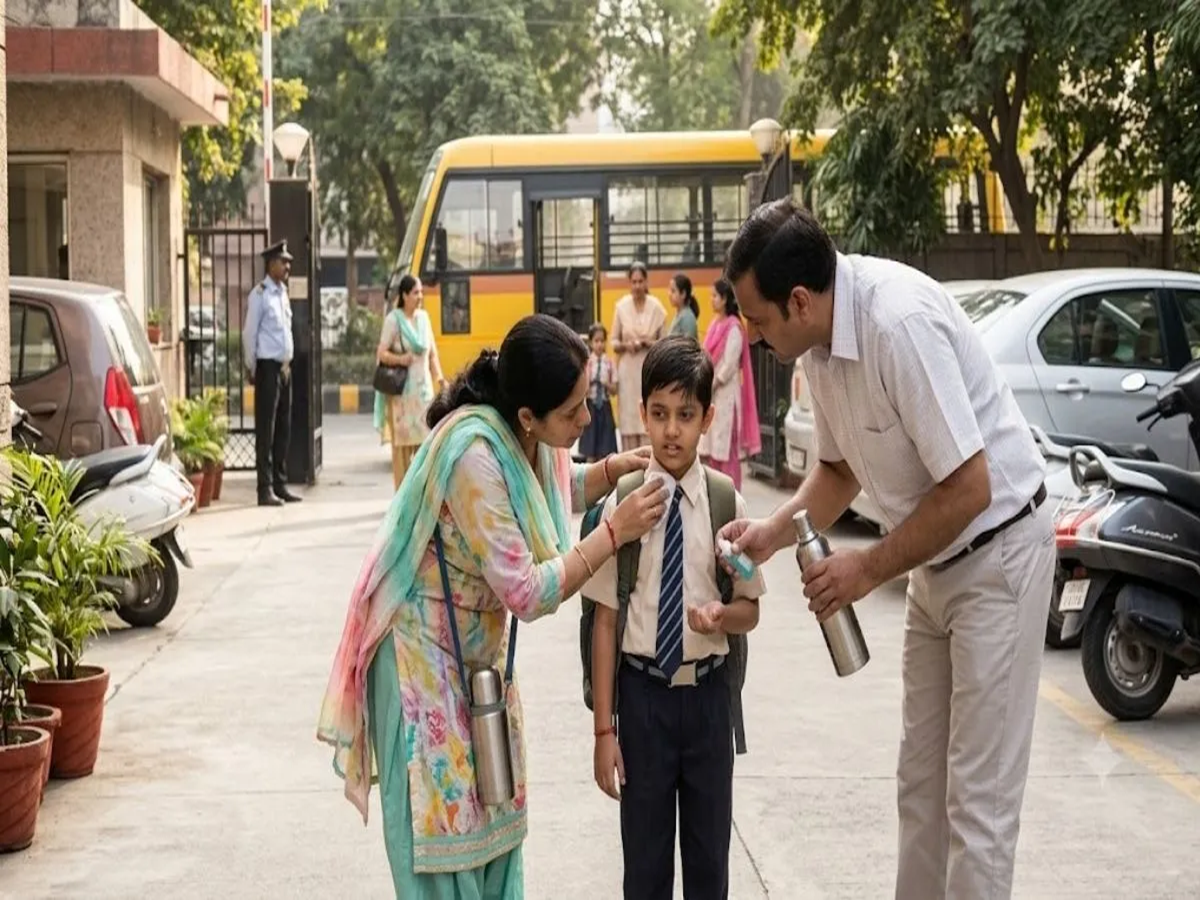
As soon as Avni sat down in front of the teacher at the school PTM, a barrage of complaints began: "Your son did this, he didn't do that..." Hearing this, Avni's face changed. She immediately tensed up and started glaring at Aarav. Right there, she demanded an explanation from Aarav, as if the entire matter had to be resolved right then and there.

But the truth is that while such a reaction may seem like a gesture of respect to the teacher or a show of a disciplined parent, it actually undermines the child's self-confidence. What a child needs most at the moment of complaint is your support, not your anger.
Usually, most parents react immediately upon hearing a child's complaint—sometimes by lashing out at the child, sometimes by questioning the teacher. But the truth is that remaining calm and responding appropriately in such situations is most beneficial for the child's self-confidence and their future.
The child isn't always wrong.
In schools these days, teachers not only teach, but also pay attention to children's behavior, their learning abilities, and their interactions in class. If a teacher expresses concern about something, it doesn't necessarily mean your child is "wrong," but rather that they need some support or guidance. This is when a parent's attitude matters.
Parents' Feedback Should Be Like This
First, don't get defensive immediately upon hearing a teacher's feedback. Often, we tend to say, "My child isn't like that," or "The teacher must have misunderstood," without even listening. But this prevents the teacher from speaking openly and doesn't reveal the real problem. It's better to listen carefully, avoid interrupting, and try to understand each point. This will show the teacher that you're taking the matter seriously.
Ask questions calmly
After this, calmly ask some questions, such as when you noticed this problem, how often it occurred, what the child's reaction was, and in what situations this behavior was observed. This way, you will not only get a clear picture, but the teacher will also feel that you want to solve the problem collaboratively.
Talking to the child this way
Now comes the matter of talking to the child. Many parents, upon hearing a complaint from the teacher, immediately start scolding the child at home. But this shuts the child down and makes them afraid to tell him the next time. So, talk to the child in a calm environment, maintaining his trust. Tell him what the teacher said, but not in a way that embarrasses him, but in a way that allows him to speak openly. Ask him, "What happened at school today?", "How did you feel?", "Are you having trouble with anything?" Children often reveal their true problems themselves, sometimes friendship problems, sometimes pressure in studies, sometimes fear, sometimes simply a misunderstanding.
Listen without judgment
When you listen to your child without judgment, it gives them confidence that their parents are there for them. Then, together, you can develop a small plan, such as changing a practice routine, talking to the teacher again, or handling a situation at school in a new way.

The benefits of the entire process
The real benefit of this entire process is that the child learns that problems are not to be feared, but to be solved. They gain confidence, improve their communication skills, and feel safe.
Remember that teacher feedback is not an accusation, but an opportunity to further your child's development. Simply listen, support, and empower them; they will improve on their own.
PC Social Media