LIFESTYLE
Navratri 2026: Which nine goddesses are worshipped during Navratri? How did they originate, and how did they get their names?
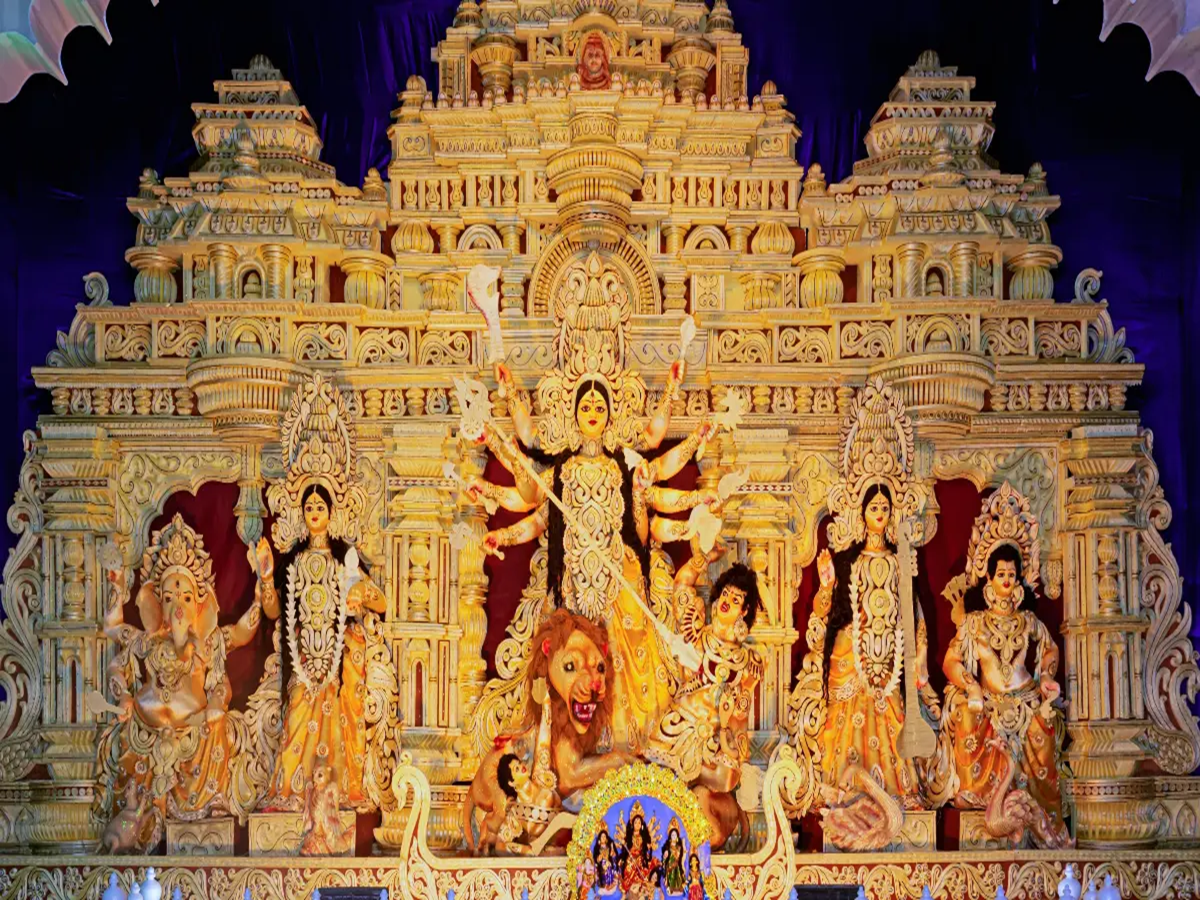
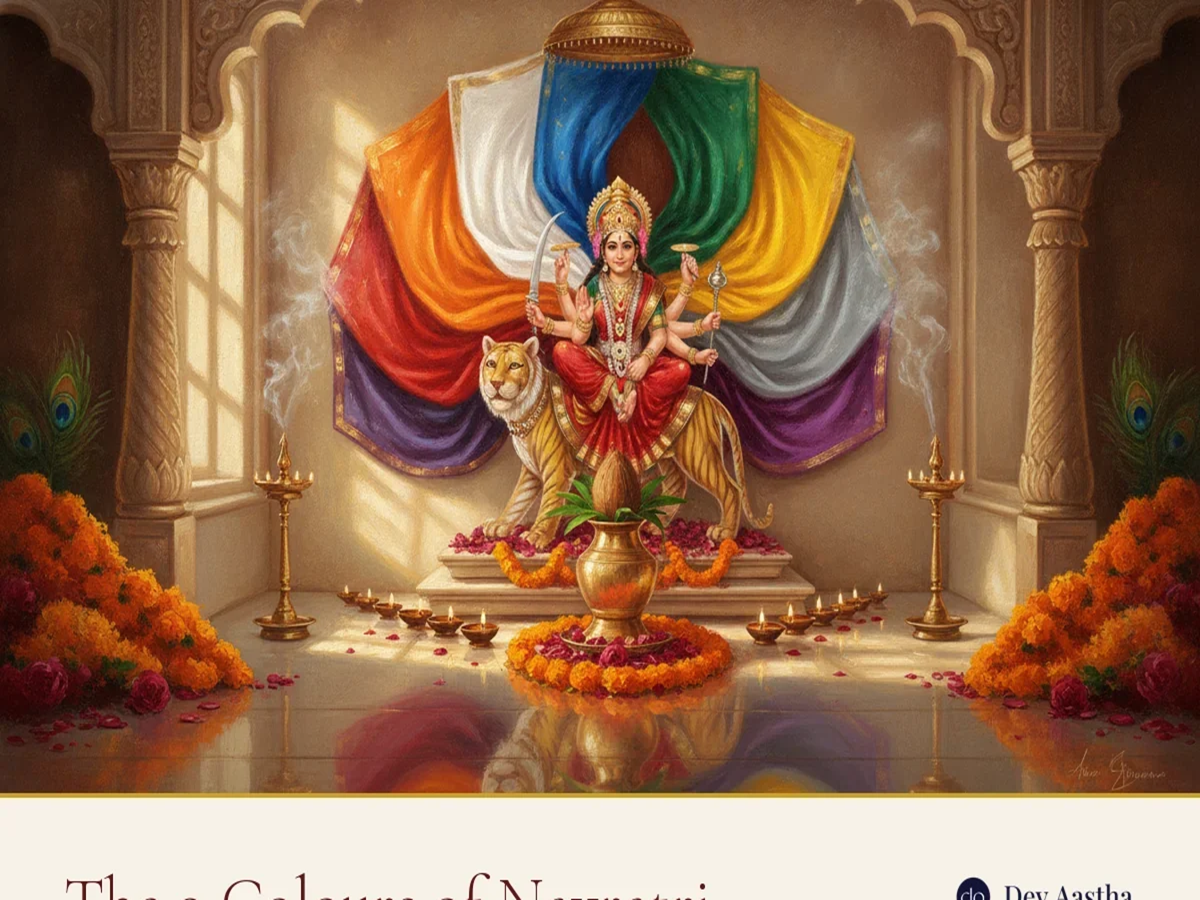
Navratri 2026: Who are the Navdurga? During Navratri, the nine forms of Goddess Durga are worshipped. Worshipping these nine goddesses from *Ashwin Shukla Pratipada* (the first day of the bright fortnight of the Ashwin month) to *Mahanavami* not only fulfills various wishes but also pacifies planetary influences. The story behind the origin of Goddess Durga's nine forms is fascinating. The *Devi Bhagavata Purana* details how they received their names and the blessings bestowed upon their worshippers. Whenever the tyranny of *Asuras* (demons) escalated across the three worlds, Goddess Durga incarnated to slay them and uphold *Dharma* (righteousness). Let us explore the origins and naming of the nine forms of Durga.
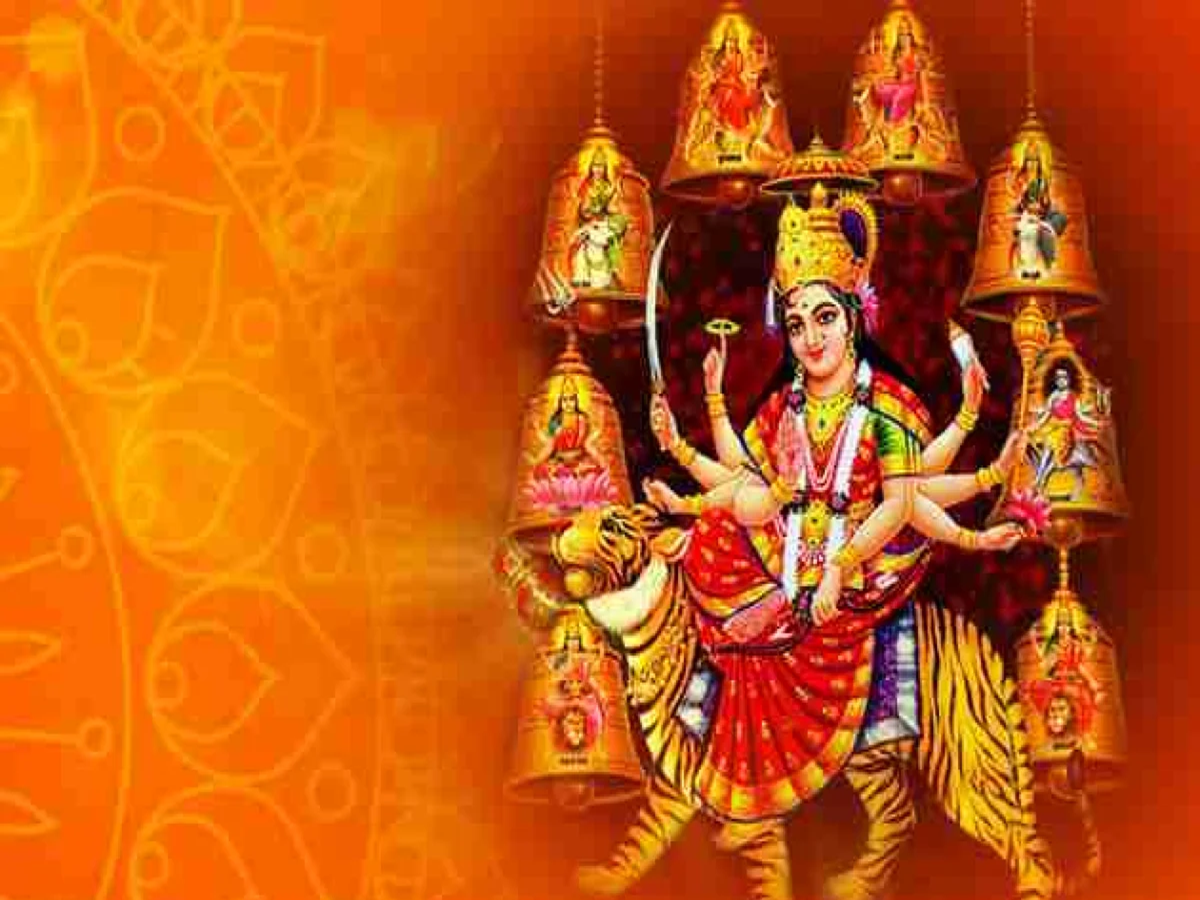
**Origins, Names, and Blessings of the Nine Goddesses**
**First Goddess: Maa Shailaputri**
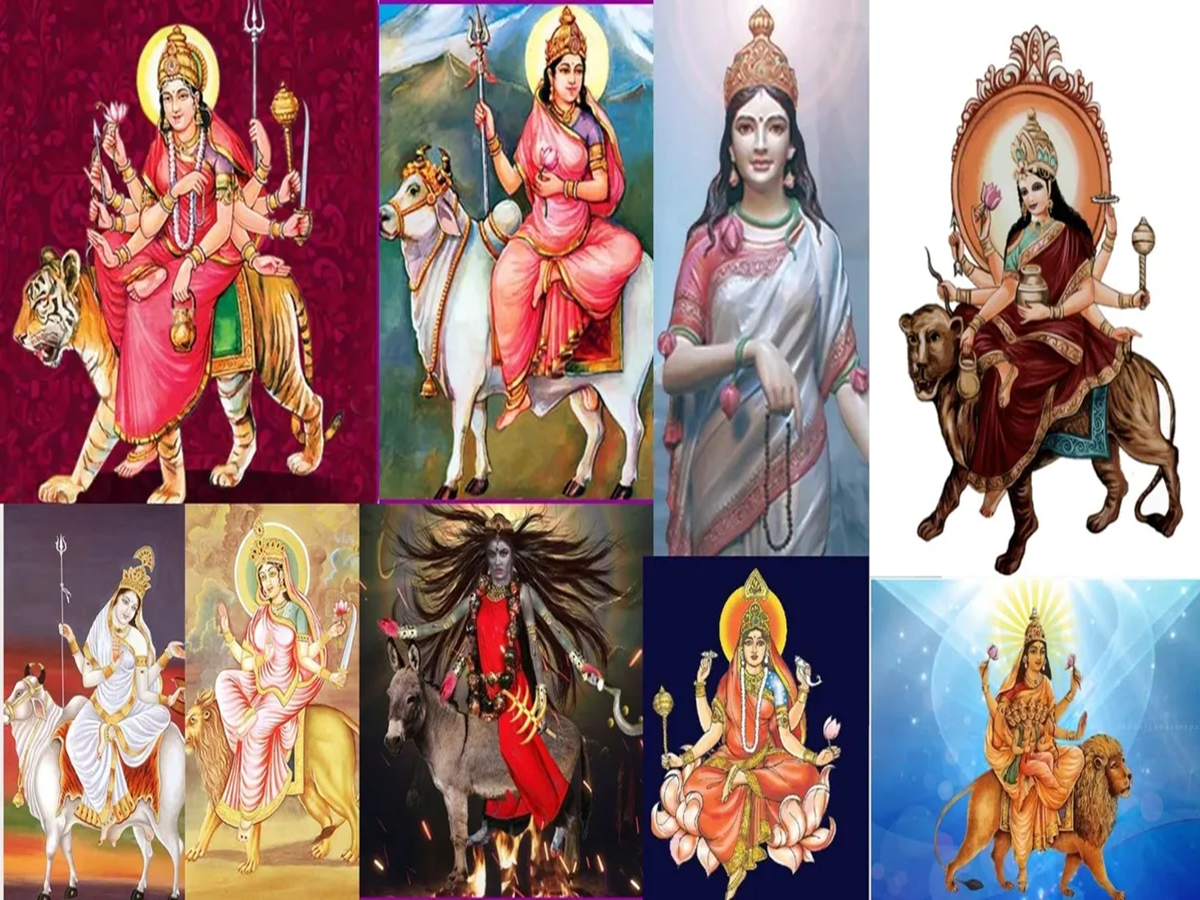
Maa Shailaputri is the first form of Goddess Durga, worshipped on the first day of Navratri. She is the first of the *Navdurga*. When Prajapati Daksha insulted her husband, Lord Shiva, Sati immolated herself in the sacrificial fire (*Yajna*). Subsequently, she was born as the daughter of King Himalaya. She was named Shailaputri because she was the daughter of *Parvataraj* (King of Mountains) Himalaya; she is also known as Goddess Parvati. Her *Vahana* (mount) is the bull. She holds a *Trishul* (trident) in her right hand and a lotus in her left. Worshipping her brings happiness and prosperity and alleviates *Chandra Dosha* (lunar afflictions in the horoscope).
**Second Goddess: Maa Brahmacharini**
Maa Brahmacharini is the second form of Goddess Durga. Following the counsel of Sage Narada, Parvati vowed to attain Lord Shiva as her husband and performed severe penance for thousands of years. During this time, the Goddess appeared clad in white, holding a rosary (*Japa Mala*) in her right hand and a *Kamandalu* (water pot) in her left. She was named Brahmacharini in recognition of her severe penance and ascetic nature. Worshipping her fosters detachment (*Vairagya*), celibacy (*Brahmacharya*), and firm resolve, while also remedying *Mangal Dosha* (Mars-related afflictions) in the horoscope.
The Third Goddess: Maa Chandraghanta
Maa Chandraghanta is the third manifestation of Maa Durga. She emerged from the combined radiance of Brahma, Vishnu, and Mahesh and slew the demon Mahishasura. This is a martial form of the Goddess. She bears a bell-shaped crescent moon on her forehead, which is why she is named Chandraghanta. Possessing ten arms, she rides a lion and wields various weapons. Worshipping her enhances strength, valor, and courage, while also alleviating *Shukra Dosha* (afflictions related to the planet Venus).
The Fourth Goddess: Maa Kushmanda
Maa Kushmanda is worshipped on the fourth day of Navratri; she is the fourth manifestation of Durga. She created the universe with just a gentle smile. This eight-armed Goddess, who wears a soft smile, bestows the *Ashta Siddhis* (eight spiritual powers) and rides a lion. She is fond of the offering of a *Kumhada* (ash gourd or pumpkin), which is why she is called Kushmanda. Worshipping her brings status, prestige, longevity, and good health, and resolves *Surya Dosha* (afflictions related to the Sun).
The Fifth Goddess: Maa Skandamata
Maa Skandamata is the fifth manifestation of Maa Durga. The form of Skandamata emerged when Skandakumar—also known as Lord Kartikeya—was born to Lord Shiva and Goddess Parvati to slay the demon Tarakasura. She is named Skandamata because she is the mother of Skandakumar. Possessing four arms, she sits upon a lotus flower with Skandakumar in her lap. Devotees worship her to be blessed with children and other forms of happiness. Her grace remedies *Budh Dosha* (afflictions related to the planet Mercury) in one's horoscope.
The Sixth Goddess: Maa Katyayani
Maa Katyayani is worshipped on the sixth day of Navratri; she is the sixth manifestation of Maa Durga. When the sage Katyayan performed penance to the Supreme Power (*Parashakti*), the Goddess incarnated as his daughter. She was named Katyayani because she was the daughter of Sage Katyayan. Maa Katyayani slew the demon Mahishasura. Possessing a radiant golden complexion, the Goddess bears weapons in her four arms and rides a lion. Worshipping Maa Katyayani grants strength and eliminates *Guru Dosha* (afflictions related to the planet Jupiter).
The Seventh Goddess: Maa Kalaratri
Maa Kalaratri is the seventh incarnation of Maa Durga. The Goddess assumed this fierce form to slay the demons Shumbha, Nishumbha, and Raktabija. Riding a donkey, she has a dark complexion, disheveled hair, and wears a glowing white garland around her neck. She is named Kalaratri because she brings an end to *Kaal* (time/death) and dispels darkness. She is the Goddess of war. Worshipping her grants victory over enemies and eliminates *Shani Dosha* (afflictions related to the planet Saturn).
The Eighth Goddess: Maa Mahagauri
Maa Mahagauri is the eighth manifestation of Goddess Durga. After performing severe penance for thousands of years, the Goddess's body had turned dark and frail. Subsequently, through the grace of Lord Shiva, she attained an extremely fair complexion, earning her the name Mahagauri. Seated upon a bull, Maa Mahagauri possesses four arms. Worshipping her brings happiness, prosperity, and excellent health, and also alleviates *Rahu Dosha* (malefic effects of the planet Rahu).
The Ninth Goddess: Maa Siddhidatri
Maa Siddhidatri is worshipped on the final day—the ninth day—of Navaratri. It was from Maa Siddhidatri that Lord Shiva attained all eighteen types of *Siddhis* (supernatural powers), such as *Anima*, *Mahima*, and *Garima*. It was through her grace that Lord Shiva assumed the *Ardhanarishvara* form. She is named Siddhidatri because she bestows all forms of *Siddhis*. Seated on a lotus and a lion, the Goddess holds a *Chakra* (discus), *Gada* (mace), *Shankha* (conch shell), and a lotus in her four arms. Worshipping her grants all *Siddhis* and removes *Ketu Dosha* (the malefic effects of the planet Ketu).