LIFESTYLE
Navratri 2026: Is it right or wrong to sleep near the *Akhand Jyoti* during Navratri? What do religious rules say?
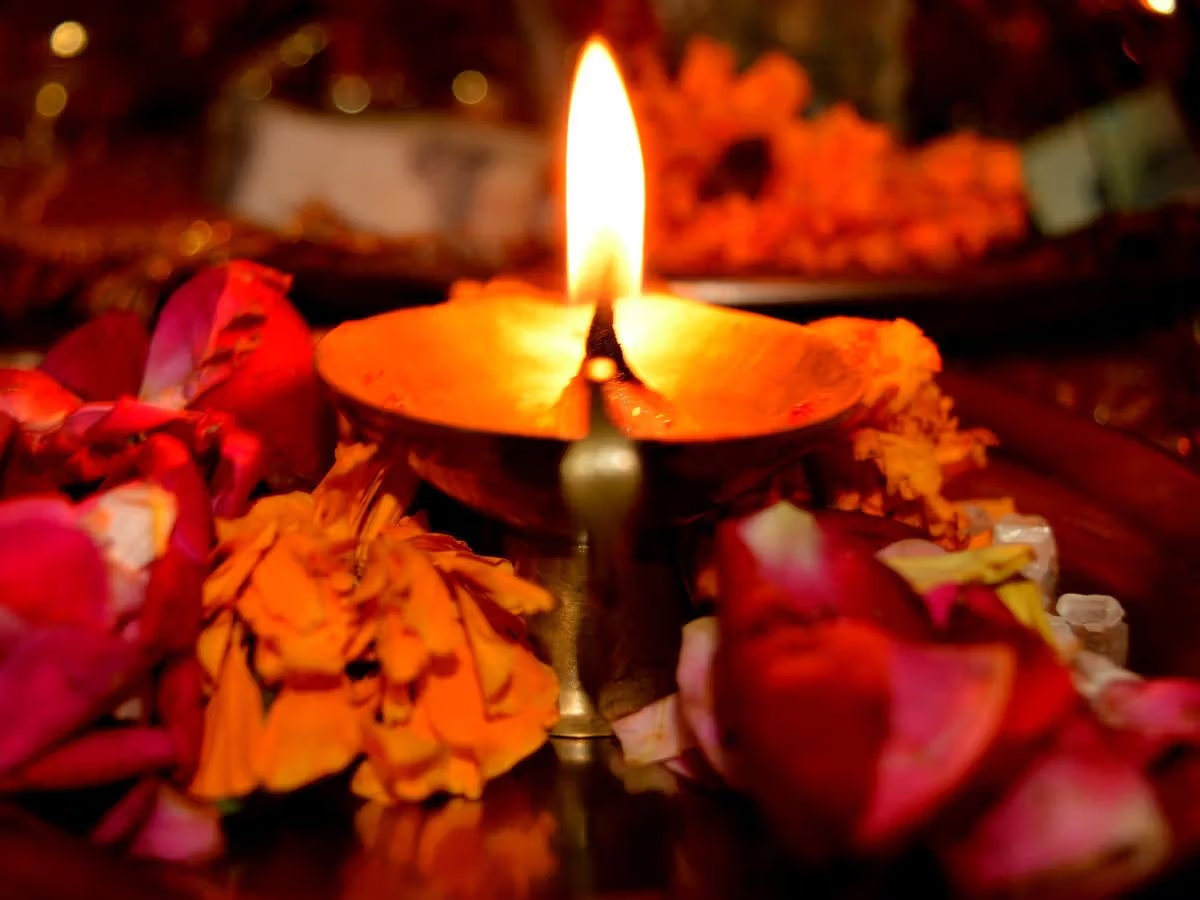
Sharadiya Navratri holds special significance in Hinduism. During this period, the nine forms of Goddess Durga are worshipped with prescribed rituals. Devotees observe fasts to please the Goddess and light an *Akhand Jyoti* (an eternal, unbroken flame) in their homes and temples. According to religious beliefs, the *Akhand Jyoti* symbolizes devotion, faith, and positive energy. Consequently, devotees who light this flame for the nine days of Navratri often wonder whether it is appropriate to sleep near it. If you are also unsure about this, let us explore the guidelines regarding sleeping near the *Akhand Jyoti* according to religious beliefs.
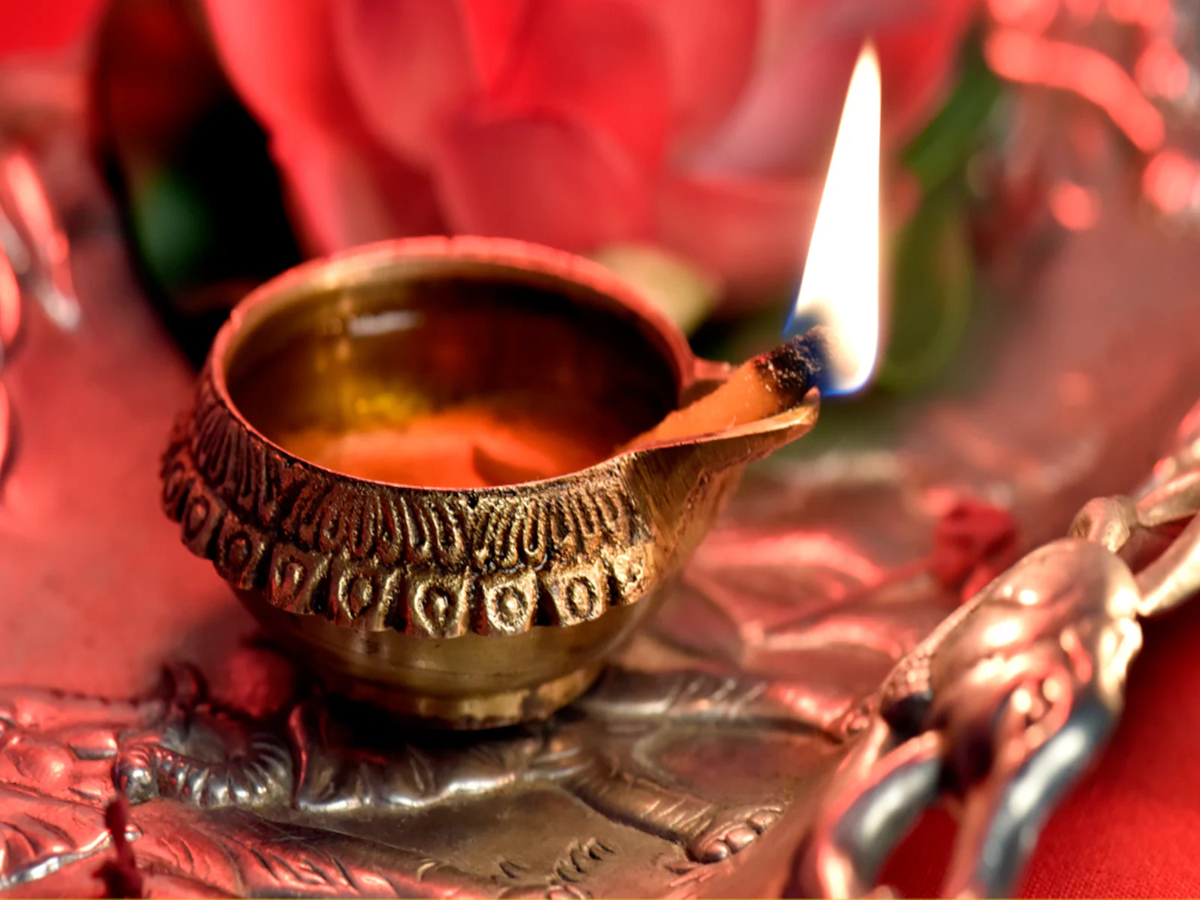
This year, Sharadiya Navratri begins on October 11, 2026, and concludes on October 19 with Vijayadashami. According to Pandit Kalki Ram, an astrologer from Ayodhya, lighting the *Akhand Jyoti* during Navratri holds immense religious importance. There is a tradition of keeping it burning continuously for all nine days. However, beliefs regarding sleeping near the *Akhand Jyoti* may vary across different families and traditions. While worshipping, it is essential to prioritize safety alongside devotion.
What is *Akhand Jyoti*?
'*Akhand*' means continuous or unbroken, and '*Jyoti*' refers to light or a flame. During Navratri, devotees light the *Akhand Jyoti* to worship Goddess Durga. Religiously, it is considered a symbol of knowledge, wisdom, faith, and auspiciousness. Devotees pray that just as the flame remains continuously lit, happiness, peace, and prosperity may also endure in their lives. Those who light the *Akhand Jyoti* strive to keep the flame safe and burning throughout Navratri.
Things to keep in mind while sleeping near the *Akhand Jyoti*
Religious traditions involve a vow to keep the *Akhand Jyoti* burning continuously; therefore, regular monitoring is essential. If you are lighting a sacred lamp (*Jyoti*) at home, ensure that a responsible person periodically checks on it. However, exercising special caution regarding fire safety—especially while sleeping or leaving the house—is essential.
**Do not sleep with your feet stretched out towards the lamp**
According to certain religious beliefs, sleeping with one's feet pointing towards the place of worship is considered inappropriate. Therefore, if you rest in the room where the *Akhand Jyoti* (eternal flame) is lit, maintain respect for the sacred space. This practice is observed in accordance with religious faith and tradition.
Cleanliness must be maintained in the area where Goddess Durga is worshipped and the *Akhand Jyoti* is lit. Keep the worship materials organized and do not allow clutter or dirt to accumulate nearby. During Navratri, devotees strive to adopt a *Sattvic* (pure) lifestyle and focus their minds on worship and prayers.
**The practice of sleeping on the floor**
In some religious traditions, sleeping on the floor during Navratri is considered an act of penance, self-restraint, and spiritual discipline. However, this rule is not mandatory for all devotees; one may observe it based on their physical health and family traditions.
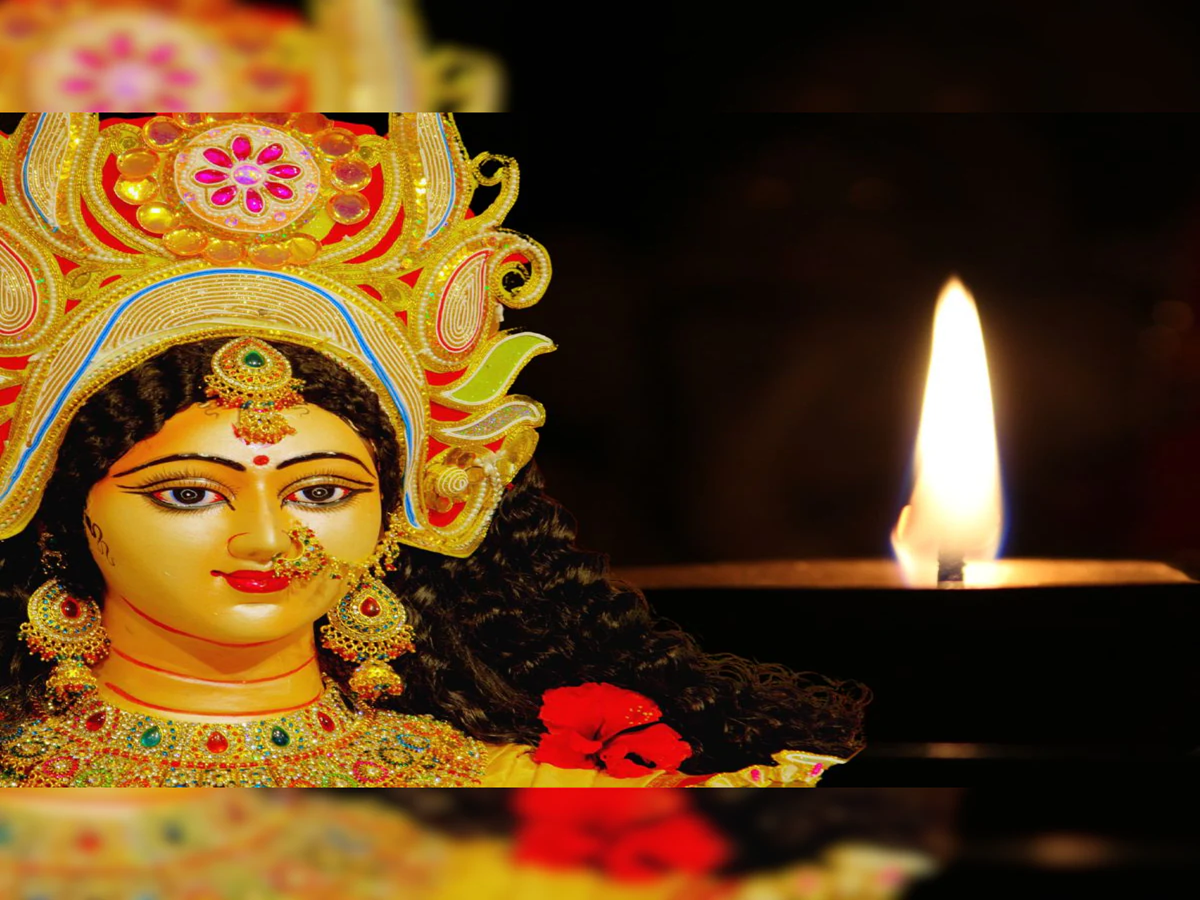
**Safety is crucial when lighting the *Akhand Jyoti***
Choose a stable and fire-resistant spot to light the *Akhand Jyoti*. Keep it away from curtains, bedding, paper, and other flammable materials. Place the lamp in a secure location where it cannot be knocked over accidentally. In particular, do not leave an open flame unattended while sleeping. Adhering to safety guidelines alongside religious observance is of utmost importance.
PC Social Media