
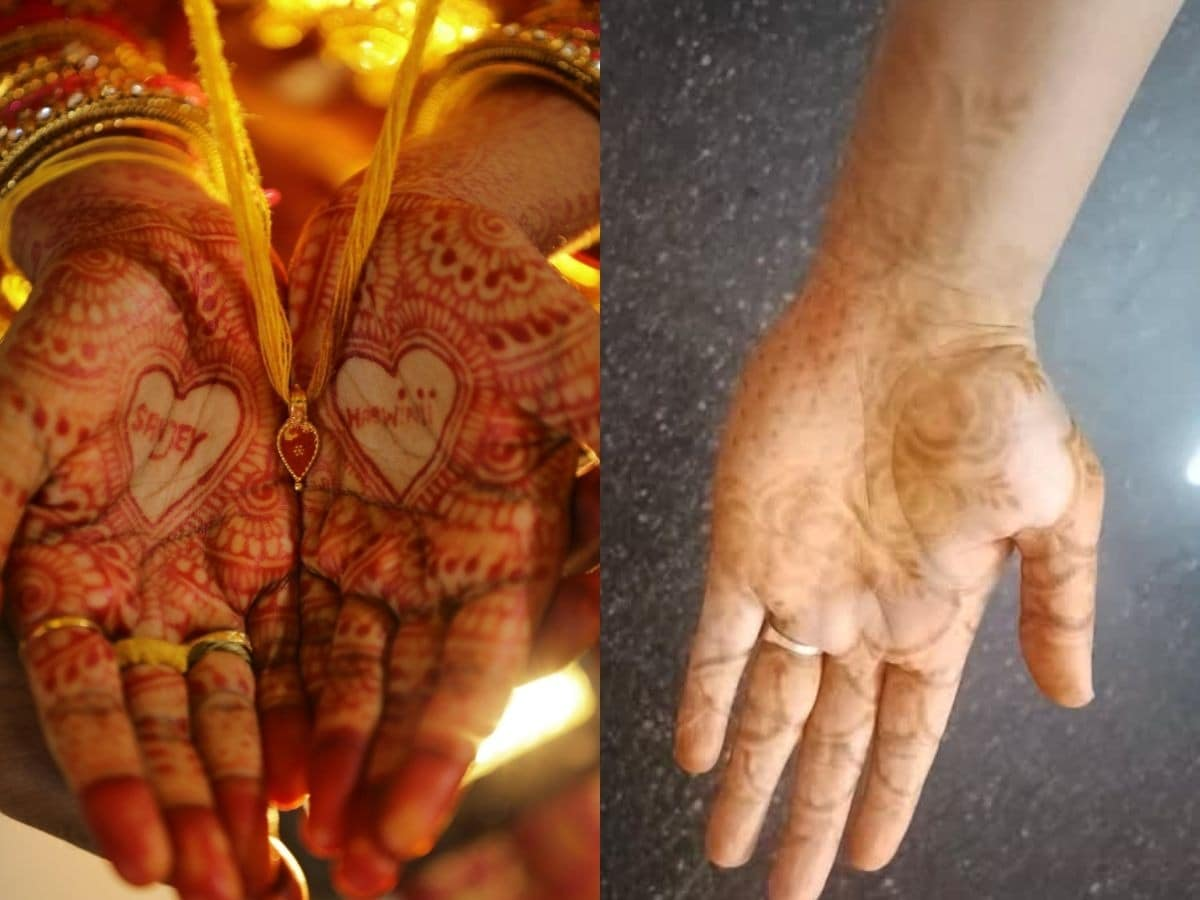
How to Darken Mehndi Color: Mehndi is not just a traditional way to enhance the beauty of one's hands; it is also an integral part of the joy associated with festivals and special occasions. Women love applying Mehndi to their hands and feet for weddings, Karwa Chauth, Teej, Eid, and other special events. However, the color sometimes does not turn out as dark as expected. In such cases, simple home remedies can help the Mehndi stain develop a richer, darker hue.

The color of Mehndi does not usually darken immediately after application; the stain gradually deepens as it oxidizes over time. Therefore, proper aftercare is crucial. Keeping the Mehndi on the hands for an extended period after it dries, removing it gently, and avoiding immediate contact with water are some simple measures to ensure a good stain.
Additionally, it is essential to ensure your hands are clean and dry before application. A thick layer of oil or cream can interfere with the Mehndi's contact with the skin. Some people also prefer applying a light natural oil after the Mehndi has dried. However, it is always advisable to perform a patch test on a small area of skin before trying any home remedy.
Easy hacks to darken Mehndi color
1. Give the Mehndi enough time
Do not rush to remove the Mehndi immediately after application.
Allowing the paste to dry thoroughly and remain on the skin for a longer period helps the color develop better.
2. Avoid water after the Mehndi dries
Refrain from soaking your hands in water for a few hours after removing the Mehndi.
Frequent contact with soap and water can cause the initial stain to fade.
3. Keep hands clean before application
Wash and thoroughly dry your hands before applying Mehndi.
Avoid applying layers of cream, lotion, or excessive oil.
4. Do not rub off the Mehndi
It is better to remove the dried Mehndi by gently scraping it off or rubbing your hands together.
Try to remove the paste using a dry method rather than washing it off with water immediately.
5. Use of natural oil
After removing the henna, a small amount of oil—such as coconut or mustard oil—can be applied.
Those with sensitive skin should definitely perform a patch test first.
PC Social Media