Food & recipe
Make a royal-tasting halwa using the season's remaining mangoes; the recipe is so easy that anyone can make it.
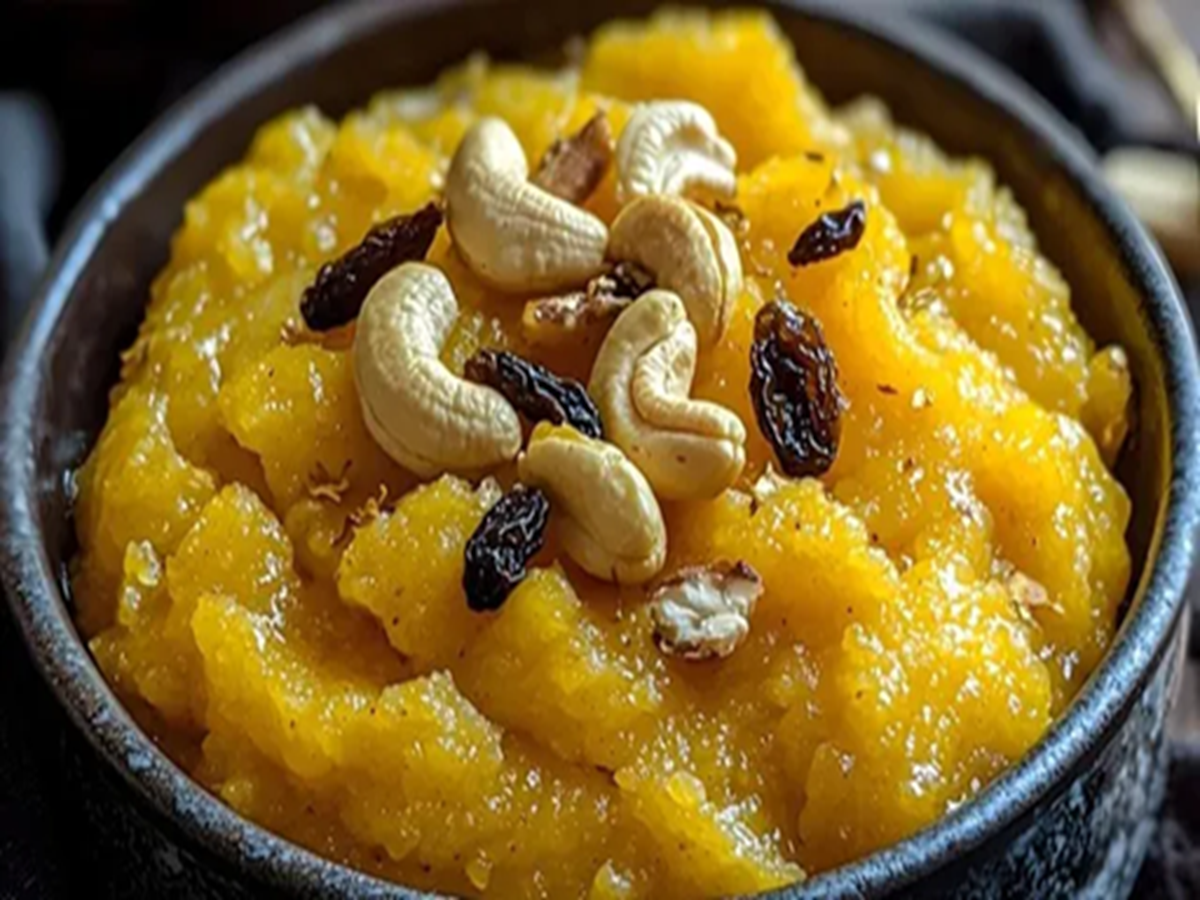
Mango Halwa Recipe: Every year, people eagerly await the sweetness of mangoes during summer; however, as the season draws to a close, some mangoes become so ripe that slicing and eating them directly becomes difficult. Instead of discarding these soft, over-ripe mangoes, you can transform them into a delicious *halwa*. The natural sweetness of the mango, combined with semolina (*sooji*) roasted in *desi ghee* and the aroma of cardamom, makes this dessert truly special.
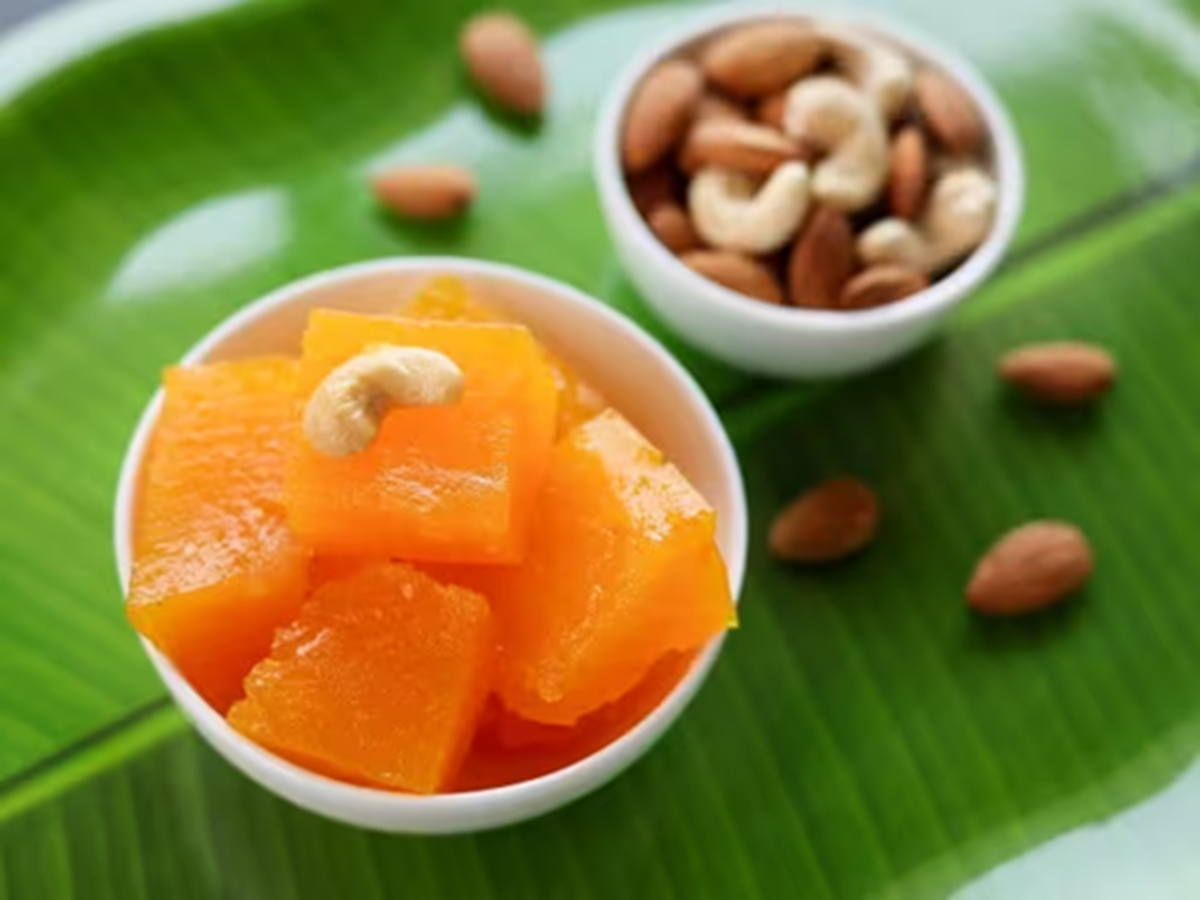
The best part is that it requires neither an extensive list of ingredients nor hours spent standing in the kitchen. Cooked over a low flame, this mango *halwa* turns out golden in appearance and incredibly soft in texture. Adding roasted cashews on top further enhances its flavor.
Make delicious *halwa* with the season's last mangoes
Mangoes available towards the end of the season are often very ripe, soft, and sweet—making them perfect for this recipe. Start by scooping out the pulp of the ripe mangoes and blending it into a smooth puree. If the mangoes are very sweet, you can reduce the amount of sugar slightly.
Ingredients required for the *halwa*
You will need one cup of ripe mango puree, half a cup of semolina (*sooji*), a quarter cup of *desi ghee*, half a cup of sugar, one cup of lukewarm water, a quarter teaspoon of cardamom powder, and two tablespoons of coarsely chopped cashews. The ingredients are simple, yet the resulting flavor is exceptional.
How to prepare Mango *Halwa*
Begin by heating the *ghee* in a wide pan. Add the chopped cashews and roast them until they turn light golden; then, remove them and set aside. Next, add the semolina to the same *ghee* and roast it over medium heat for about five to six minutes, stirring continuously. When the semolina turns light golden and releases a pleasant aroma, it is perfectly roasted. Now, slowly pour in the lukewarm water while stirring constantly. This step requires attention, as pouring the water all at once can cause lumps to form. The semolina will absorb the water and swell, and the mixture will gradually begin to thicken.
Tips for adding the mango puree
Now, add the mango puree and sugar to the mixture. Keep the heat low and cook for about seven minutes, stirring continuously. As the mixture cooks—combining the natural sweetness of the mangoes with the added sugar—it will take on a deeper golden hue. Turn off the heat once the halwa begins to leave the sides of the pan and the ghee starts to separate slightly. Finally, add the cardamom powder and roasted cashews, and mix well. Serve the mango halwa hot. You can also garnish it with a few extra cashews and small pieces of mango.
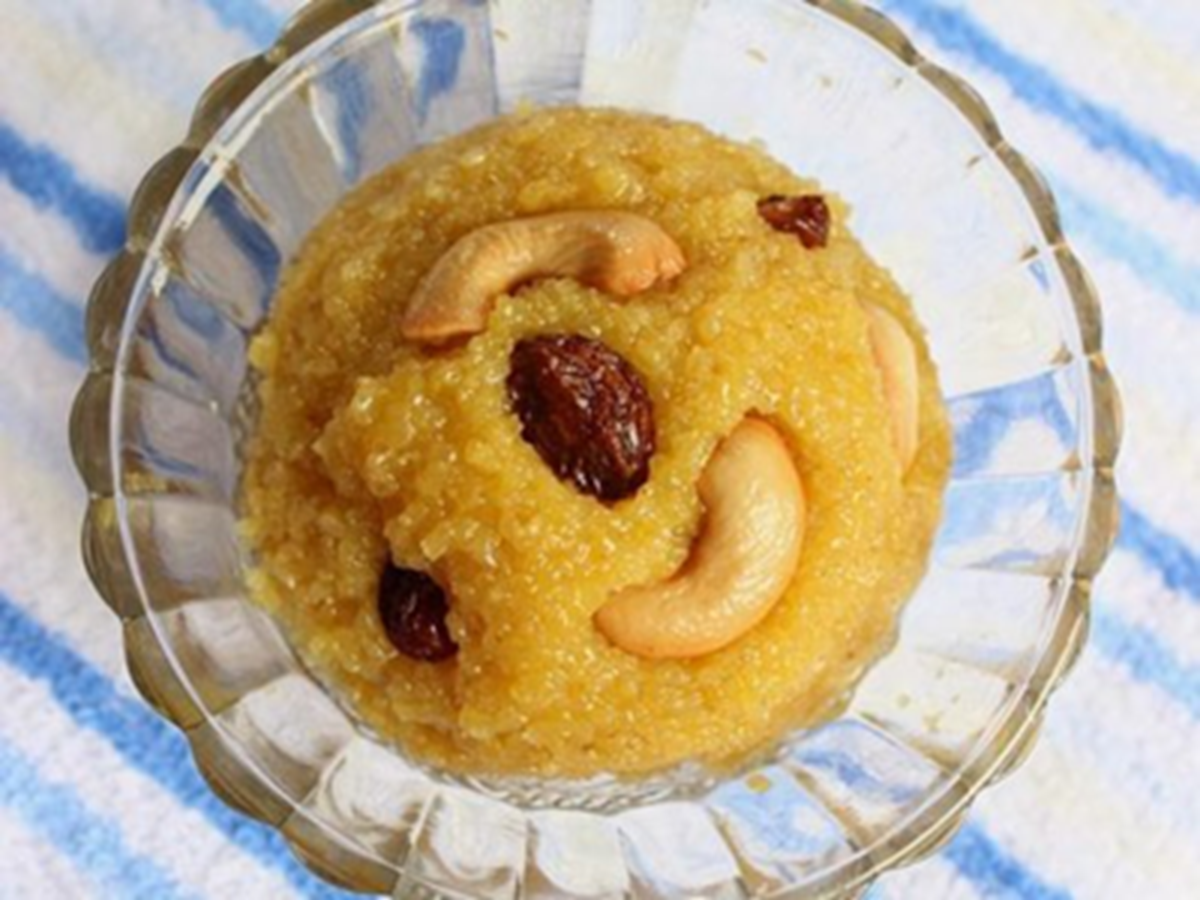
No need to throw away overripe mangoes
The best part of this recipe is that it allows you to use mangoes that may not look very appealing on the outside but are sweet and good on the inside. However, avoid using mangoes that are rotten or have spoiled sections. This way, you can use up the last of the season's mangoes to prepare a simple, aromatic dessert right at home.