
LIFESTYLE
Lift: A metal box or a signal killer? Learn why your mobile network goes dead as soon as you enter an elevator..
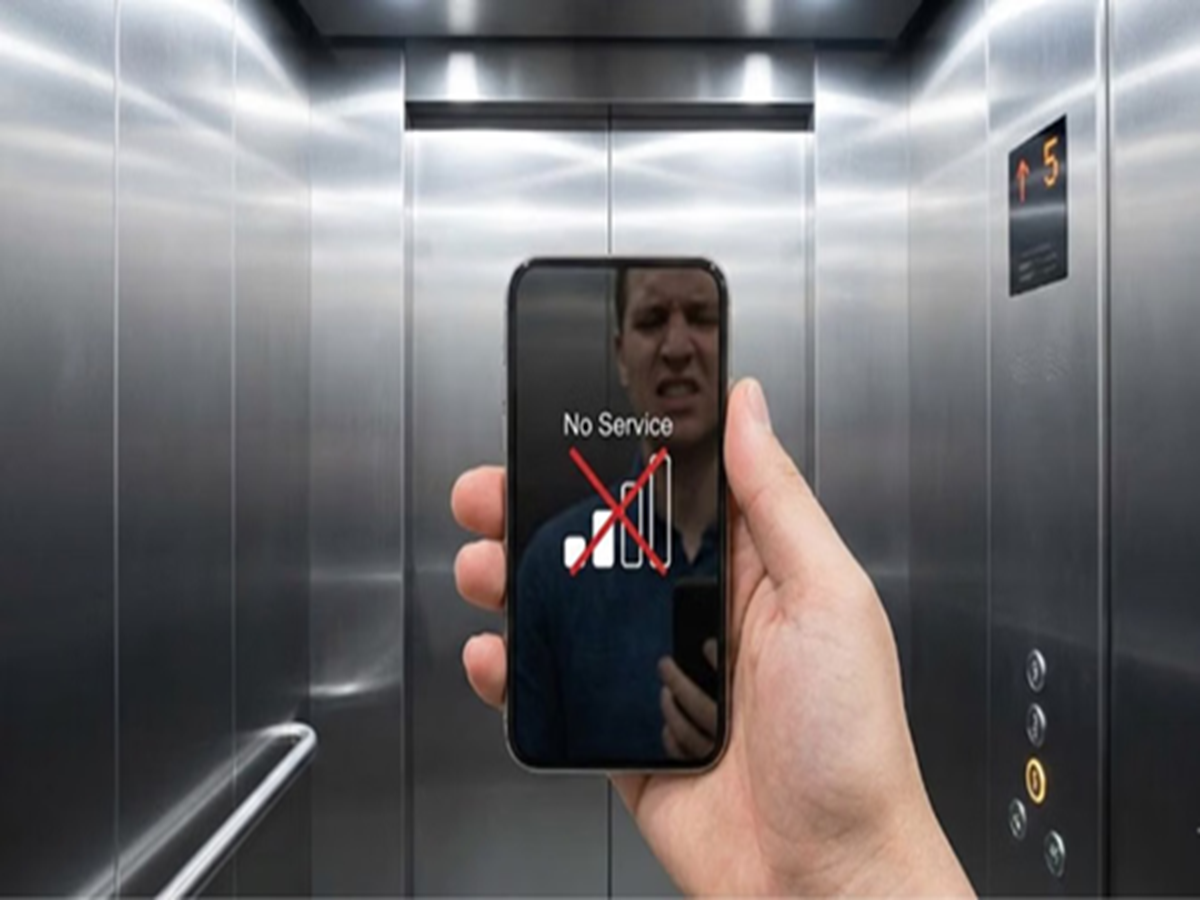
Today, our smartphones and telecom networks have become extremely advanced. We enjoy high-speed internet and excellent connectivity, but the moment we step inside an elevator, our phone behaves like a lifeless container. The question is: when signals are present everywhere in the air, what happens inside an elevator that causes them to die?

Why do signals disappear inside an elevator?
Mobile signals are actually electromagnetic radio waves. The elevator's construction material plays a major role in blocking them:
Metal shield: The elevator cabin is made of multiple layers of stainless steel. Metal is a repellent of electricity and radio waves; it either absorbs or reflects the signals.
Concrete and brick walls: The shaft (pit) in which the elevator operates is made of heavy concrete and bricks. The same material that can block rain and snow also effectively blocks radio waves.
Layers of decoration: Tiles, laminates, carpets, and wallpaper installed inside elevators act as an additional layer of interference for signals.
Can a network booster work?
Many people think that installing a network booster in an elevator will do the trick. However, the answer isn't so straightforward. Providing signal coverage in an elevator shaft is very difficult. If a building has multiple elevators or if the elevator is made of glass and is located on the exterior of the building, boosters may work to some extent. Overall, it depends on the quality of the booster and the design of the shaft.
What to do if you lose the network in your elevator?
There's no need to panic if you lose signal in your elevator. The network will return once you exit, and you can use the internet or make calls.
If you're unfortunately stuck in an elevator and your mobile phone isn't working, use the elevator's intercom or emergency call button. Most modern elevators have this feature.
PC Social Media