LIFESTYLE
Holashtak 2026: These 8 "dangerous" days begin before Holi! Learn the dos and don'ts of Holashtak..

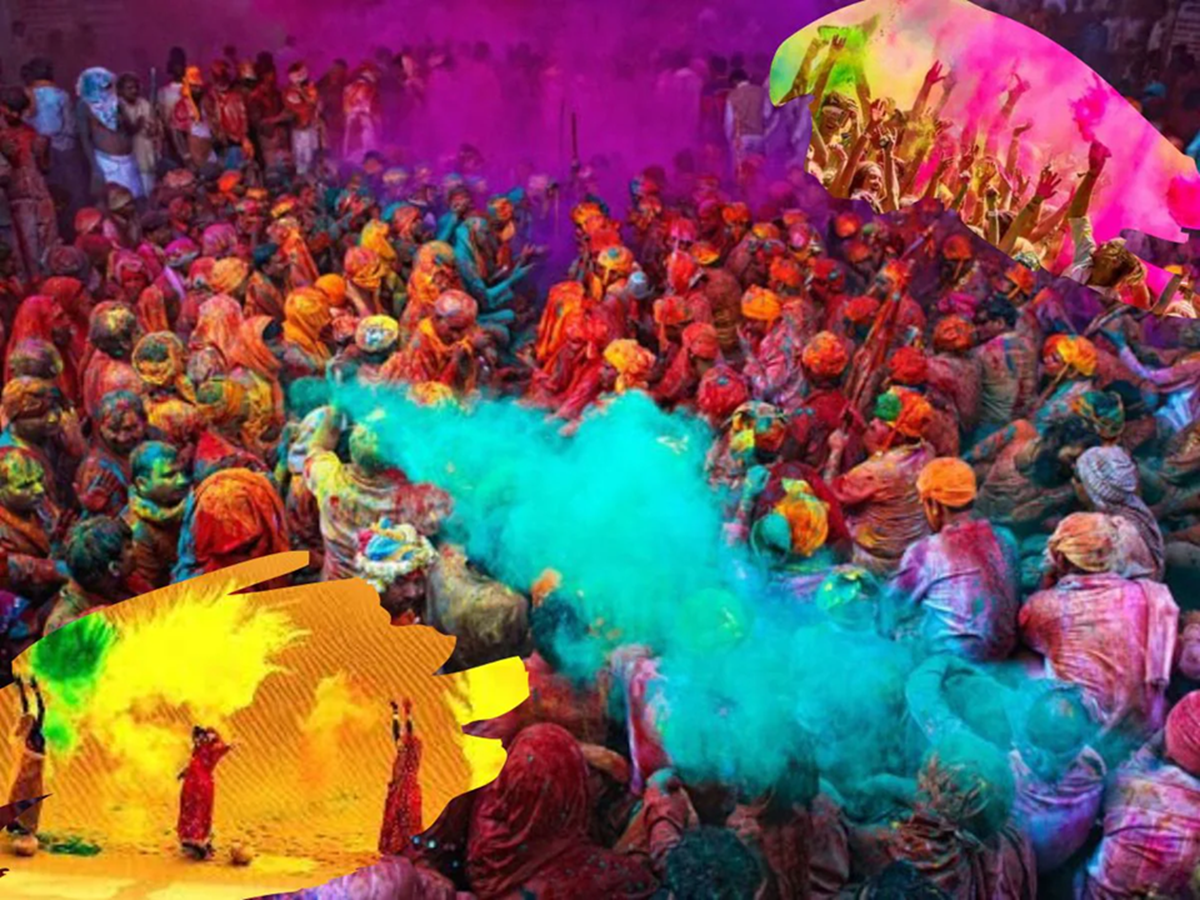
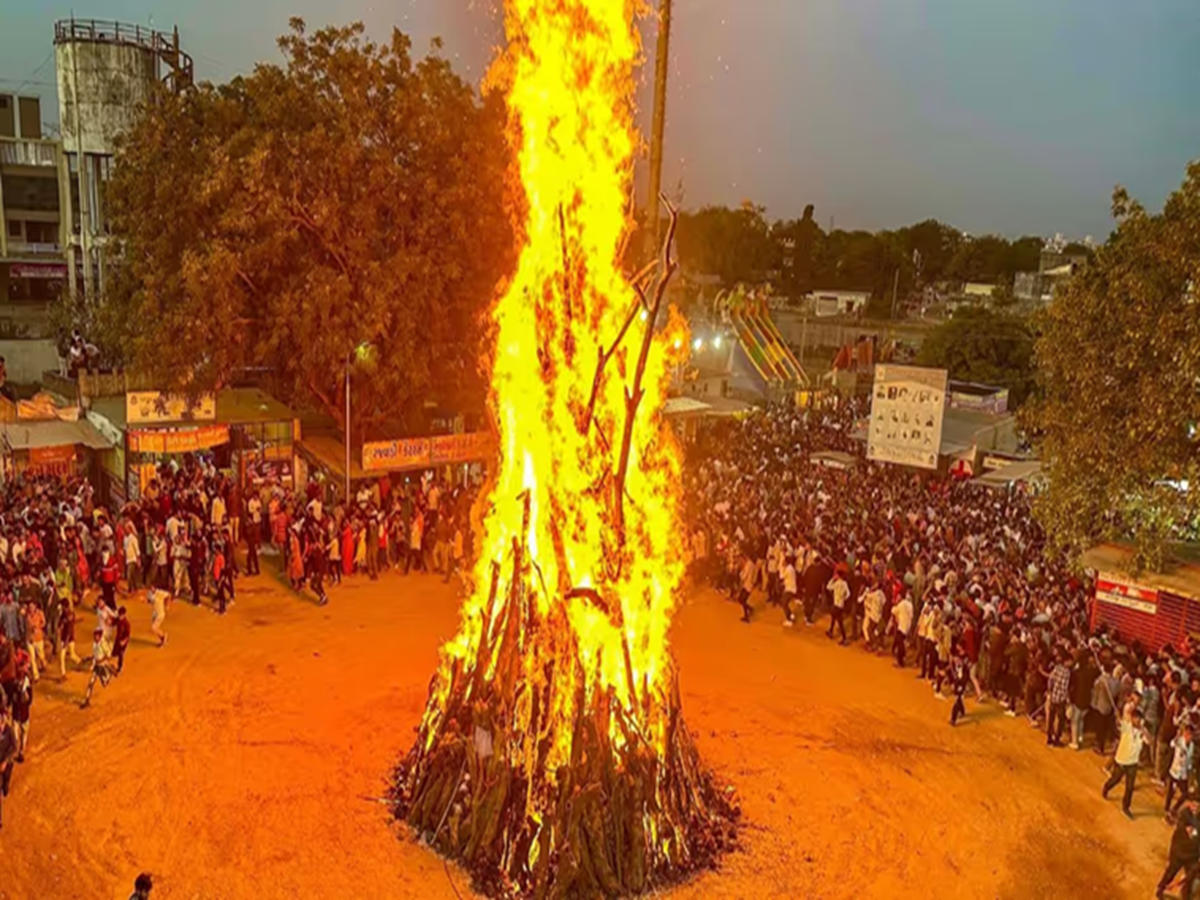
Holashtak 2026 Date: The very mention of Holi evokes colors, gulal (coloured powder), and fun. People wait for this festival all year. But did you know that exactly eight days before Holi, a special period begins, called Holashtak? It is believed that no major auspicious work should be undertaken during these eight days. According to religious traditions, Holashtak begins on the Ashtami (eighth day) of the Shukla Paksha (bright fortnight) of the month of Phalgun (Falgun) and continues until Holika Dahan (burning of the moon). During this period, marriages, housewarming ceremonies, naming ceremonies, tonsure ceremonies, or starting a new business are considered inauspicious.
When does Holashtak begin?
According to the Vedic calendar, this year, the Falgun Shukla Ashtami date will begin at 7:01 am on February 24th and will last until 4:52 pm on February 25th. This means that Holashtak will begin on February 24th. This period will continue until Holika Dahan and end on the full moon day.
Why are auspicious tasks postponed?
Ujjain's Acharya Anand Bhardwaj explains that Holashtak is a time for self-reflection and meditation. According to religious beliefs, the planetary influences are considered to be somewhat intense during this time. Therefore, it is advised to avoid auspicious events. It is said that starting any major project during this time may face obstacles or may not yield the desired results. This is why people avoid weddings, housewarming ceremonies, or starting a new business.
Stay away from these activities.
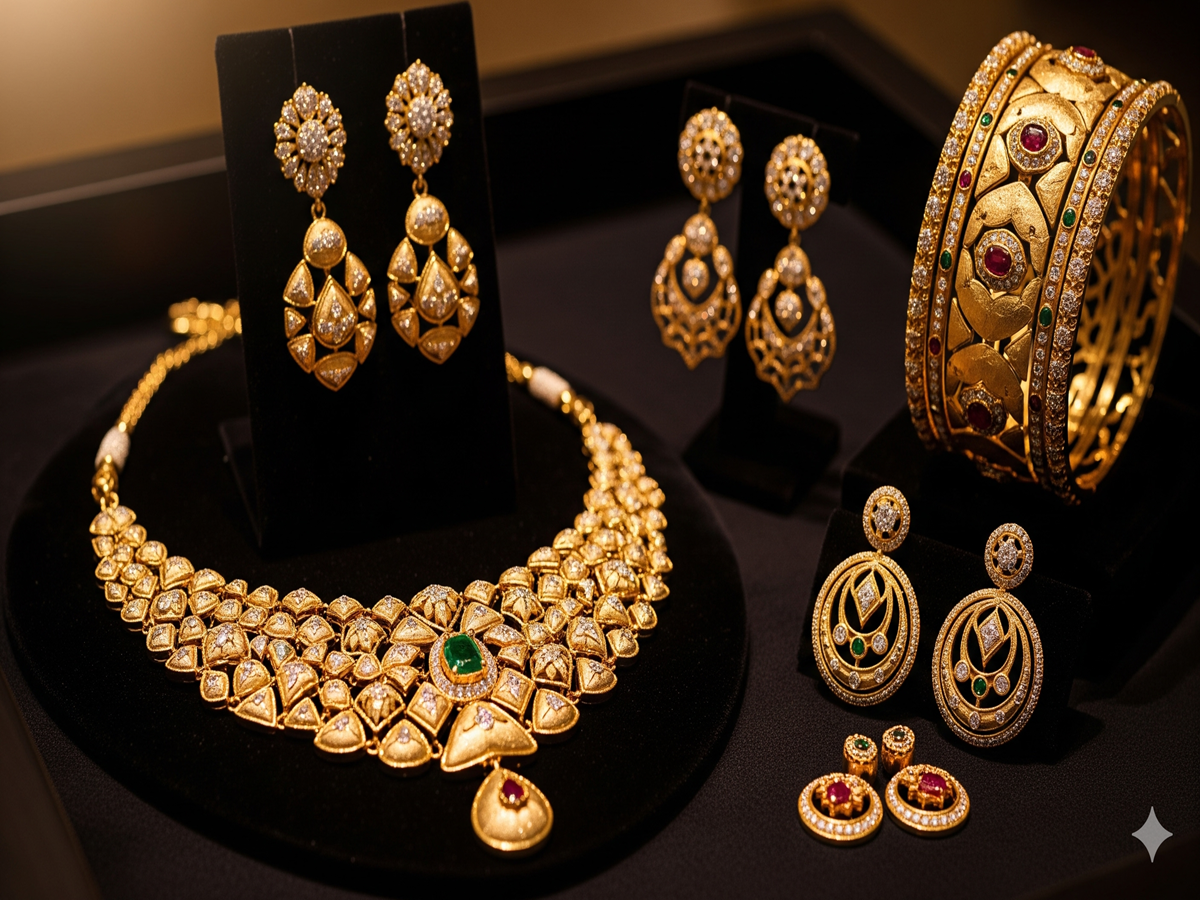
During Holashtak, rituals like marriage, tonsure, and naming ceremonies are not performed. Building a new house or entering a new house is also postponed. Buying gold, silver, vehicles, or any other major purchase is also not done during this time. Starting a new business or new work should also be avoided, as it is believed that this may create obstacles.
What to do during these eight days?
Holashtak is considered a good time for worship, chanting, meditation, and positive thinking. Devotion to God, charity, and self-reflection bring mental peace. Overall, these eight days are considered to be of restraint and meditation, so that new energy and happiness come into life with the colors of Holi.
PC Social Media