FASHION
Hair Care Tips: Does your scalp remain oily even after washing your hair? Don't ignore these reasons..
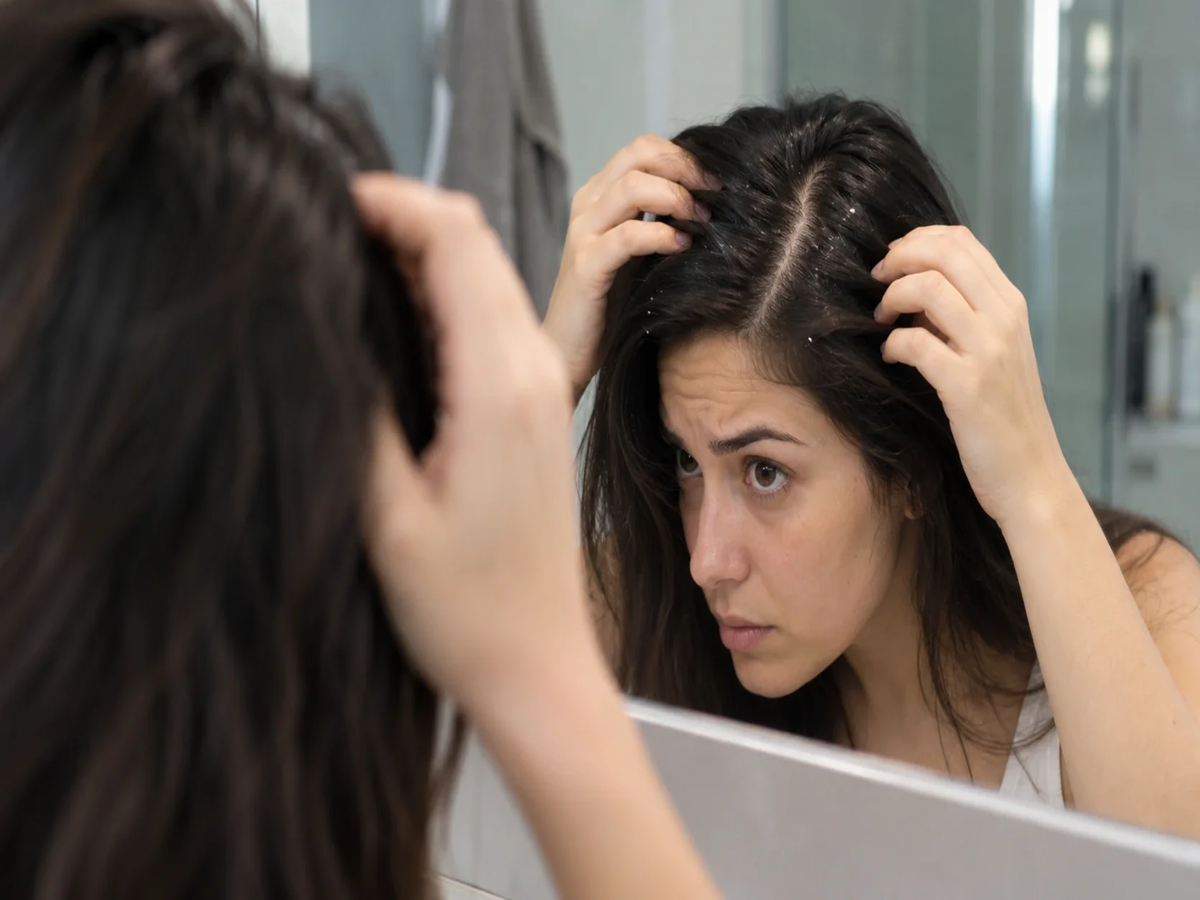
Hair Wash Mistakes: Does your scalp start looking oily and greasy again just a few hours after washing your hair? If so, you are not alone. An oily scalp is a common haircare concern that people often ask about. Many believe that frequent shampooing keeps the scalp cleaner and less oily, but that isn't always the case.

Sebum—the natural oil present on the scalp—helps moisturize the hair and skin. However, excessive sebum production can make hair feel greasy quickly.
There are several reasons why a scalp might become oily quickly. These include genetic predisposition, hormonal changes, weather conditions, excessive sweating, frequently touching your hair, and using the wrong haircare products. Over-shampooing or scrubbing the scalp too vigorously can also lead to irritation and dryness.
Therefore, simply switching shampoos isn't the only solution for an oily scalp. Establishing the right haircare routine and understanding your scalp's specific needs is far more important.
1. Excessive Sebum Production
The oil glands in the scalp naturally produce sebum, which serves to protect and moisturize the skin and hair. In some people, these glands may be overactive, causing the scalp to look oily soon after washing.
2. Frequently Touching Your Hair
Do you constantly touch your hair throughout the day? Dirt and oil from your hands can transfer to your hair, making even freshly washed hair look greasy quickly. It is best to avoid touching your hair unnecessarily.
3. Wrong Haircare Products
Not every shampoo or conditioner is suitable for everyone's scalp. Using excessively heavy or oil-based products can lead to product buildup on the hair. It is best to choose products suited to your hair and scalp type; if conditioner is not rinsed out thoroughly, residue can remain on the scalp, making the hair feel heavy, sticky, or prone to getting dirty quickly.
4. Not rinsing shampoo thoroughly
If shampoo or conditioner is not rinsed out properly, residue may remain on the scalp. This can make the hair appear heavy, sticky, or dirty. It is essential to rinse the product out completely with water while washing your hair.
5. Excessive sweating and hot weather
Heat and heavy sweating can cause the scalp to become oily more quickly. Changes in scalp conditions following a workout or heavy sweating can affect sebum production. It is also important to consider factors like adolescence and menstrual cycle-related changes.
6. Hormonal changes
Hormonal fluctuations can affect sebum production. The scalp may feel oilier than usual during adolescence, menstrual cycles, or other hormonal conditions.
7. Over-shampooing can also be a problem
Upon noticing an oily scalp, some people start shampooing daily or multiple times a day. However, excessive cleansing can lead to scalp dryness or irritation. The frequency of washing your hair should depend on your scalp type, hair type, and lifestyle.
What to do for an oily scalp?
Choose a mild shampoo suitable for your scalp type.
Do not scrub the scalp too vigorously when applying shampoo.
Apply conditioner primarily to the lengths and ends of your hair.
Avoid using excessive amounts of hair products. Keep your pillowcase and hairbrush clean.
Avoid touching your hair frequently.
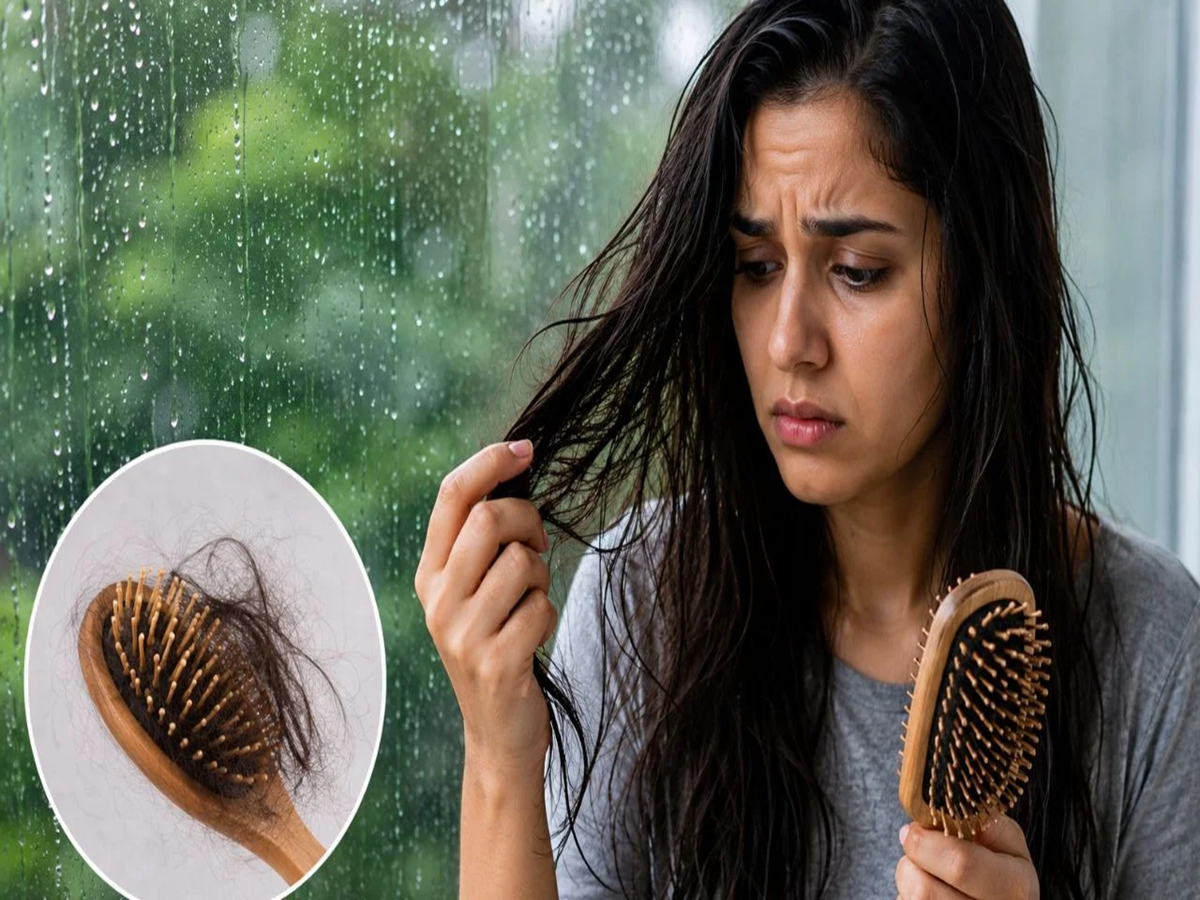
Ensure you clean your scalp if you sweat heavily.
If your scalp remains consistently oily and is accompanied by itching, redness, excessive dandruff, a burning sensation, or abnormal hair loss, it is best to consult a dermatologist.