LIFESTYLE
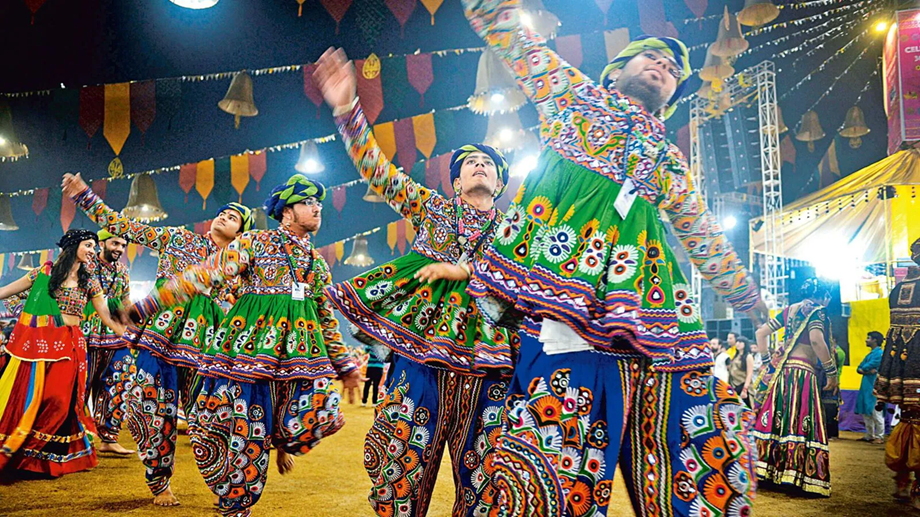
Garba-Dandiya: You must have done Garba-Dandiya a lot, but do you know the difference between the two..
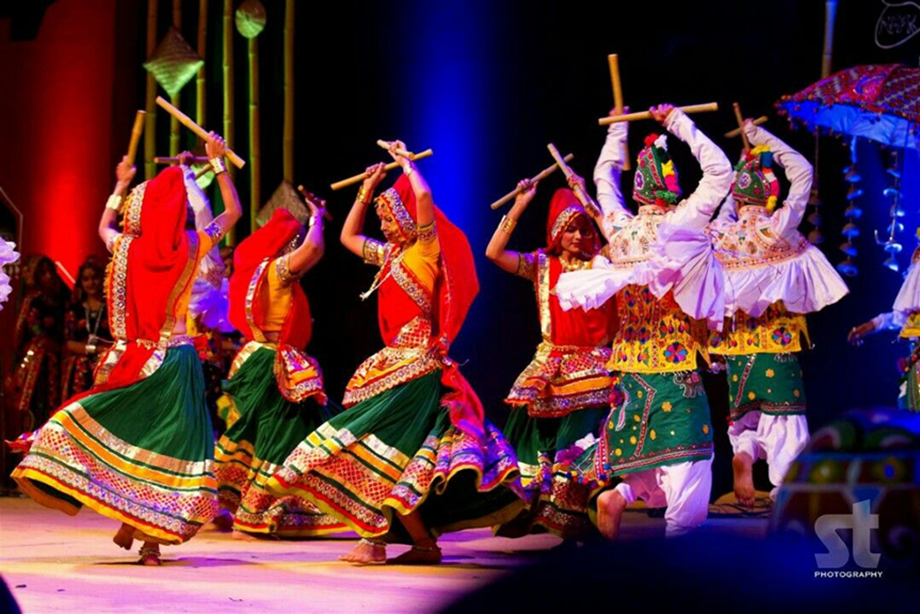
Navratri is being celebrated with great enthusiasm across the country. It is one of the major festivals of Hinduism. During this period, nine forms of Goddess Durga are worshipped for nine days. People also observe fasts during this period. This festival is celebrated with great enthusiasm throughout the country, especially in Gujarat, where it is celebrated with the Garang dance, music, and devotion.
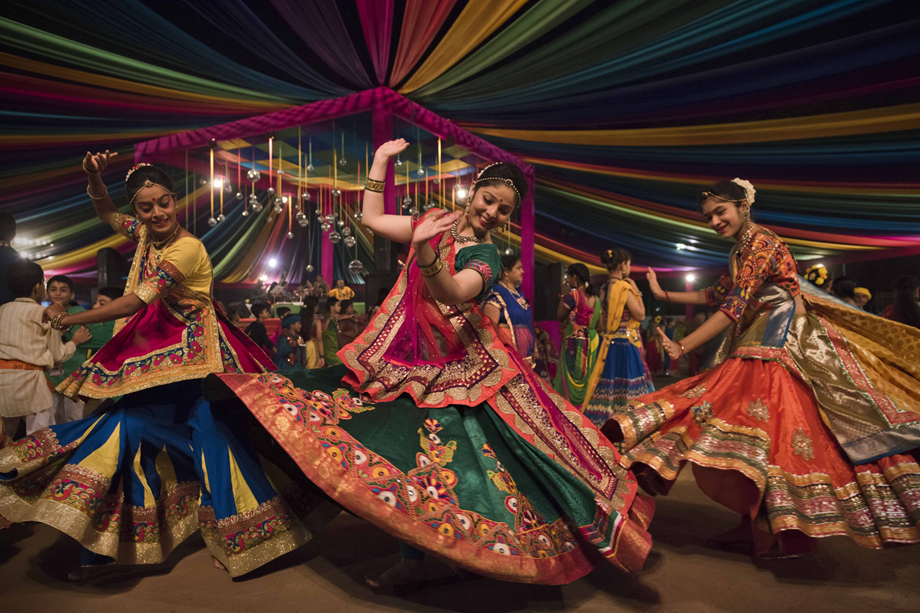
The most popular dances performed during this period include Garba and Dandiya Raas. These dances are popular not only in Gujarat but throughout the country. Garba and Dandiya are performed only during Navratri, which is why many people consider them to be the same. However, they are quite different from each other. In this article, we will explain the differences between the two. Let's learn how Garba and Dandiya are different from each other.
What is Dandiya Raas?
Dandiya Raas, often simply called Dandiya, is a popular dance performed during Navratri. It is also called the "sword dance" of Gujarat because the sticks used in the dance represent swords.
To perform Dandiya, each person takes two decorated sticks, or dandiyas, and dances in rhythm with their partner.
Dandiya dance is much faster and more energetic than Garba.
Dandiya is often performed to celebrate victory and joy.
What is Garba?
Garba is a traditional Gujarati folk dance performed by forming a circle around an earthen lamp (Garbo) or an idol of Goddess Durga. The word Garba comes from the womb, which symbolizes life and creation.
Garba is performed with clapping, graceful hand posture, and rhythmic foot movements.
Its songs are usually devotional, praising Goddess Amba or Durga.
During Garba, women wear Chaniya Choli (a colorful skirt and blouse), and men wear Kediyu (a short kurta).
Garba and Dandiya - Key Differences
Both dances are native to Gujarat and are performed during Navratri. Many people mistake them for the same, but there are several differences between the two. Some of the key differences are:
Props: Garba is performed without props, while Dandiya requires two sticks.
Speed: The rhythm and beat of Garba are usually medium or slow, while Dandiya, in contrast, is faster and more energetic.
Significance: Garba symbolizes devotion and the cycle of life, while Dandiya depicts the battle between Goddess Durga and Mahishasura (good versus evil).
Timing: Garba is usually performed before midnight, while Dandiya is performed late at night.
History of Garba and Dandiya
Garba: The word "Garba" comes from the Sanskrit word for womb. This dance is typically performed in a circle around an earthen pot with a lamp inside. This is called Garbhadeep, which symbolizes the fetus growing in the womb and the continuous cycle of life. Thus, Garba is associated with the cycle of life and the power of Goddess Durga.
Dandiya: Dandiya is considered to be associated with both Goddess Durga and Lord Krishna. According to mythology, Dandiya is performed to commemorate the battle between Goddess Durga and Mahishasura. The colorful sticks, or dandiya, used in this dance represent the Goddess's swords, symbolizing the victory of good over evil.
Some believe it is linked to the divine tales of Lord Krishna. It likely originated from the Rasa Lila, a dance performed by Krishna and his female disciples. It is also called Raas Lila. The name of this dance comes from the dandiya sticks used in the dance.
PC Social Media