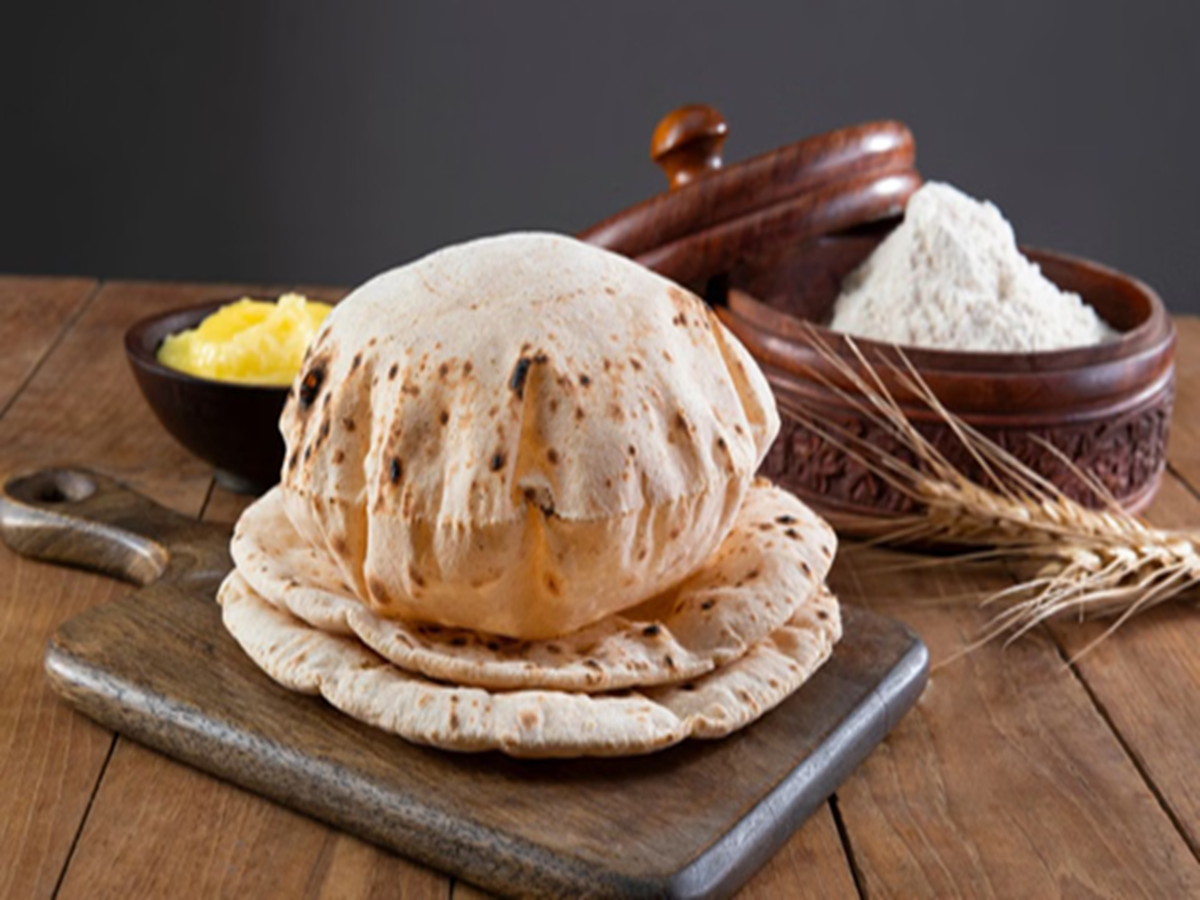
The Perfect Dough Kneading Technique: Roti is an integral part of the Indian kitchen. Making a perfectly round and puffed-up roti is nothing short of an art form; however, for those who are just beginning to learn how to cook, this task often proves to be a significant challenge. A common complaint is that the roti either turns out tough or loses its shape. According to experts, the secret to soft and round rotis lies in the very process of kneading the dough.

Using a pinch of salt and lukewarm water while kneading helps create a dough that is both more pliable and softer. After kneading, cover the dough with a damp cloth and let it rest for at least 15–20 minutes; this is known as the 'resting period.'
This process activates the gluten within the dough, ensuring that the dough ball does not tear while rolling and that the rolling pin glides smoothly. Furthermore, if the heat of the griddle (tava) is regulated correctly and you flip the roti at just the right moment, even a simple roti will turn out perfectly round and beautifully puffed up.
Easy Techniques for Rolling a Round Roti
To make a round roti, first ensure that the dough ball (loi) is perfectly smooth.
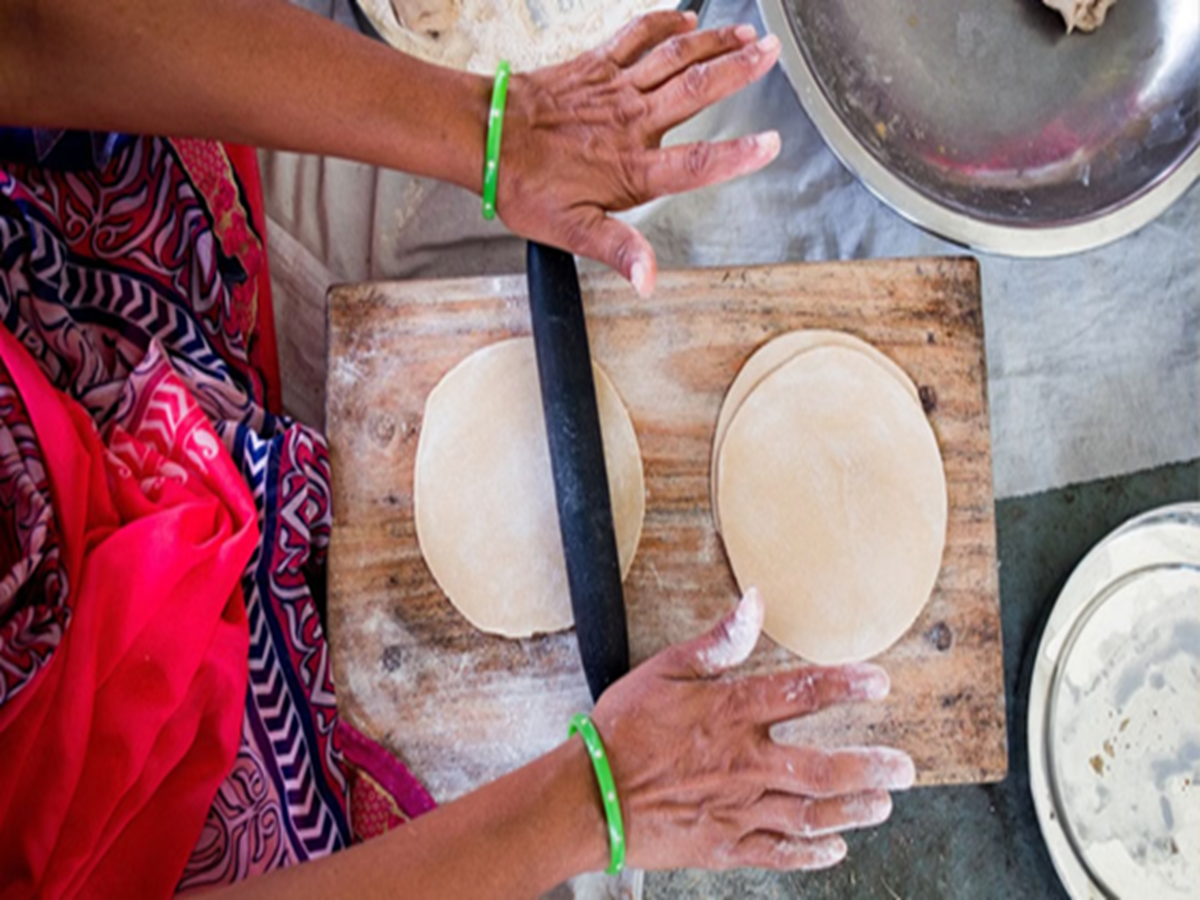
While rolling, do not apply excessive pressure with the rolling pin; instead, use a light touch and roll outwards towards the edges so that the roti begins to rotate on its own.
If the roti begins to stick, apply a very small amount of 'palathan' (dry flour). Be careful, as using too much dry flour can result in a roti that is tough and prone to burning.
The Correct Way to Roast and Balancing the Heat
Before placing the roti on the griddle (tava), ensure that the surface is at least moderately hot; placing a roti on a cold griddle will cause it to turn hard.
Flip the roti only when small bubbles begin to appear on its upper surface. Remember to cook the first side only partially (approximately 20%).
After flipping, cook the second side thoroughly (approximately 70%).
As soon as the second side is cooked, flip it once more and puff it up directly over the open flame, or by using a cloth to apply gentle pressure. This ensures that the rotis puff up beautifully.
Tips for Keeping Rotis Soft for a Long Time
Rotis often turn hard after being stored in a container; to prevent this, always wrap them in a muslin cloth before placing them in a casserole.
If you want the rotis to remain soft until the next day, you can use a little milk or cream instead of water while kneading the dough.
Stacking the rotis one on top of another helps trap their residual steam, preventing them from drying out and keeping them fresh.
Practice and Patience Are Essential
Ultimately, making a perfect roti is not merely a matter of technique, but also the result of practice. It is quite normal for the shape to be imperfect during the initial stages; however, once you master the right balance between the moisture in the dough and the heat of the griddle, you will soon become an expert at making round, fluffy rotis. Remember, a soft roti is not only delicious but is also considered equally easy to digest and beneficial for your health.
PC Social Media