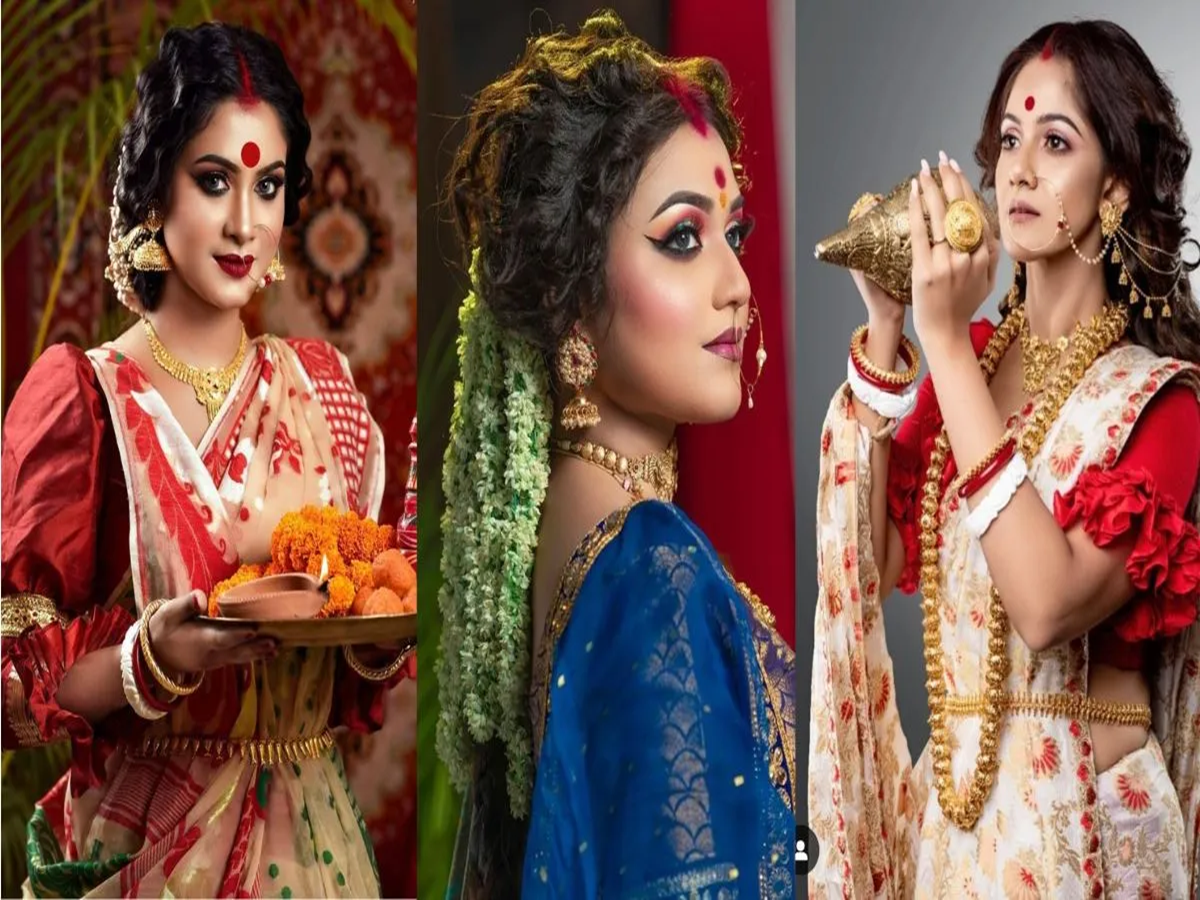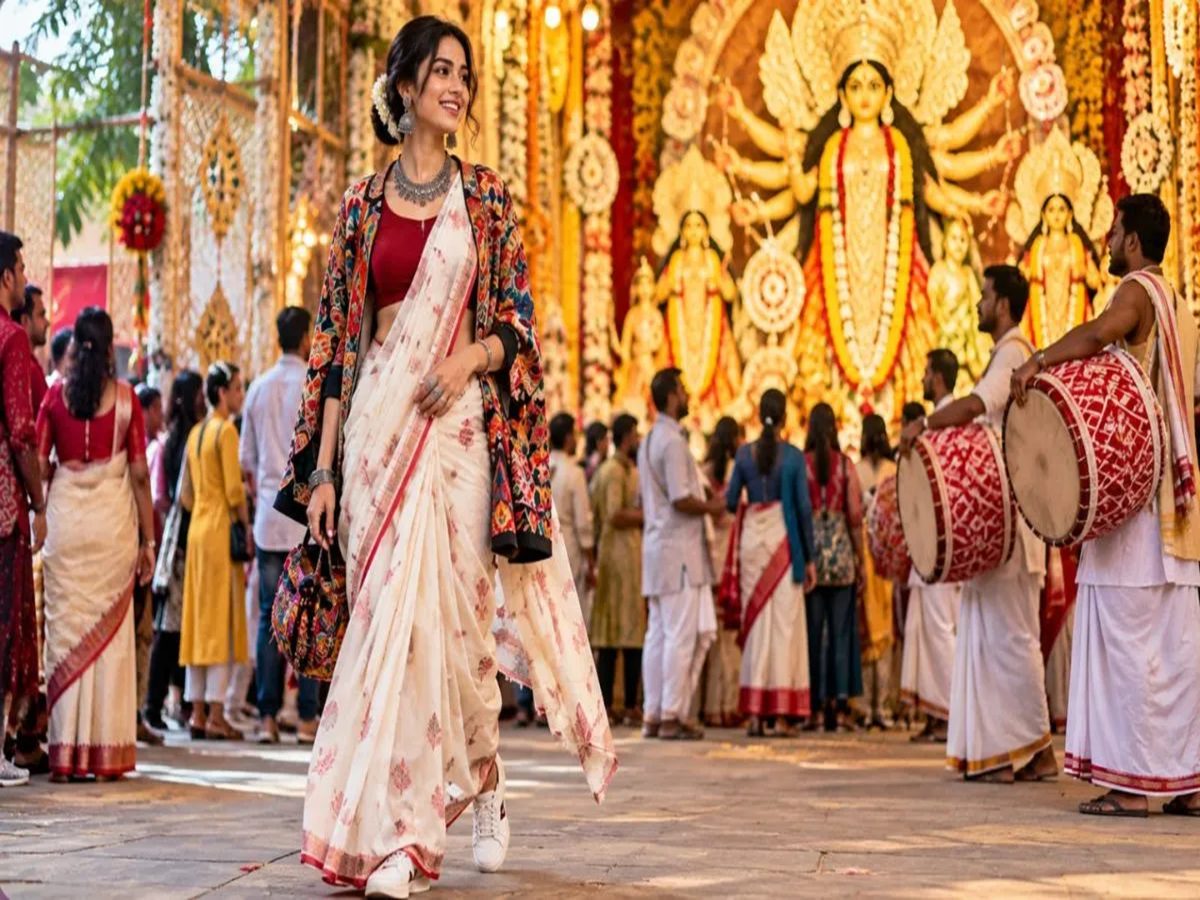

Solah Shringar meaning and list: Everyone desires to look beautiful. The simple principle for this is to wear makeup and adorn themselves. Especially for women, most women who go to work or college wear a little bit of makeup as part of their daily routine. There's nothing wrong with dressing up. It makes one feel good, creates a sense of well-being, and boosts confidence. As for women's adornment, it has a long history.
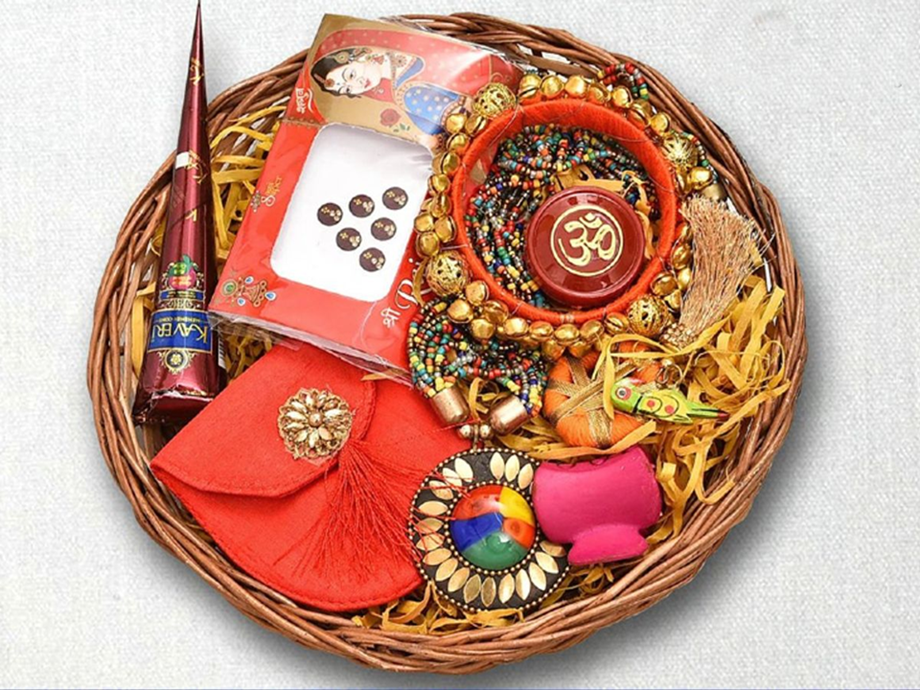
Hindu texts and poetry describe the sixteen adornments for women. Women perform the sixteen adornments on auspicious occasions. Specifically, it represents the entire ritual of a bride's adornment. The sixteen adornments include a total of 16 items, each of which has a specific significance and meaning. These sixteen steps are considered symbols of prosperity, love, protection, fertility, and happiness. Let's explore the meanings of all 16 items used in Solah Shringar.
What do the 16 items included in the sixteen adornments mean?
– According to a report published in the Indian Express, in ancient times, queens, empresses, and dancers used to wear sixteen adornments for all festivals, weddings, temple visits, and large functions. Even today, married women are only able to wear sixteen adornments on auspicious occasions, such as festivals and weddings.
Sindoor – During a wooden wedding, the groom applies orange or red sindoor to the bride's forehead, marking her as married. This symbolizes her marriage and her husband's long life.
Bindi – A dainty bindi on the forehead enhances one's beauty. It is said that bindis are worn to enhance concentration and protect the husband from negative energy.
Kajal – Applying kajal to the eyes not only enhances the beauty of the eyes but also helps ward off the evil eye.
Gajra - Some women prefer to wear a gajra even on normal days. It enhances the beauty of their hair and symbolizes purity and fragrance.
Maang Tika - The maang tikka, worn on the part of the hair, is worn to enhance the beauty of the forehead. It also symbolizes increased intuition.
Mangalsutra - A very important piece of jewelry worn by a married woman, the mangalsutra signifies not only marriage but also unity.
Nast (Nose Ring) - A nose ring or small top is associated with elegance and tradition.
Jhumkas - Earrings, worn in the ears, are a favorite among women. They are worn daily. They symbolize beauty and femininity.
Necklace - A heavy necklace, typically worn by women at weddings, functions, and parties. It enhances the overall look and holds cultural significance.
Bajubandh - Traditional jewelry worn on the upper arm.
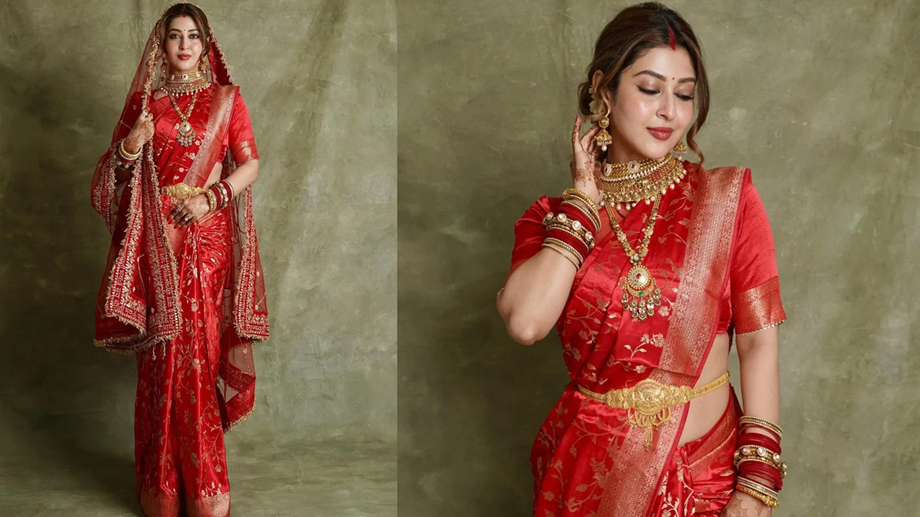
Bangles – Women love the tinkling sound of glass bangles. Every woman enjoys wearing colorful bangles. They symbolize marital bliss, prosperity, and joy.
Hathphool – This is also primarily worn during weddings. Some women also wear them at weddings, parties, functions, and festivals. This hand ornament symbolizes devotion and beauty.
Ring – A ring enhances the beauty of the hands. It can be worn every day. A ring symbolizes commitment.
Anklets – Women also have a great fondness for anklets. Many women enjoy wearing silver anklets in their daily routines. Their tinkling sound is captivating. The sound of anklets brings positive energy.
Bichhiya – A ring worn on the toes by married women is called Bichhiya. It symbolizes love and marital blessings.
Perfume (Fragrance): Perfume is applied last, after wearing 15 of the 16 adornments. It imparts sensuality and freshness.
PC Social Media