Food & recipe
Don't compromise your health in an attempt to save gas; make 'ready-to-eat' foods healthy using these methods..

Are you, too, frustrated by the shortage of LPG gas and considering increasing the quantity of ready-to-eat and instant food packets in your monthly grocery list? It is worth noting that while such quick-fix meals may help save fuel, an excessive reliance on them can put your health at risk.
We must understand that the high levels of preservatives, salt, and sugar present in these foods can adversely affect the digestive system. Excessive consumption of packaged foods carries an increased risk of developing conditions such as obesity, fatty liver, heart disease, Type 2 diabetes, and even cancer.
Such foods typically contain relatively low levels of nutrients. However, by exercising a little mindfulness—both before purchasing them and while preparing them at home—you can significantly mitigate the potential harm associated with them.
How to Enhance the Nutritional Quality of Your Meals
Instead of simply consuming packaged foods straight from the market, you can employ various methods to make your meals both delicious and nutritious. For instance, when preparing noodles or pasta, try incorporating frozen or microwave-ready vegetables—such as broccoli, peas, or carrots—that you have purchased from the market.
Similarly, you can add boiled eggs, paneer (Indian cottage cheese), or cubes of tofu to these dishes. These additions help you meet your daily protein requirements. Furthermore, exercise caution when using the seasoning packets included with these meals. For example, the "taste-makers" provided in these packets often contain high levels of salt; therefore, consider using only a reduced amount—perhaps half—of the packet. To enhance both flavor and nutritional value, you can add fresh herbs, lemon juice, or freshly chopped coriander.
Freezer Meals: A Convenient Option for Everyone
Rather than purchasing pre-packaged frozen meals from the market, consider preparing your own freezer-friendly meals at home. This allows you to temporarily free yourself from the daily hassle of cooking. However, always keep in mind that this serves merely as a short-term solution for saving fuel and time. Exercise the necessary precautions while preparing these items; otherwise, they could prove particularly harmful to individuals with compromised immunity, such as the elderly, children, pregnant women, or those who are unwell. Prepare a thickened *Dal Tadka* (tempered lentils) or a tomato-onion gravy base, then portion it into an ice tray or small containers and place them in the freezer. Additionally, chickpeas (*chhole*), kidney beans (*rajma*), or black-eyed peas (*lobia*) can be boiled—until the excess water has evaporated—and then frozen in zip-lock bags.
Homemade Noodle Soup for Children
Noodles are rapidly becoming an indispensable staple in almost every household kitchen. The recent shortage of LPG (cooking gas) has led to a surge in demand for such convenience products. If you prefer, you can easily prepare these noodle dishes right at home. They can be stored in a glass jar for later use. To do this, take a glass jar and add a small amount of soy sauce along with some ginger-garlic paste.
Next, add the boiled noodles on top. To make the dish more nutritious, you can opt for millet-based or whole wheat noodles. Finally, add some finely chopped vegetables and cottage cheese (*paneer*). You can serve this to children simply by pouring hot, boiling water over it, allowing it to be prepared and ready to eat in an instant. If you wish, you can also pack this along to take to the office.
Nutritious Instant Mixes
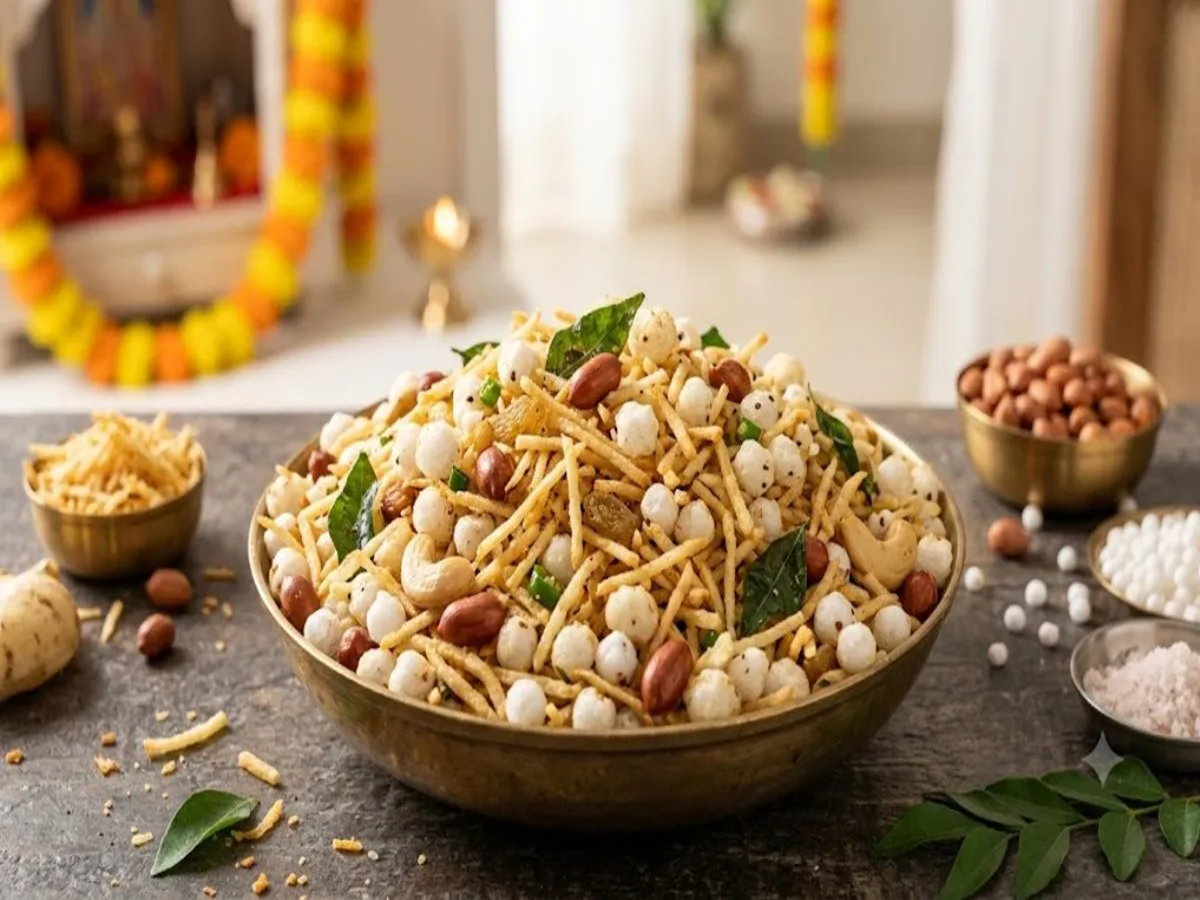
You can easily prepare homemade versions of the instant mixes typically bought from the market—such as soups, *Upma*, or *Sattu*. If stored in an airtight container, these mixes can remain fresh for 3 to 4 weeks. For instance, to prepare an instant *Upma* mix, roast semolina (*suji*) together with mustard seeds, curry leaves, peanuts, and dried vegetables; once roasted, let the mixture cool down before storing it.
When you are ready to eat, simply add hot water to the mix, cover it for five minutes, and enjoy your meal. Similarly, you can very easily prepare instant *Sattu* drinks. To do this, mix roasted gram flour (*sattu*) with cumin powder and black salt, and store the blend. This makes for an excellent protein-rich beverage; whenever you feel like having a drink, all you need to do is dissolve the mixture in water. The Smart Consumer and Health
In the current scenario, it is necessary to exercise a little extra caution when purchasing ready-to-eat food products from the market. Carefully read the nutrition labels printed on the packaging. Check for the quantities of sodium, saturated fats, and sugar listed therein. Aim to choose products with a high whole-grain content to ensure you receive adequate protein and fiber.
Ingredients on food packages are listed in descending order by weight. If whole grains, vegetables, or lean proteins appear as the first three ingredients, opt for that particular product. It is advisable to choose whole grains—such as millet—instead of refined flour (Maida). Similarly, many instant food products contain excessive amounts of salt; to avoid this, ensure that the sodium content in your ready-to-eat meals is low.
In many instances, sugar is listed under various aliases—such as corn syrup, sucrose, or dextrose. Pay close attention to the quantities of these ingredients as well; they, too, should be consumed in limited amounts. Likewise, one should avoid purchasing products containing trans fats or hydrogenated oils. Instead, try to select food options prepared with olive oil or avocado oil.
Key Points to Keep in Mind:
Check for the FSSAI logo and license number on the packaging.
Do not purchase a product if the container or pouch shows signs of leakage or if small ice crystals are visible inside.
If you intend to store food at home, use glass jars or BPA-free containers.
Before placing items in the freezer, attach a date label to them so you can consume them before they expire.
Turning the Challenge into an Opportunity
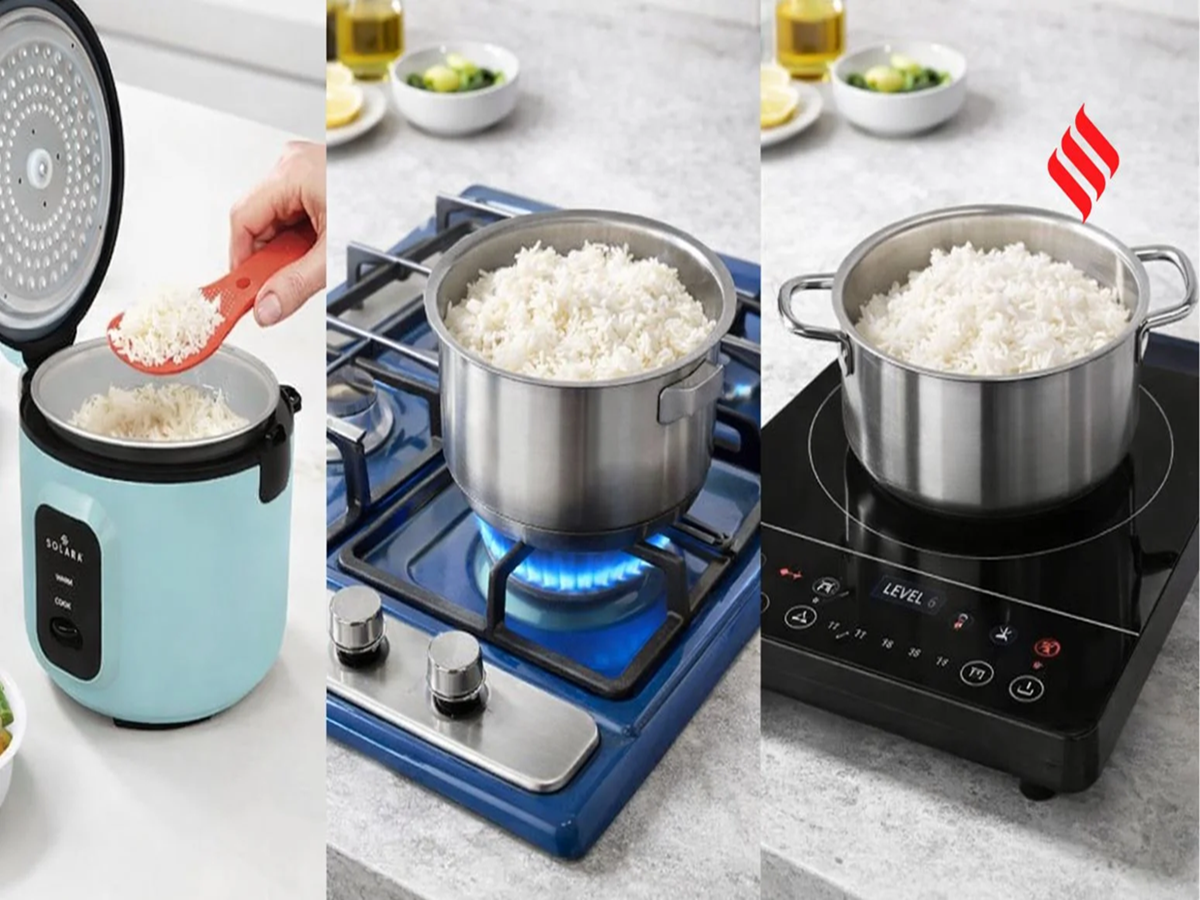
Dr. Rohini Patil, a nutritionist based in Mumbai, notes that it is indeed true that—in an effort to conserve fuel—people have begun relying on alternative cooking methods and the instant meals available in the market. However, with just a little mindfulness, you can quickly and easily prepare a nutritious meal—such as *Dal-Chawal* (lentils and rice)—using an induction cooktop.

It is essential to keep the carbohydrate content in your diet under control. It should constitute only 45 percent of your total food intake. Your plate should consist of 15 percent pulses, and 10–15 percent healthy fats—sources of which include almonds, walnuts, ghee, and olive oil.
You must also ensure that your diet includes 30 to 40 percent vegetables and fruits. If it does not, you can remedy this deficiency by consuming seasonal fruits. Given the scarcity of fuel, if you manage your diet in this manner, the challenges currently facing you will not appear nearly as daunting.
PC Social Media