LIFESTYLE
Could your kitchenware be making you sick? Make these changes today to avoid the dangers of microplastics..
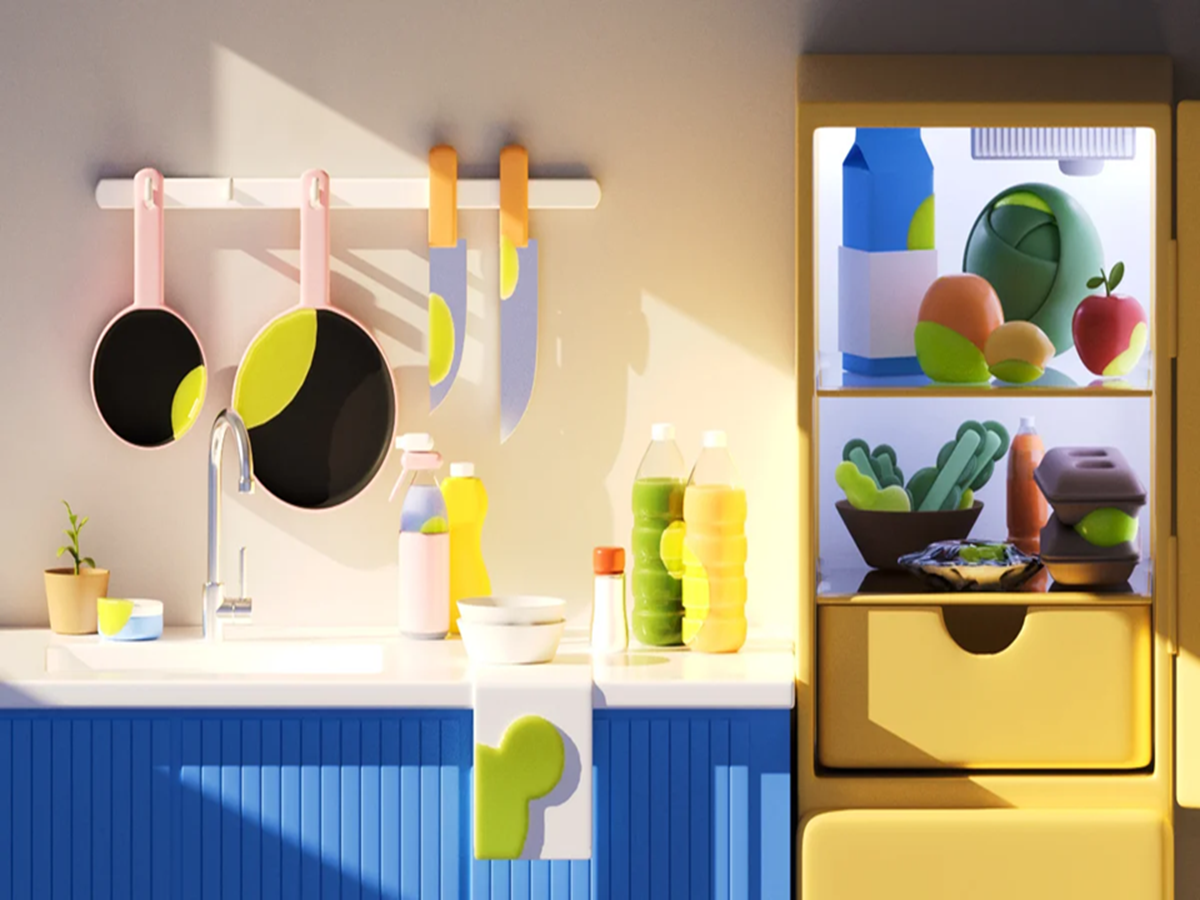
We always strive to ensure that the food we prepare for ourselves and our families is fresh and well-cooked, but is the cookware we use actually safe? We commonly use various plastic containers for cooking or storing food, yet these can introduce microplastics into our bodies.
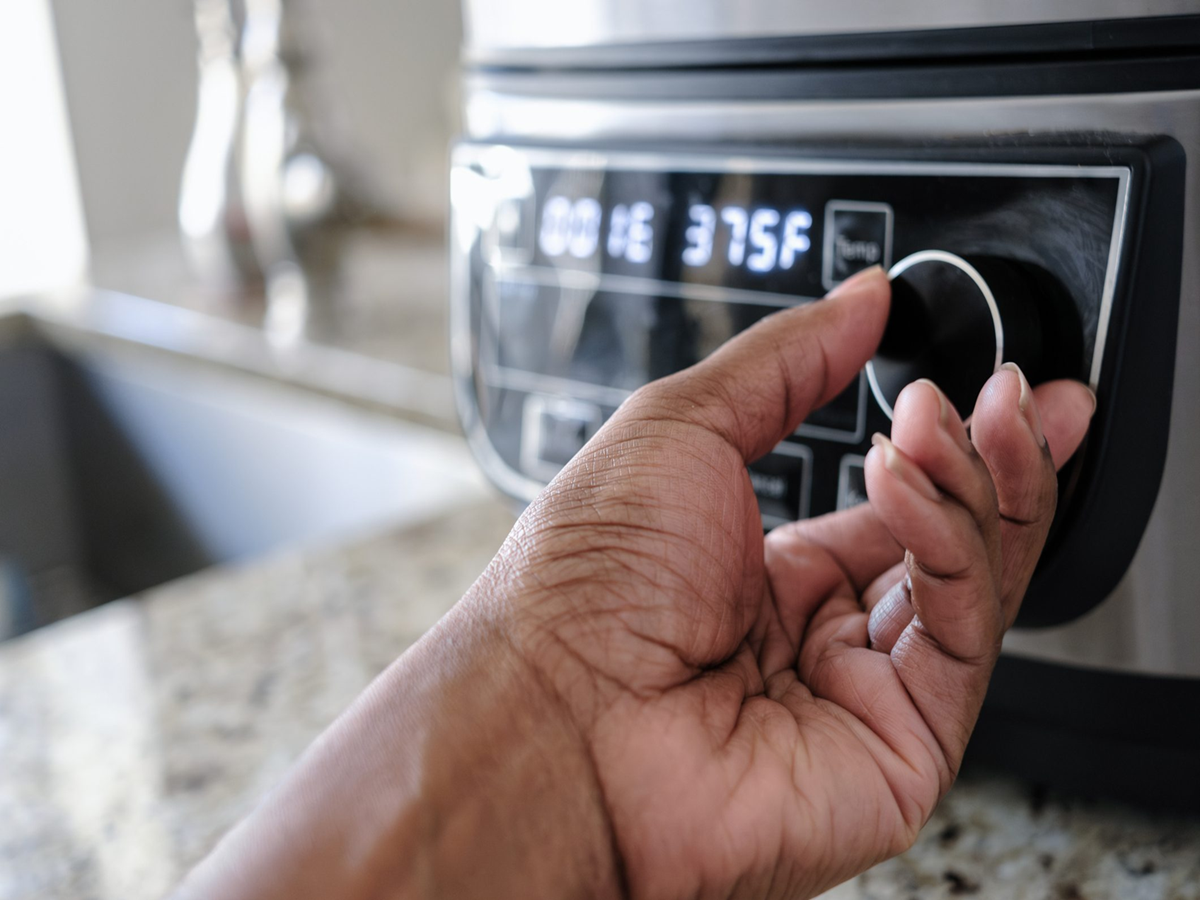
Indeed, tiny plastic particles—invisible to the naked eye—can leach into food stored in plastic containers or boxes. These microplastics can travel through the bloodstream to any part of the body, posing significant health risks. To avoid this, opt for cookware made of wood, glass, stainless steel, or cast iron for cooking and storage. Additionally, you can protect yourself and your family from the dangers of microplastics by keeping a few other precautions in mind.
**Buy dry lentils and beans instead of canned ones**
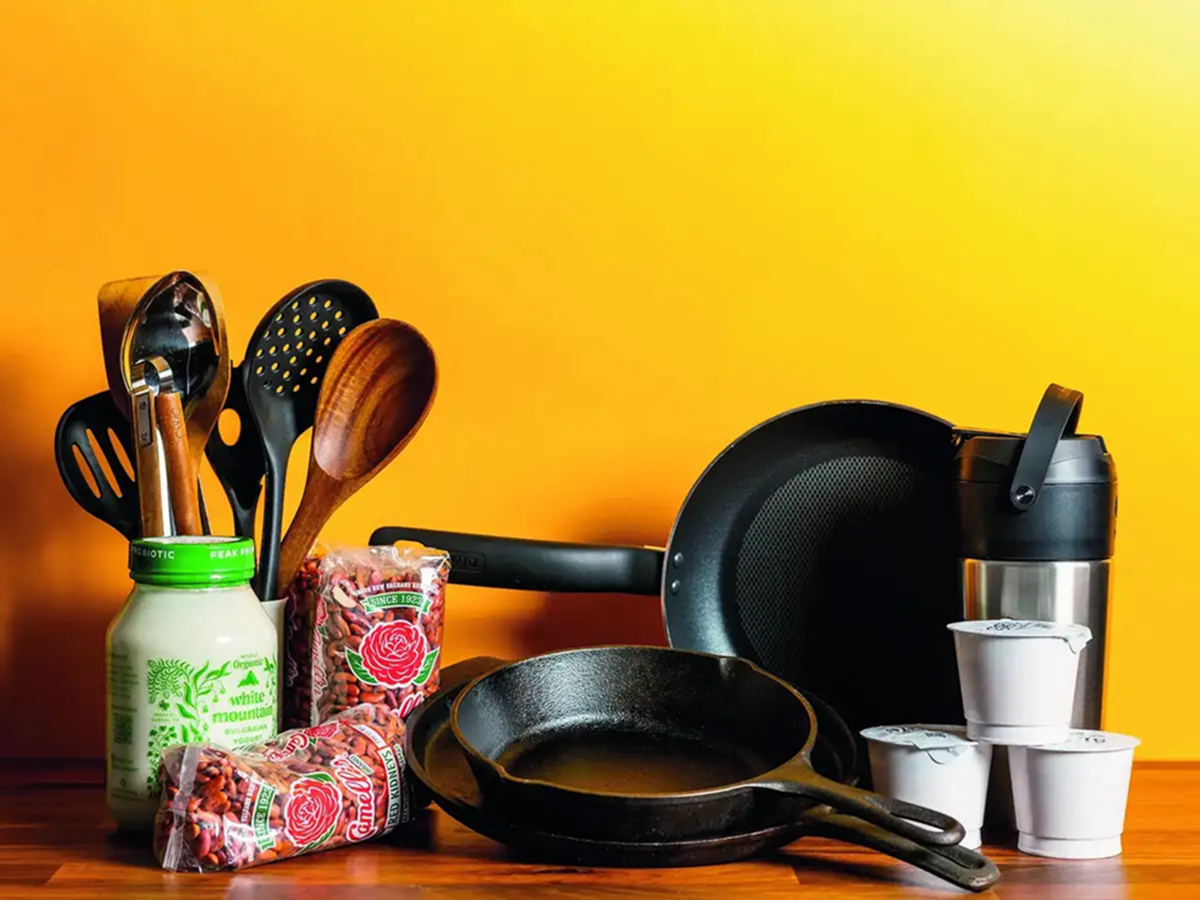
While buying canned beans and lentils may seem convenient, these cans are lined with a thin layer of plastic to prevent rusting. Chemicals from this lining can gradually leach into the contents and eventually enter your body. Instead of canned options, purchase dry, loose kidney beans (rajma), chickpeas (chana), and lentils. Soaking them overnight before cooking offers greater health benefits.
**Choose wooden or metal utensils over plastic**
Microplastics can contaminate your food when you place plastic spoons in hot water, pack hot food in plastic containers, or chop vegetables on plastic cutting boards. Therefore, replace plastic kitchenware with items made of stainless steel, cast iron, or brass. Similarly, use a wooden cutting board instead of a plastic one.
**Opt for stainless steel instead of plastic blender jars**
When blending food in a plastic blender, the rapid spiral motion creates pressure against the inner walls of the jar. This causes friction against the walls, leading to tiny plastic particles mixing into your food. Therefore, use a stainless steel blender cup instead of a plastic one.
Storing food in glass containers
Storing food in plastic containers leads to microplastics leaching into the food. This happens not only with hot food but also at room temperature. Hence, use glass containers for food storage; this will protect you from the microplastics that would otherwise end up in your daily meals.
PC Social Media